María José Sanz

María José Sanz

María José Sanz
Position

Scientific Director of the BC3 Basque Centre for Climate Change

An attribution study links climate change to the intensity of extreme fires in Spain and Portugal in August 2025

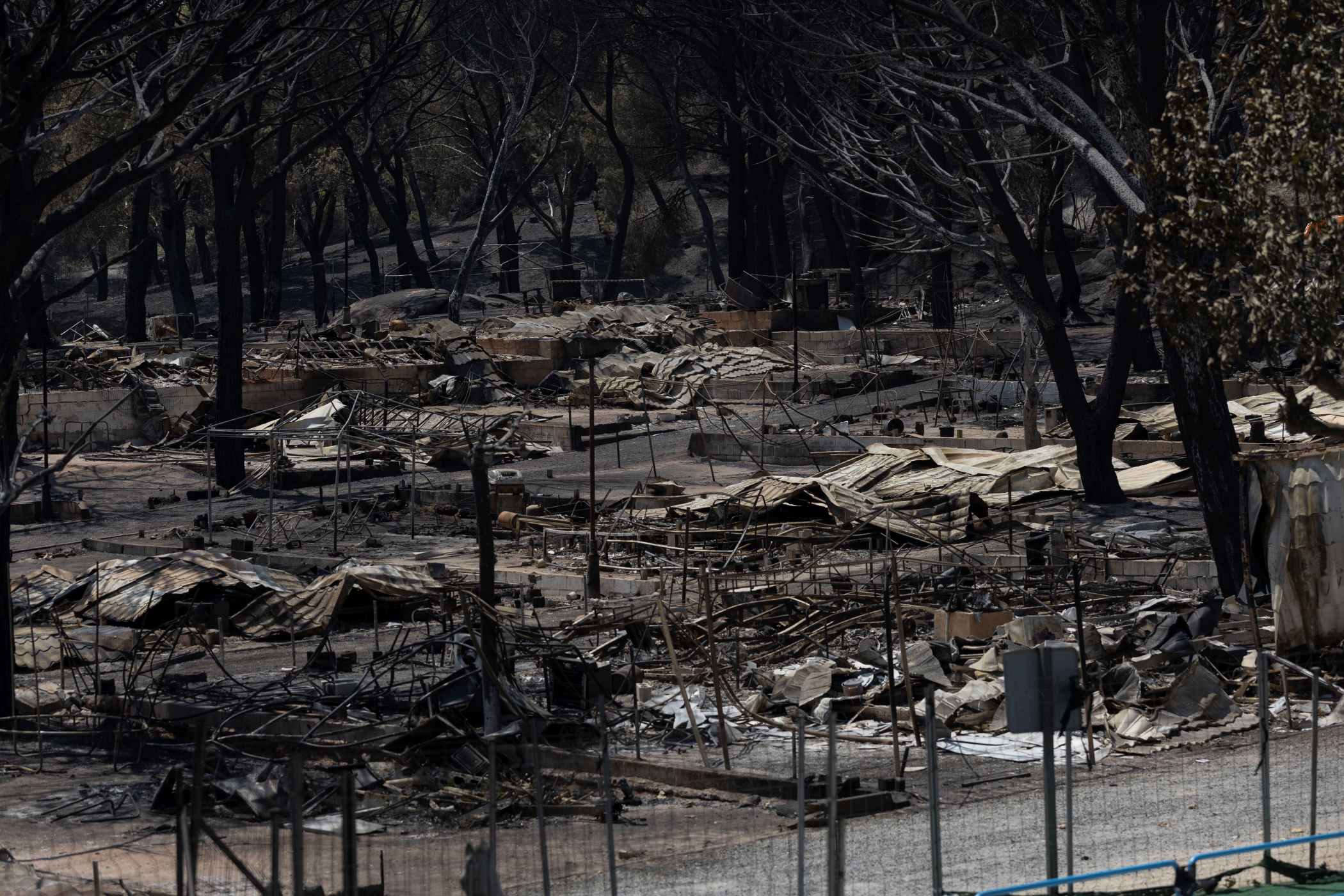
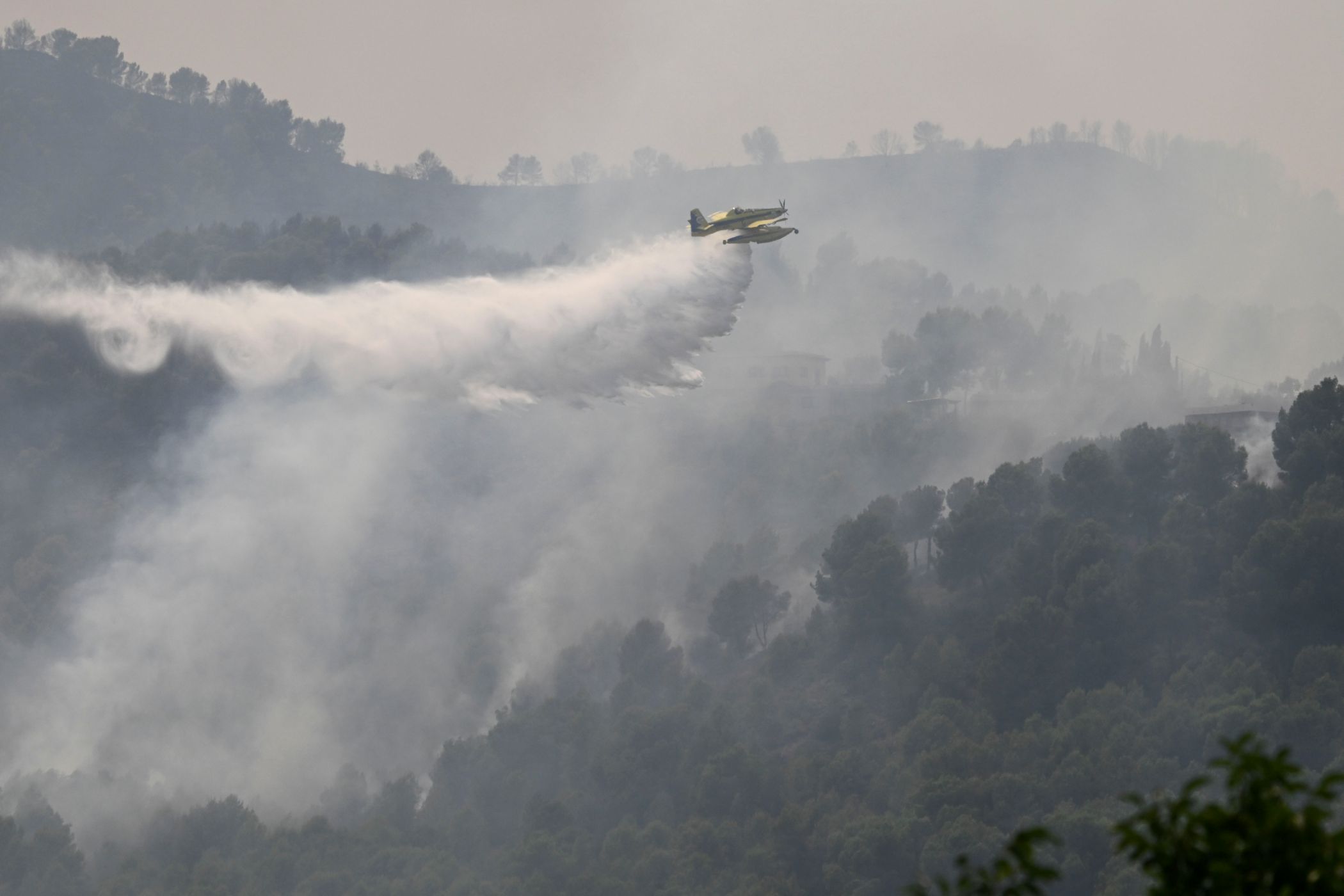
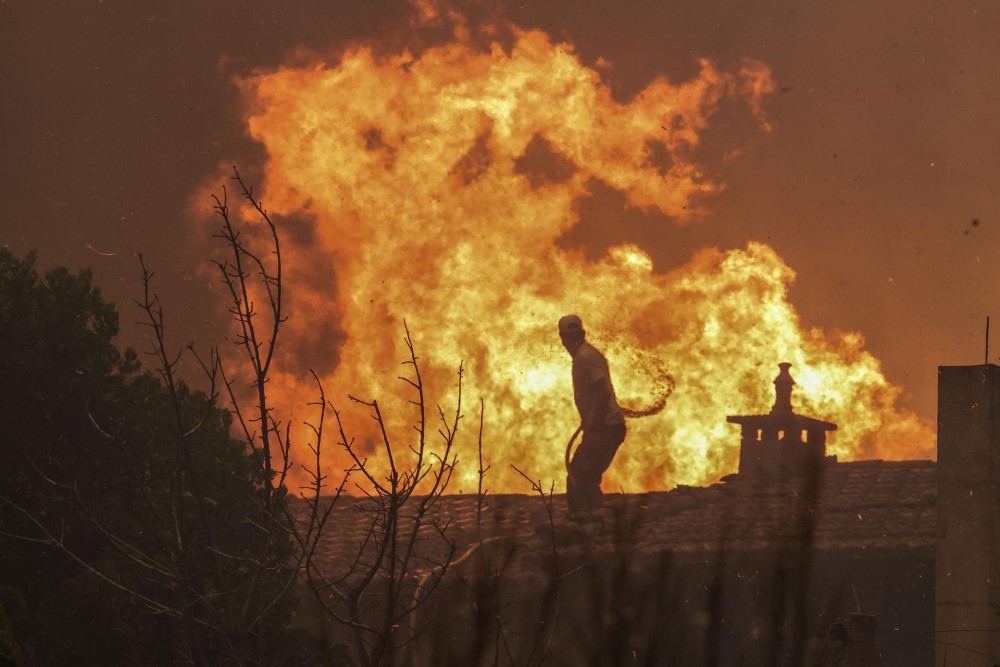
Climate change has made the hot, dry and windy weather conditions that spread fires across the Iberian Peninsula 40 times more frequent and 30% more intense than in the pre-industrial climate, according to a rapid study by World Weather Attribution. The ten-day heatwave was also 200 times more likely and 3°C hotter due to climate change. The study, which analysed weather observations rather than climate models, warns that fires in Europe are overwhelming firefighting resources and highlights the importance of controlling vegetation in affected areas.


0

The decline of European forests in their role in combating climate change is analyzed

Forests cover approximately 40% of Europe's land area. Between 1990 and 2022, they absorbed around 10% of the continent's emissions from human activity, but this process is slowing down. An international team, including CREAF and CSIC, analyzes this decline and its causes in an article and proposes possible solutions. The work is published in the journal Nature.  

0

A report estimates that there are three years of carbon budget left to achieve a 1.5 °C increase

The carbon available for emission without exceeding the 1.5°C limit set in the Paris Agreement—known as the carbon budget—could be exhausted in just over three years at the current rate of CO2 emissions. This is one of the conclusions of a new edition of Indicators of Global Climate Change, published in the journal Earth System Science Data. The study also shows that between 2019 and 2024, sea levels rose by an average of around 26 millimetres: more than double the rate of 1.8 mm per year recorded since the beginning of the 20th century.

0

COP29 agrees rich countries to provide $300 billion to poorer countries for climate finance

In the early hours of the morning, after more than two weeks of negotiations and on the verge of collapse, participants at COP29 in Baku (Azerbaijan) reached an agreement to set the new climate finance target. In the end, at least 300 billion dollars a year will be contributed by rich countries to the least developed countries until 2035, within a broader global commitment of up to 1.3 trillion dollars directed at these same countries. The renewal of this target was part of the Paris Agreement and will enable governments to support developing countries in their climate action on adaptation, mitigation and damage from the climate crisis. The previous target - set at the Copenhagen Summit in 2009 - was $100 billion per year.

0

Fossil CO2 emissions to rise to 37.4 billion tonnes by 2024, says major carbon balance report

There are still no clear signs that global fossil carbon dioxide (CO2) emissions have peaked, according to the 2024 Global Carbon Budget. The report - which is published in the journal Earth System Science Data in preprint format and will be launched at COP29 in Baku - estimates that these emissions will grow by 0.8% this year compared to 2023, to 37.4 billion tonnes of CO2. If this rate continues, there is a 50% chance that global warming will exceed the 1.5°C limit in six years.


0

Pep Canadell: ‘Trump can stop the US from cutting emissions, but not reverse the progress made in decarbonisation’

The largest carbon balance report shows that carbon dioxide emissions have not yet peaked and are projected to reach 37.4 billion tonnes by 2024. In a briefing organised by SMC Spain, Pep Canadell, one of the people in charge of the Global Carbon Budget 2024, analysed these data and what Donald Trump's return as US president means for climate action in the framework of COP29 in Baku.


0

Temporarily exceeding the 1.5°C limit would have irreversible consequences

Research published in Nature analyses future scenarios in which the 1.5°C temperature limit set in the Paris Agreement would be temporarily exceeded, assuming that temperatures could be lowered in the long term by reducing carbon dioxide emissions using different techniques. The authors stress that exceeding this threshold would have irreversible consequences for the Earth system in key areas such as biodiversity, sea level and carbon stocks. ‘Only rapid, short-term emission reductions are effective in reducing climate risks,’ they stress in the paper.

0

A small share of climate policies significantly reduced emissions

Analysis of 1,500 climate policies implemented in 41 countries over the last two decades - between 1998 and 2022 - shows that a small proportion - 63 of them - achieved a significant reduction in carbon dioxide emissions. The study, published in Science, indicates that a significant decrease in these emissions was recorded in the transport sector in Spain. According to the authors, the combination of several policy instruments is often more effective than the use of single measures.

0

Reactions: COP28 approves "transition away from fossil fuels" in Global Stocktake

After an intense night of negotiations in Dubai (United Arab Emirates), the countries participating in COP28 reached a historic agreement by mentioning for the first time "moving away from fossil fuels" in the Global Stocktake document - the assessment of progress made towards achieving the climate goals set out in the Paris Agreement. The agreement comes after the first draft presented by the presidency did not make this mention - it referred only to "reducing consumption and production" of these fuels - which was described as "unacceptable" by countries such as Spain.

0