Josep M. Borràs

Josep M. Borràs

Josep M. Borràs
Position

Scientific coordinator of the National Health System Cancer Strategy, director of the Catalan Oncology Plan and Professor of Preventive Medicine and Public Health at the University of Barcelona

Topics

Cancer mortality will increase by 75% worldwide by 2050, according to a study

An international team has analysed cancer incidence and mortality worldwide using data available since 1990. Between then and 2023, there was an increase of almost 75% in deaths from this cause, with more than 40% of all deaths associated with preventable risk factors. Estimates indicate that by 2050 there will be a similar increase in mortality, due in part to the ageing of the population. The increase will be particularly pronounced in low- and middle-income countries. The results are published in The Lancet.

0

Researchers analyse the impact of colorectal cancer screening campaigns on people aged 45 to 49

In the US, the incidence of colorectal cancer increased in people aged 45-49 years in the period 2019-2022, after advancing the screening age from 50 to 45 years, according to a study published in JAMA. The use of mailed faecal tests made it possible to reach people in this age group, without affecting screening rates in people over 50, says another paper published in the same journal.

0

WHO report on tobacco control warns of industry interference

Coinciding with the World Conference on Tobacco Control - to be held June 23-25 in Dublin, Ireland - the World Health Organization (WHO) is releasing its report on the global tobacco epidemic, responsible for more than seven million deaths worldwide each year. The WHO warns that "action is needed to maintain and accelerate progress in tobacco control, as increasing industry interference calls into question tobacco control policies and efforts.

0

By 2050, breast cancer deaths will increase by 68% worldwide if the current trend continues

An international team has analysed data on the incidence and mortality of breast cancer in 185 countries. In 2022, 2.3 million new cases and 670,000 deaths were recorded and, with this trend, it is predicted that by 2050 these figures will increase by 38% and 68% respectively, particularly affecting low-income countries. Although the mortality rate fell in 30 of the 46 countries studied over the last ten years, only seven of them met the WHO targets of reducing it by at least 2.5% each year. The results are published in the journal Nature Medicine.

0

Proportion of lung cancer cases in nonsmokers associated with pollution is rising

A paper published in The Lancet Respiratory Medicine has analyzed new cases of lung cancer worldwide during the year 2022. While the incidence in women continues to approach that of men, the decrease in tobacco consumption in many countries causes the proportion of cases in non-smokers to increase. This increase is associated with air pollution, especially in countries such as China. 

0

High coffee consumption associated with lower risk of head and neck cancer, study finds

According to a meta-analysis of 14 studies involving more than 25,000 people, drinking more than four cups of coffee per day was associated with a lower incidence of head and neck tumors. Drinking between none and one cup of tea was also associated with a slightly decreased risk, although daily consumption of more than one cup of tea was associated with an increased risk of developing laryngeal cancer. The results are published in the journal Cancer

0

Incidence of colon cancer continues to rise in young people in many high-income countries, although not in Spain

A team of researchers has analyzed data from the World Health Organization to estimate the incidence of colorectal cancer in 50 countries around the world. Their conclusions, based on records up to 2017, are that in most high-income countries its incidence continues to increase in young people (under 50 years of age). This increase, however, is not observed in Spain. The results are published in the journal The Lancet Oncology.   

0

40% of the most common breast tumours can be attributed to excess body fat in postmenopausal women

A study conducted in several Spanish provinces has analysed the relationship between breast cancer and obesity in more than 2,000 postmenopausal women. Its findings are that around 40% of estrogen receptor positive (ER+) cases - the most common type - can be attributed to excess body fat (above 40%). This is much higher than the 10% considered attributable when only a high body mass index is taken into account. The results are published in the Journal of Epidemiology and Community Health.

0

Reactions: Study quantifies overdiagnosis of breast cancer in women over 70 in the US

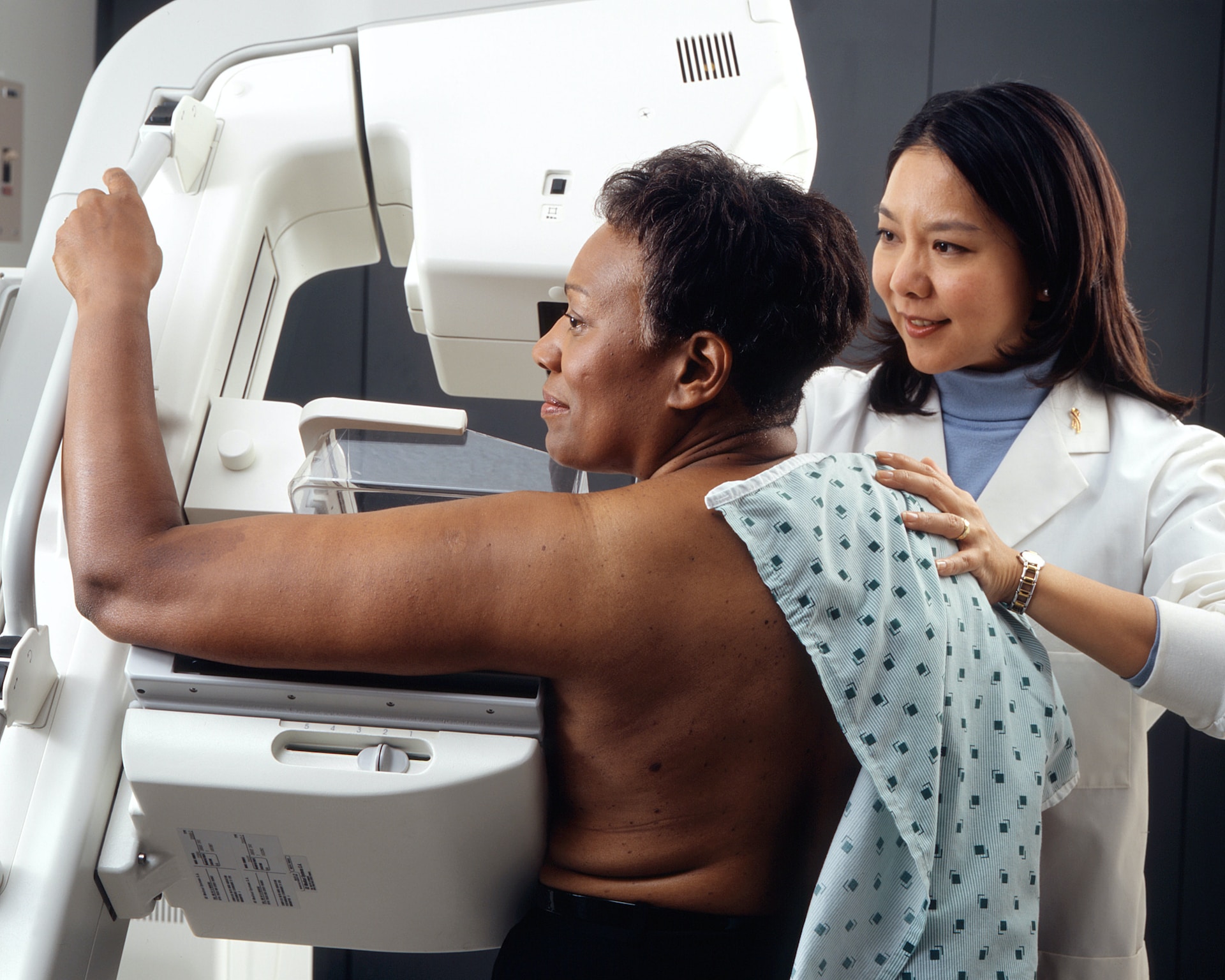
A US study measures the risk of breast cancer overdiagnosis in screening campaigns for women over 70. These are women who are misdiagnosed with cancer after a mammogram, leading to unnecessary treatments that can cause complications, anxiety and financial costs. The study includes more than 54,000 women over the age of 70 who have had a screening mammogram. The retrospective analysis compares the cumulative incidence of breast cancer between two groups: women who continued screening up to 15 years later, and women who did not. The research estimates that 31% of breast cancer cases in women aged 70-74 result from overdiagnosis: it finds 6.1 cases per 100 women who had continued screening, compared with 4.2 cases per 100 women in the second group. The percentage of overdiagnosis increases with the age of the women. The article is published in the Annals of Internal Medicine, along with an editorial.

0

Reactions: healthy lifestyle reduces risk of relapse and increases survival in patients with operable breast cancer

A study published in JAMA Network Open has followed 1,340 women with high-risk operable breast cancer. Analysing their lifestyles before, during and after treatment, the researchers conclude that those who followed a healthier pattern - including physical activity, no smoking, high fruit and vegetable intake, and low consumption of meat and sugary drinks - had a 37% lower risk of relapse and a 58% higher chance of survival than those who followed a worse pattern. Although the improvements in absolute risk were much smaller, the authors conclude that "lifestyle interventions may be a safe, inexpensive and feasible adjuvant strategy to delay and prevent recurrence and death from the world's most common cancer".

0