Isabel Portillo

Isabel Portillo

Isabel Portillo
Position

Screening Coordinator at Osakidetza -Basque Health Service, researcher in the Cancer Biomarkers group at the Biobizkaia Health Research Institute, and secretary of the Board of Directors of the Spanish Epidemiology Society

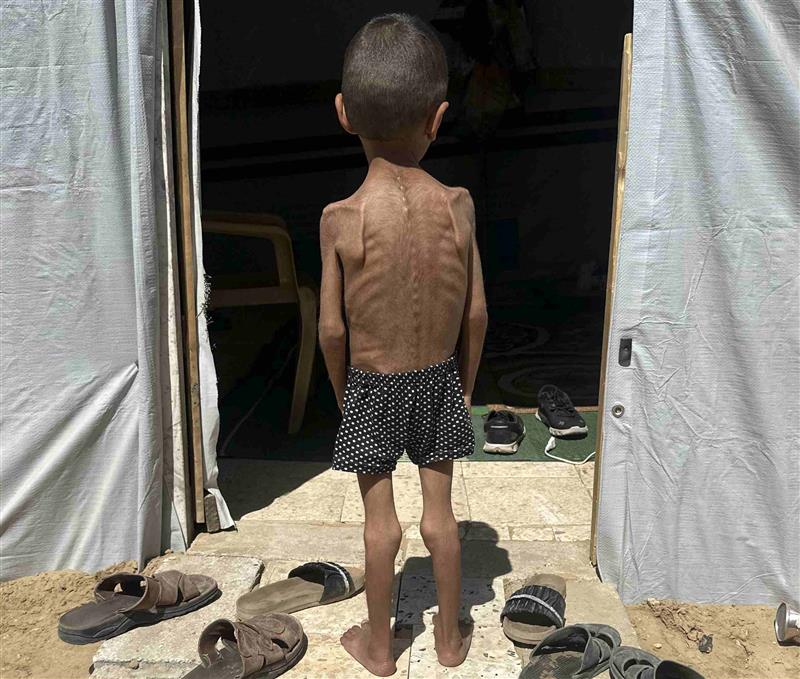
Peaks in child malnutrition in Gaza coincide with periods of aid blockades by Israel

More than 54,600 children under the age of five in Gaza are in need of medical care for acute malnutrition, according to estimates from a study published in The Lancet, which shows that the prevalence of malnutrition decreases during a ceasefire and increases during Israeli blockades of access to food, water, or medicine. For example, after four months of severe aid restrictions—between September 2024 and January 2025—malnutrition increased from 8.8% to 14.3%, with a higher incidence in Rafah and among children between 24 and 59 months of age. The study, conducted by UNRWA, is based on data from more than 219,000 children between the ages of six and 59 months from various locations in the Gaza Strip, collected between January 2024 and August 2025.

0

Frontline medical workers detail the severity of injuries among the population of Gaza caused by the Israeli invasion

Through surveys of 78 healthcare workers in Gaza between August 2024 and February 2025, an international team has documented patterns of injuries among the civilian population during Israel's ongoing invasion. The most common traumatic injuries were burns, followed by injuries to the lower and upper limbs. Explosion damage accounted for most of the weapon-related trauma, which particularly affected the head, while gunshot wounds were mainly located in the lower limbs. The study is published in The BMJ.

0

The increase in colorectal cancer in young adults could be due to a bacterial infection in childhood

A study published today in Nature with the participation of the CNIO points to the bacterial toxin colibactin, produced by some strains of Escherichia coli, as a possible culprit in the increase in early-onset colorectal cancer. The study shows that exposure to the toxin during early childhood leaves a genetic signature in colon cells and demonstrates a substantial increase in these mutations in cases of colorectal cancer in people under 50.

0

Incidence of colon cancer continues to rise in young people in many high-income countries, although not in Spain

A team of researchers has analyzed data from the World Health Organization to estimate the incidence of colorectal cancer in 50 countries around the world. Their conclusions, based on records up to 2017, are that in most high-income countries its incidence continues to increase in young people (under 50 years of age). This increase, however, is not observed in Spain. The results are published in the journal The Lancet Oncology.   

0

Prenatal cell-free DNA testing can incidentally detect maternal cancer

Cell-free DNA (cfDNA) sequencing analysis for fetal aneuploidies - chromosomal abnormalities - can incidentally detect maternal cancer, according to a study published in NEJM. Researchers screened 107 pregnant and postpartum mothers with no symptoms of cancer, but who had received unusual clinical cfDNA sequencing results, for cancer. In this sample, cancer was present in 48% of the women.

0

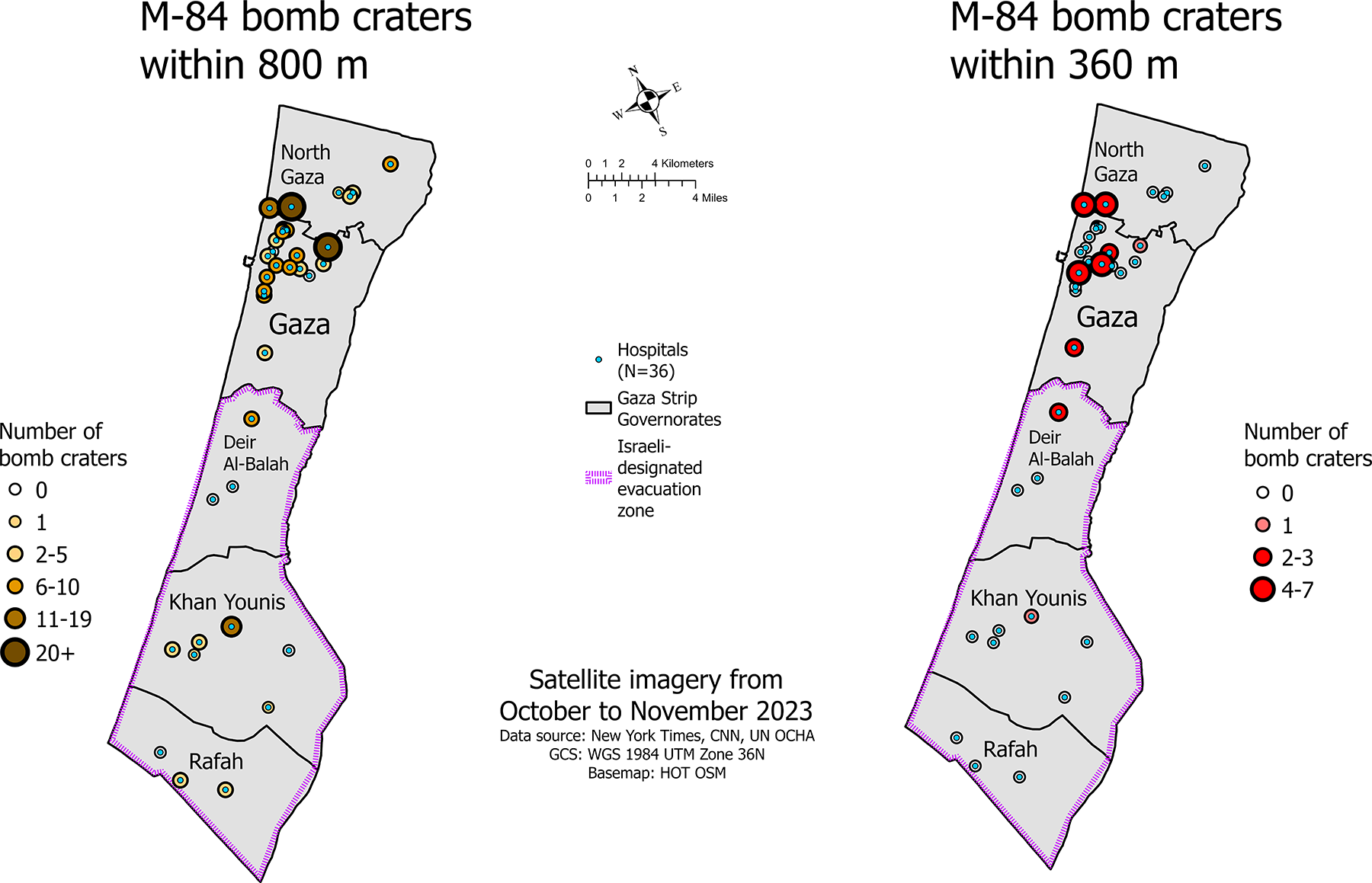
A study analyzes the proximity of bombs detonated by the Israeli army to hospitals in the Gaza Strip

A study has used geospatial data and satellite imagery to analyze the number of MK 84 bombs dropped by the Israeli army in the Gaza Strip between October 7 and November 17, 2023 that detonated near hospital infrastructure. Of the 36 existing hospitals, 30 of them had suffered at least one explosion within 800 meters. According to the authors of the paper, which is published in PLOS Global Public Health, the research “reveals concerns about indiscriminate shelling near hospital infrastructure, which enjoys special protection under international humanitarian law.”

0

Reaction: new tests for colorectal cancer screening by detecting DNA in stool and blood evaluated

Two studies published in the New England Journal of Medicine evaluate colorectal cancer screening tests that could be alternatives to the existing faecal immunochemical test (FIT), which detects occult blood in stool. The first study uses a new generation test that detects DNA in stool and has a higher sensitivity than FIT, 93.9% for colorectal cancer and 90.6% for advanced neoplasia (tumour formation). The second uses a blood-based DNA detection test with a sensitivity of 83% for colorectal cancer and 90% for advanced neoplasia.   

0

Mass cancer screening: advantages, disadvantages and current situation

On the occasion of World Cancer Research Day on 24 September, the Science Media Centre Spain organised an information session on mass screening. At the meeting, researchers Adrian Aginagalde, Isabel Portillo and Juan Carlos Trujillo explained how mass screening is studied, analysed its advantages and disadvantages, explained how its implementation is decided and what new developments we can expect.

0