Gemma Marfany

Gemma Marfany

Gemma Marfany
Position

Gemma Marfany, Professor of Genetics at the University of Barcelona (UB) and a member of CIBERER, IBUB-IRSJD
 

Topics

An investigation alleges that the death of a girl in China was covered up after she was given an experimental gene therapy

In 2025, a six-year-old Chinese girl named Mei (not her real name) became the first person in the world to undergo gene-editing therapy targeting the brain. She had a developmental delay associated with a rare genetic syndrome, Snijders-Blok-Campeau syndrome. According to Science, her parents had raised $860,000 to partially fund the treatment at Xinhua Hospital in Shanghai (China), led by Zilong Qiu, one of the neuroscientists competing to apply base editors — a version of CRISPR — in children with rare diseases. Now, Science and Retraction Watch have exclusively revealed that Mei died from a severe immune reaction seven days after receiving the treatment, a story that had been kept hidden. The entry on clinicaltrials.gov has not been updated since 2025; and when Qiu and his team published animal studies related to the trial in the journal Nature in early 2026, according to the journalistic investigation, they omitted any reference to Mei and her family.

0

The ‘dark transcriptome’ has been used to reduce inflammation in mice and human cells

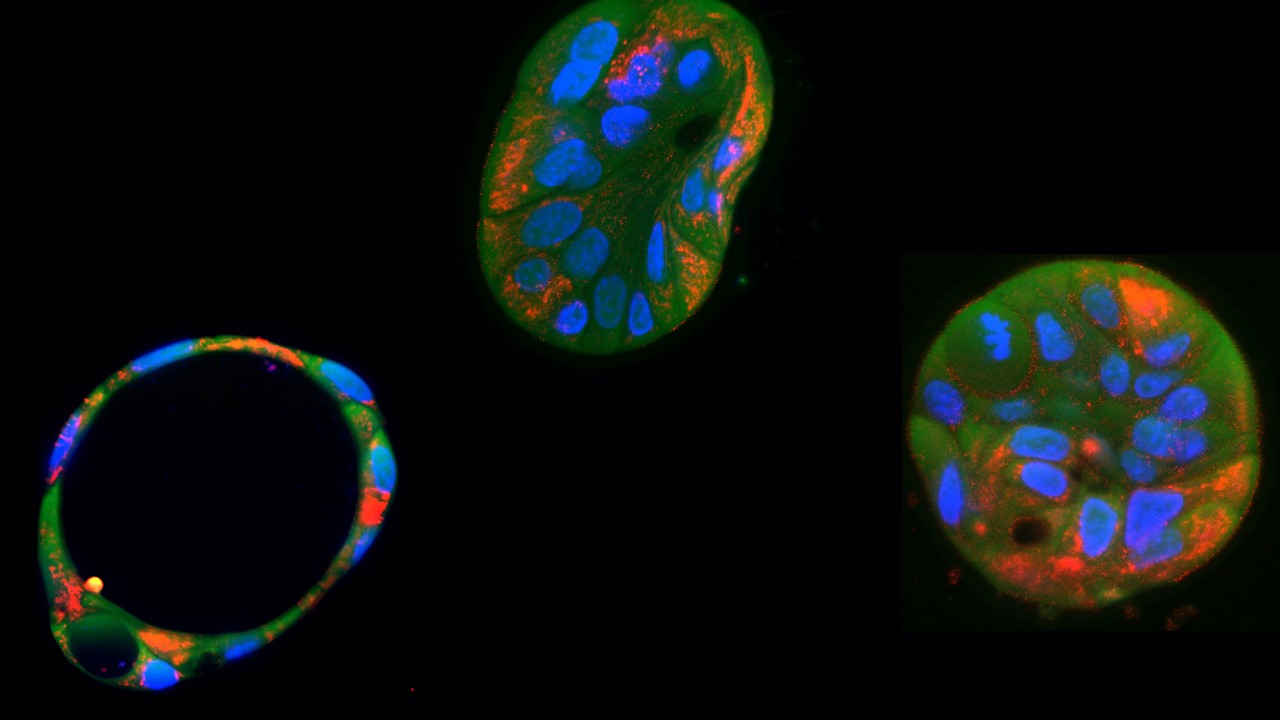
The so-called 'dark transcriptome' consists of non-coding RNA, i.e. RNA that does not provide instructions for building proteins. A study published in the journal Science Signaling used long non-coding RNAs (lncRNAs) and modified them to attenuate acute inflammation in mice and human cells. The authors are confident that this could open up a new field of therapeutic development.


0

Harmful mutations in human mitochondrial DNA corrected through gene editing

A team from the Netherlands has successfully edited pathogenic mutations in mitochondrial DNA in human cells, changes in DNA that cause disease, according to research published in PLoS Biology. The authors used a genetic tool known as a base editor. Until now, techniques derived from CRISPR have made it possible to correct mutations in nuclear DNA, and new techniques are being developed that allow mitochondrial DNA to be edited.

0

CRISPR used for the first time to treat a rare metabolic disease in a baby

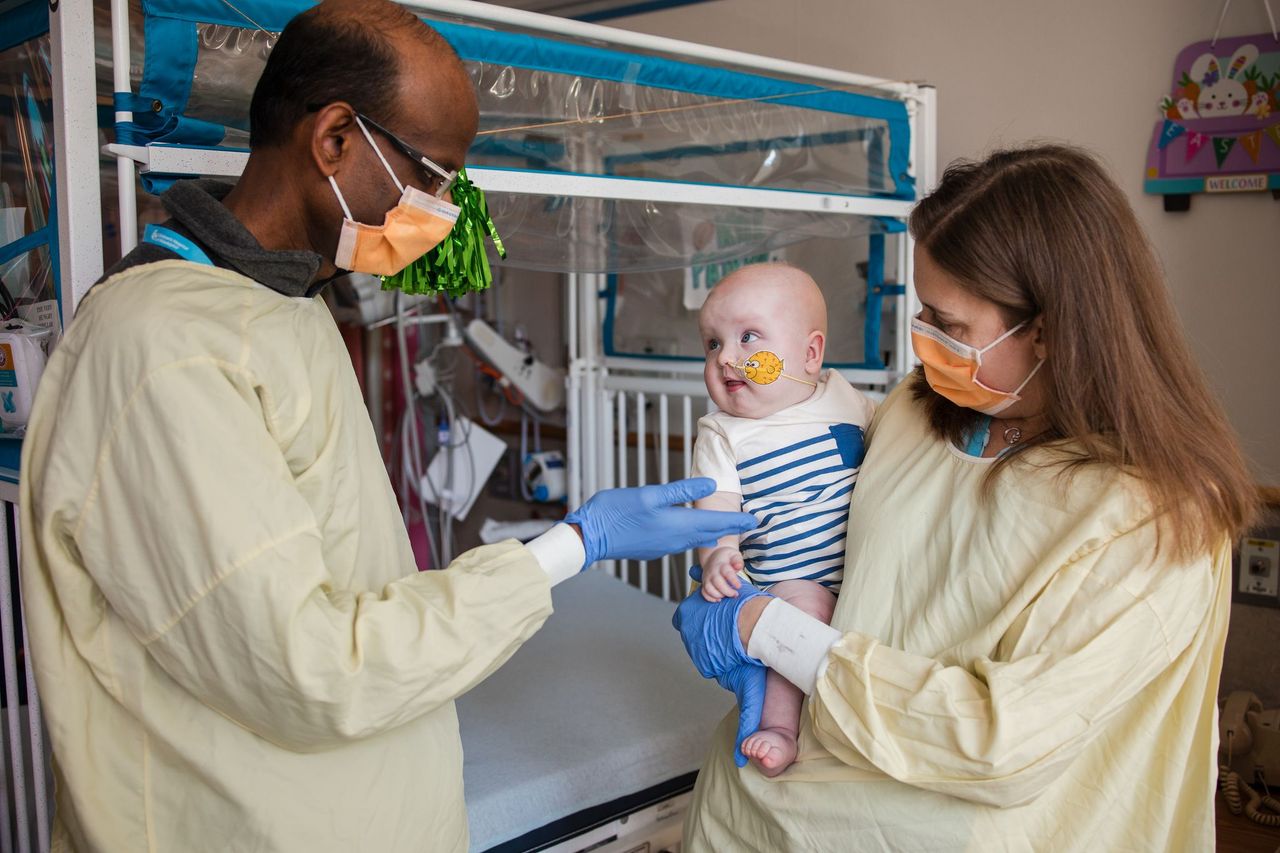
A team from the Children's Hospital of Philadelphia and Penn Medicine (United States) has successfully treated a baby diagnosed with a rare genetic disorder using personalised CRISPR gene editing therapy. The baby, known only by the initials KJ, was born with a rare metabolic disease known as severe carbamoyl phosphate synthetase 1 (CPS1) deficiency. After spending the first months of his life in hospital on a very restrictive diet, KJ received the first dose of his tailored therapy in February 2025, between six and seven months of age. The treatment, which is being used for the first time for this type of disorder, was administered safely, and the baby is now growing well and improving. The case is detailed in a study published by The New England Journal of Medicine (NEJM).

0

Spanish centres make progress in transparency in animal experimentation, according to COSCE report

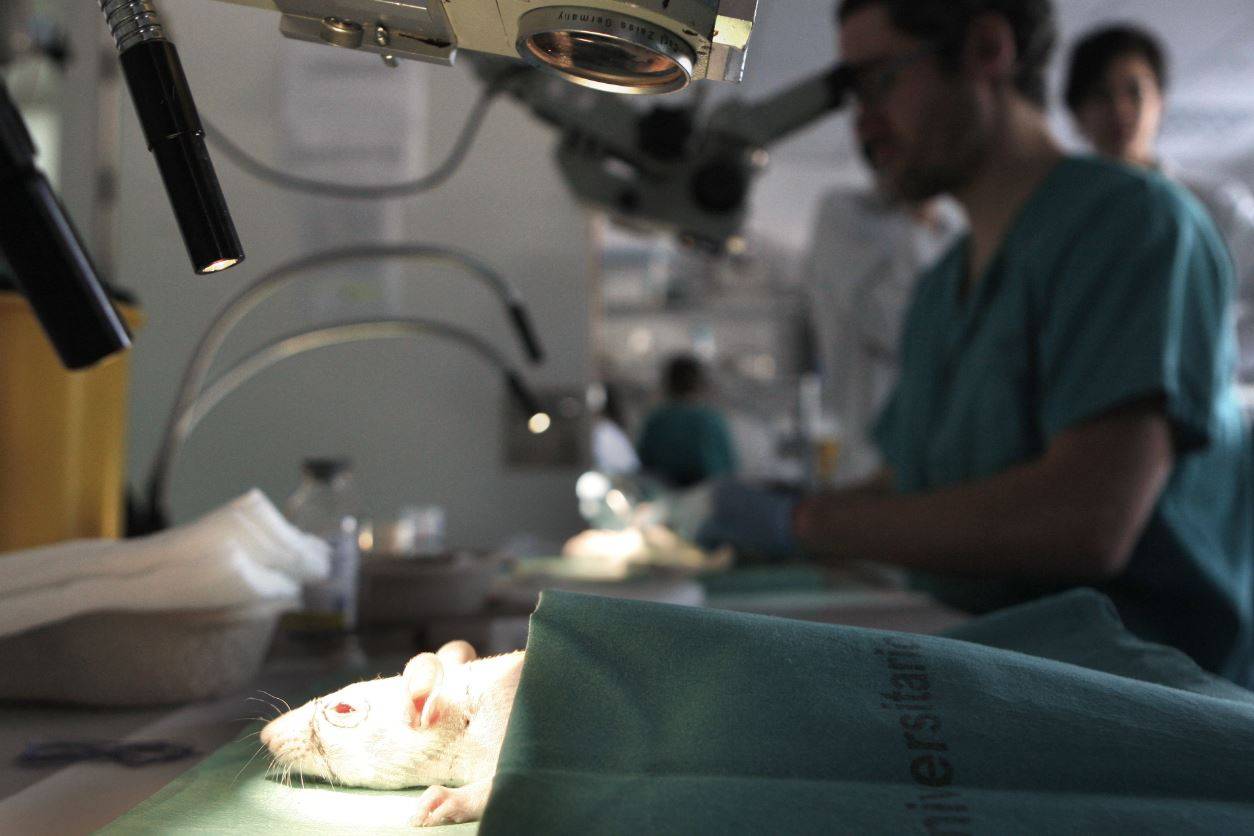
The seventh Annual Report of the COSCE Transparency Agreement, prepared by the European Animal Research Association, which analyses transparency in the use of animals for scientific experimentation in Spain in 2023, was presented today. According to the document, transparency is consolidated among the signatory institutions -168 in 2024- and all of them publish a statement on their websites on the use of animals. Public mention of the number and species used stands at 47%, compared to 38% the previous year.

0

Nobel Prize in Medicine or Physiology awarded to Ambros and Ruvkun for the discovery of microRNAs and their role in gene regulation

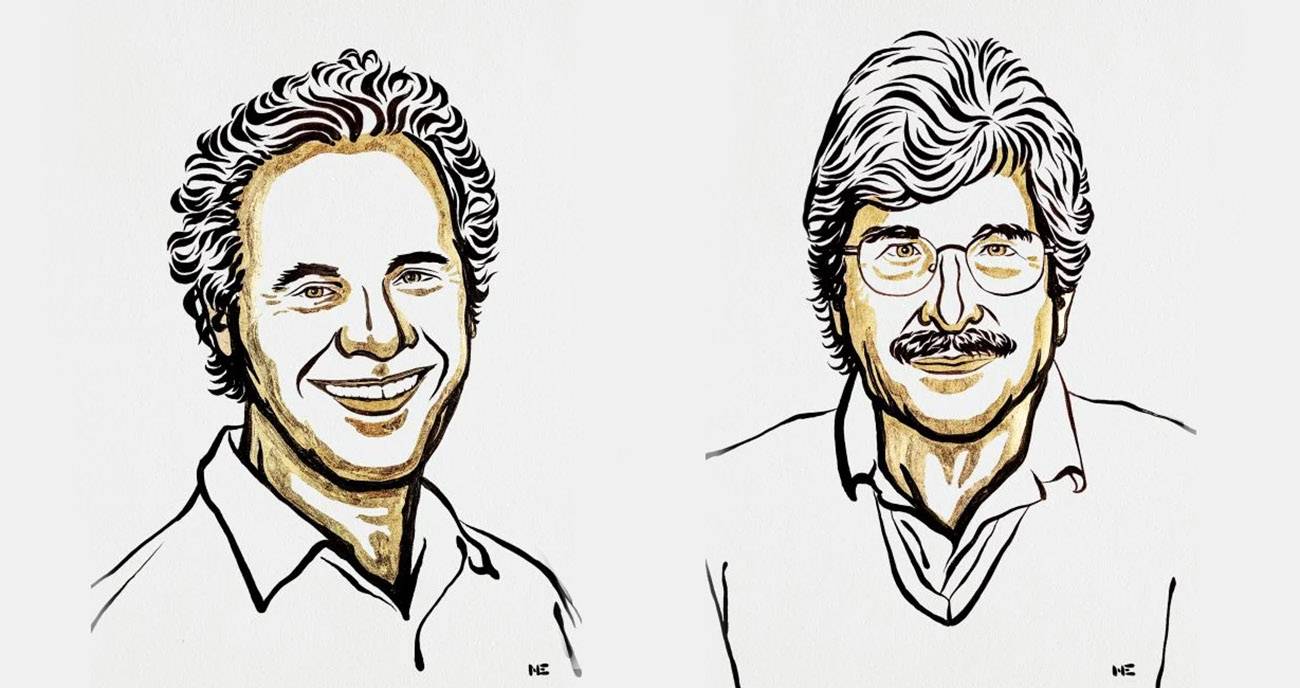
The Karolinska Institute has awarded the Nobel Prize in Medicine or Physiology to Victor Ambros and Gary Ruvkun for the discovery of microRNAs, small RNA fragments that do not contain instructions for making proteins but instead participate in the regulation of gene expression. Their role is fundamental in processes such as cell differentiation, and their alteration can influence diseases like cancer.

0

Reactions: gene therapy improves Hurler syndrome skeletal disorders

Hurler syndrome is a rare and very serious disease caused by an enzyme deficiency, which results in a wide variety of signs and symptoms. Treatment with bone marrow transplantation helps to alleviate some of them, but has little effect on skeletal disorders. Now, a phase I/II trial has tested an autologous transplant of blood stem cells corrected by gene therapy in eight patients. The results, published in the journal Science Translational Medicine, suggest that the treatment is more effective and could also improve these types of disorders. 

0

Reactions to study linking rare genetic variants with left-handedness

10 % of people are left-handed, which occurs when the right cerebral hemisphere is more dominant for the control of that hand - whereas it is the left hemisphere in the case of right-handed people. To investigate the genetic basis of this laterality, scientists in the Netherlands have analysed genome data from 350,000 people in the UK biobank for rare genetic variants associated with this phenomenon. The heritability of left-handedness due to rare coding variants was low, at less than 1%. The research, published in Nature Communications, suggests that one gene - TUBB4B - is 2.7 times more likely to contain rare coding variants in left-handed people. 

0

Reactions to the two preprints on models of human embryos created from stem cells in the laboratory

The Guardian newspaper reported on Wednesday that Magdalena Zernicka-Goetz's team had announced the generation of synthetic human embryos from stem cells at the annual meeting of the International Society for Stem Cell Research in Boston. The author later denied on Twitter that they were synthetic human embryos and spoke only of models, warning that it was pending publication in a scientific journal. The day after the publication in The Guardian, and as reported in El País, Jacob Hanna and his team published a preprint - a publication that has not been peer-reviewed - in bioRxiv on models of human embryos generated from stem cells without genetic editing. A few hours later, Zernicka-Goetz's team posted their preprint on bioRxiv.

0