Concepción Ornosa

Concepción Ornosa

Concepción Ornosa
Position

Retired lecturer and researcher specialising in the biology and biodiversity of arthropods at the Complutense University of Madrid
 

Most species of wild bees are in decline in Europe, according to an analysis covering the last century
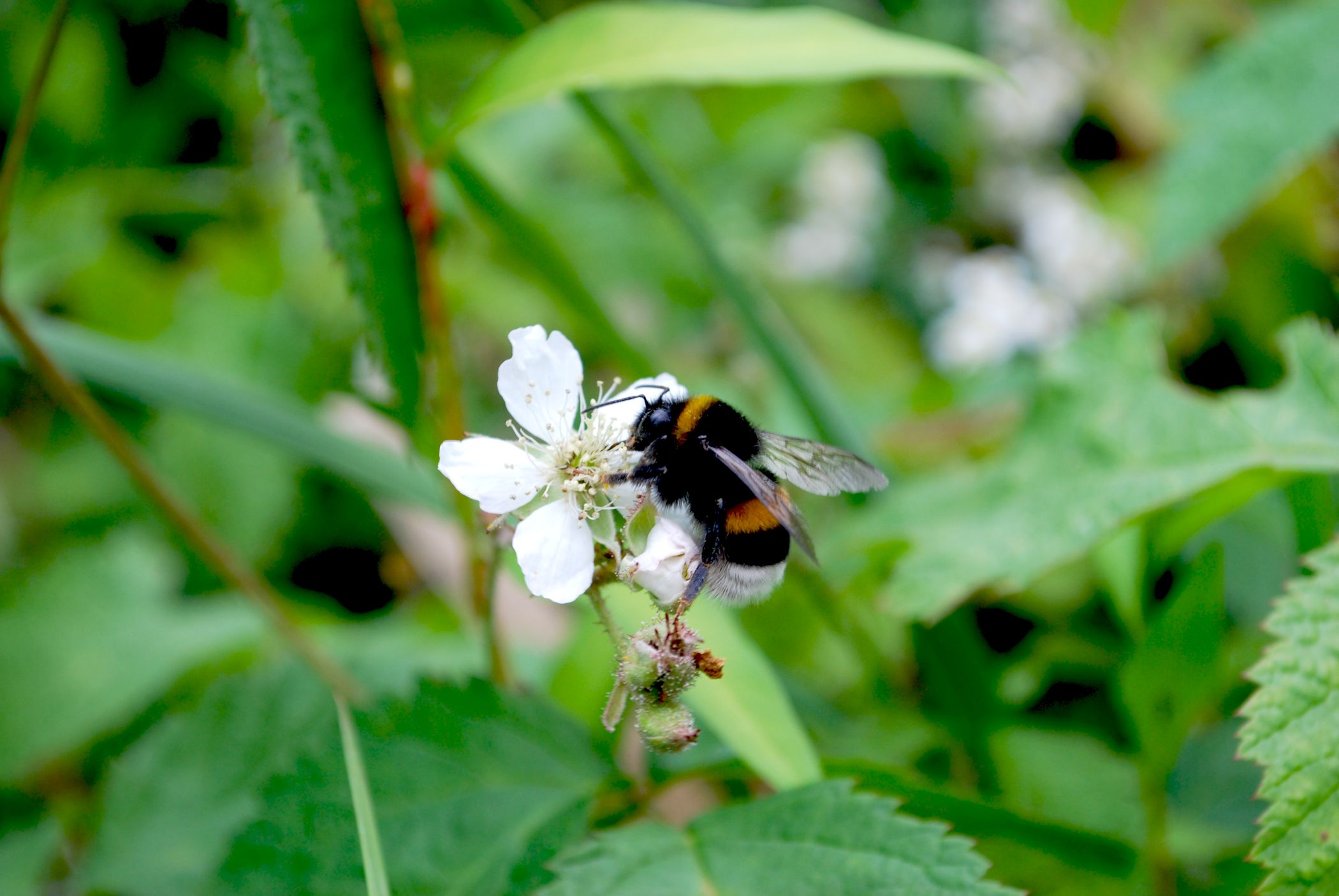
A study led by the CSIC, which has analysed more than four million records of wild bees and hoverflies — known as flower flies — in Europe over the last century, shows that the majority of bee species and approximately half of the hoverfly species have experienced a decline. The study, published in PNAS, covers data on 88 per cent of these species and highlights that, by region, there were declines in the Atlantic and continental zones for both groups of pollinators, whilst recent increases were observed in the Alpine region in the case of bees.

0
Agricultural production losses due to insufficient pollination have decreased thanks to honeybees

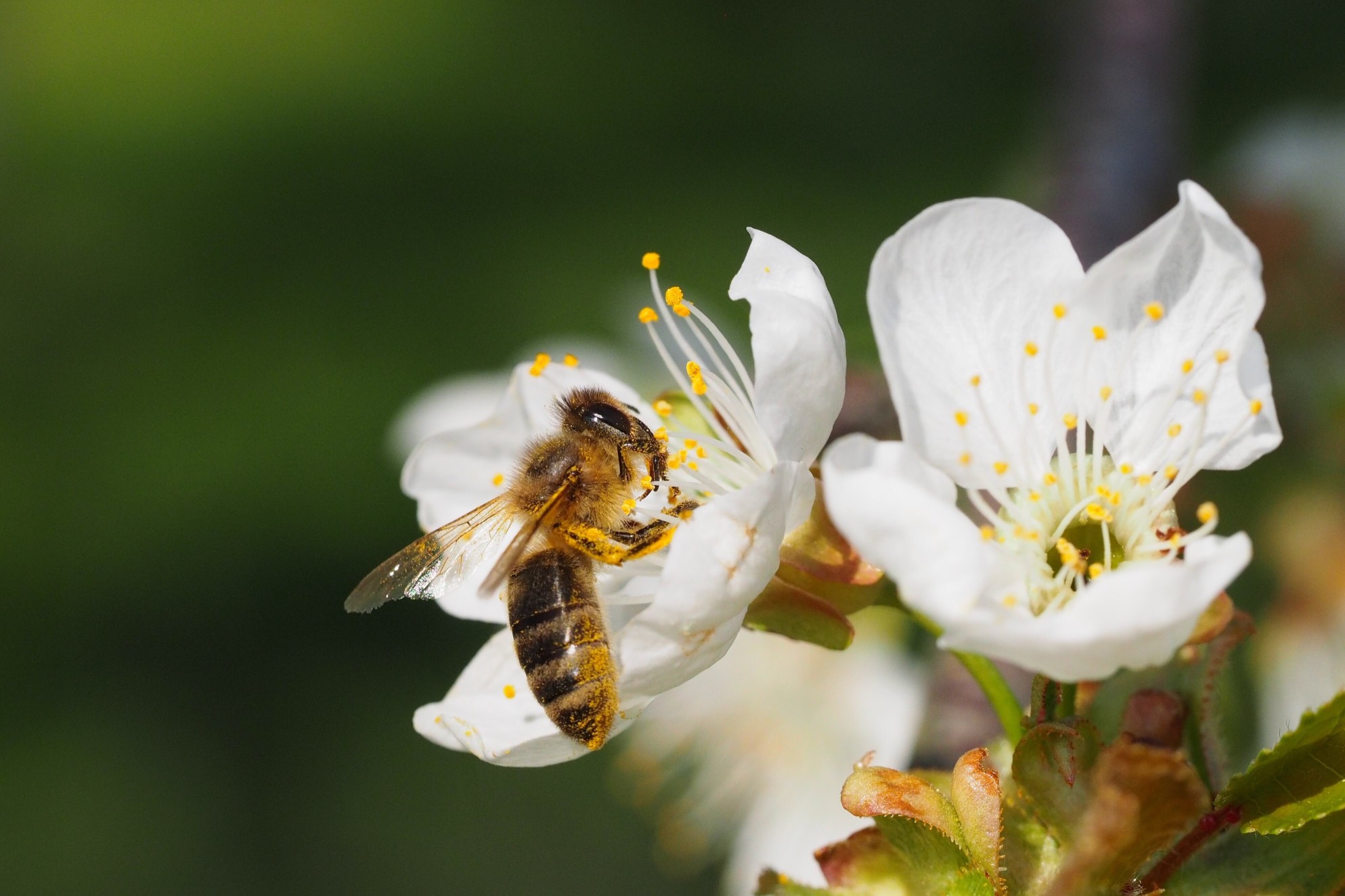
A meta-analysis published today in PNAS shows that, globally, the loss of agricultural production due to insufficient pollination has declined since the 1980s, primarily thanks to the use of honeybees. The research includes 165 studies published between 1950 and 2019, the results of which showed that fields without managed pollinators did not exhibit a clear reduction in this loss of productivity. According to the authors, this type of pollination has mitigated yield losses, but the heavy reliance on a single pollinator species—the common honeybee—poses risks to agriculture. 

0

The decline of pollinators beyond honeybees

Decades ago, concerns began to be raised about the decline in honeybee populations. Although their situation has improved, the same cannot be said for other pollinating insects. Together, they enable the reproduction of nearly 90% of flowering plants and directly contribute to three out of every four crops that feed the world. We examine the causes of this decline, their current situation, and the measures being taken to protect them.


0