urology

urology

urology

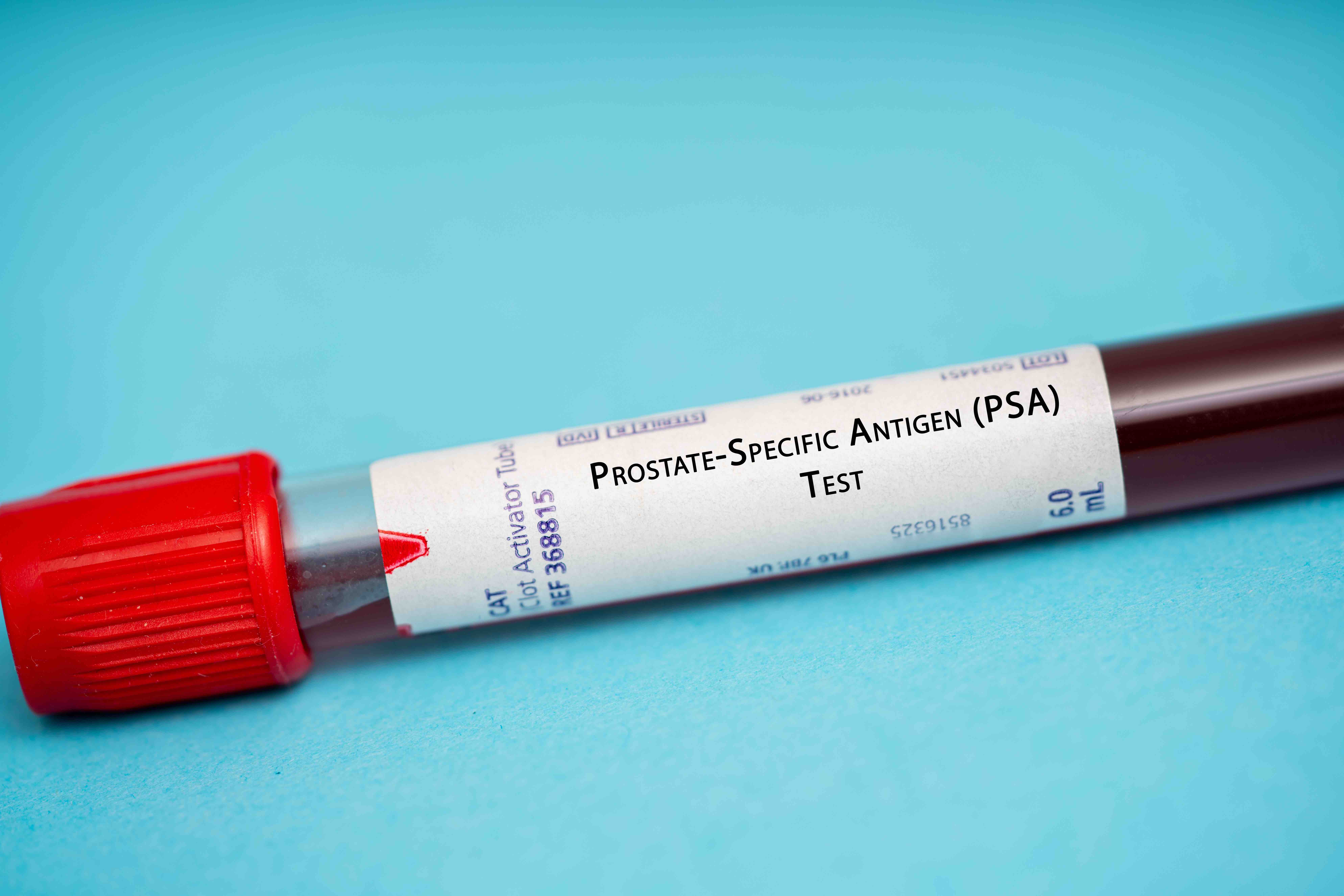
Genetic testing would improve prostate cancer screening, according to a study

One of the problems with prostate cancer screening is that it results in a high rate of false positives, that is, erroneous diagnoses in people without the disease. A study in the UK has applied a genetic test to more than 6,000 people aged between 55 and 69, analysing 130 variants related to this tumour, which allows a ‘risk score’ to be calculated. According to the results, which are published in the journal NEJM, the test detected the disease more likely in people with higher values than traditional screening.

0
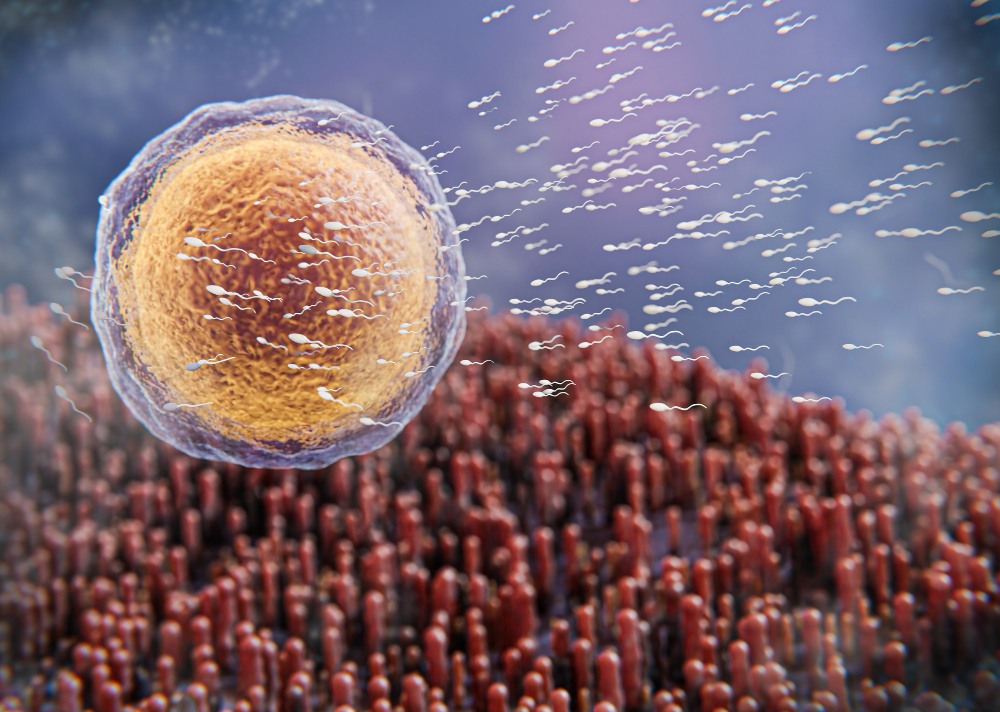
High-risk Human Papillomavirus (HPV) genotypes linked to reduced male fertility

The sperm of men infected with high-risk genotypes of the human papillomavirus (HPV) suffers more damage from oxidative stress and has a weaker immune response, which can lead to reduced fertility. This is one of the conclusions of a study published in the journal Frontiers in Cellular and Infection Microbiology. The research compared the semen of 20 adults infected with high-risk genotypes, seven infected with low-risk genotypes, and 43 adults without infections.

0

Reactions: Article recommends limiting use of antigen tests for prostate cancer screening

Most high-income countries do not have prostate cancer screening programmes for their entire population; prostate-specific antigen (PSA) tests can be done on an individual basis. In an opinion piece published in The BMJ, a group of urologists and epidemiologists specialised in prostate cancer screening argue for restricting the use of PSA tests to avoid over-detection and over-treatment. 

0