psychology

psychology

psychology

Reactions: The five strategies to increase happiness most often reported in the media lack sound scientific basis

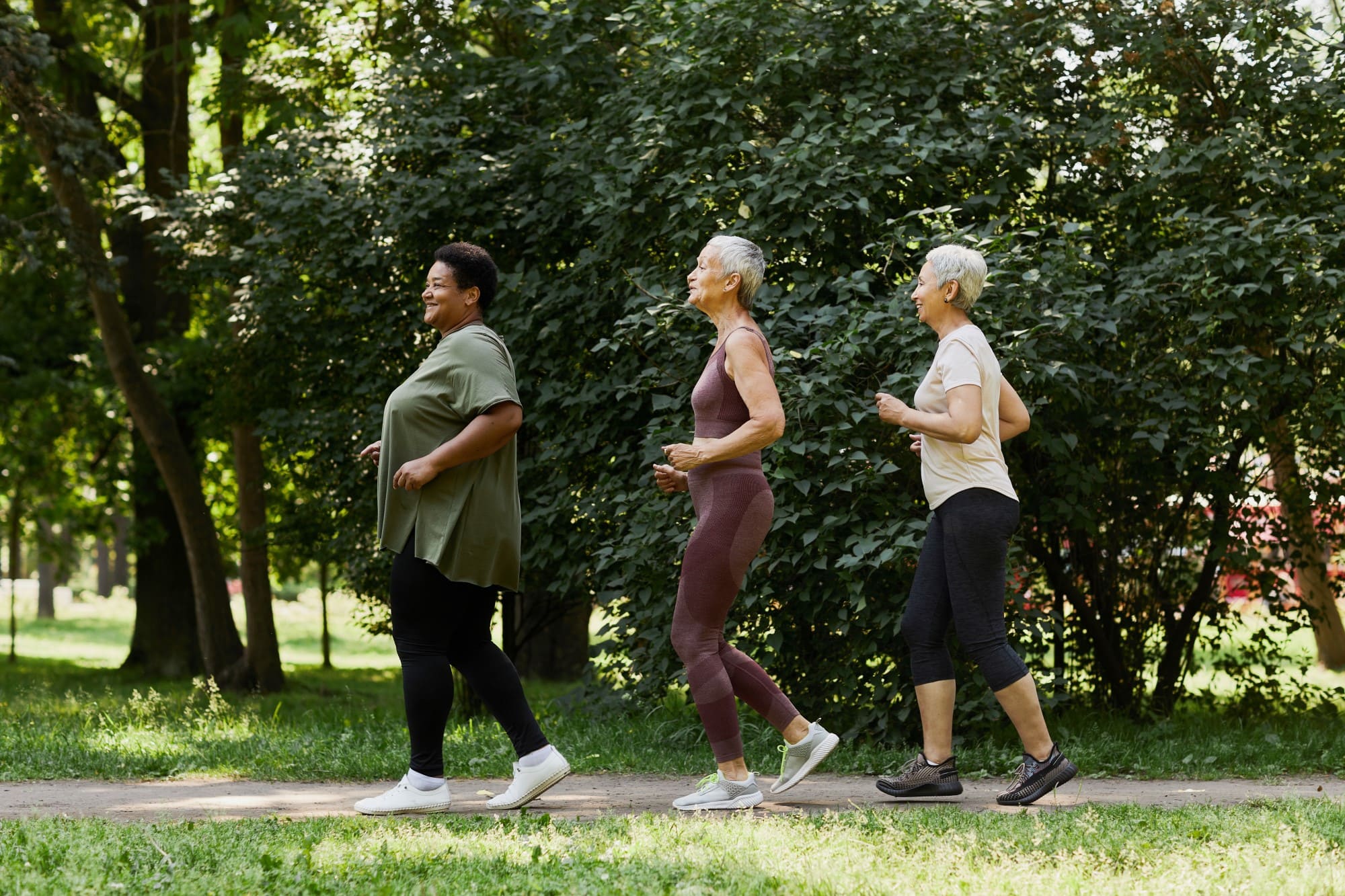
A systematic review published in Nature Human Behaviour shows that there is a lack of solid scientific research supporting strategies commonly recommended by the media to increase happiness. The research identifies the five strategies most commonly cited by the press: expressing gratitude, improving sociability, exercising, practising meditation or mindfulness and increasing exposure to nature. According to the study, which analysed the published scientific literature on these practices, their effectiveness in increasing happiness is uncertain, because most of the research lacked sufficient statistical power to detect noticeable benefits or had not been previously recorded - a common practice in psychology today.

0

Reactions: 20-year study of the psychological well-being of children born through third-party assisted reproduction

Two decades of research has found no differences in psychological well-being and the quality of family relationships between children born through assisted reproduction with third-party intervention (gamete donation or surrogacy) and those born naturally. The results, published in Developmental Psychology, suggest that it is better to talk to them early, at preschool age, about their biological origins.

0

Reaction: Study examines the prevalence of hospital admissions for suicide attempts among transgender and non-binary youths

A study of hospitalised young people in the United States concludes that those with a diagnosis of gender dysphoria are four to five times more likely to be hospitalised for a suicide attempt or to have attempted self-harm. The research is published in The Lancet Child & Adolescent Health.

0

Reaction: mice that confront the aggressor develop greater resilience than those that flee

A study in mice published in the journal Nature has analysed the different responses to aggression and the consequences for subsequent behaviour. In general, animals that confronted the aggressor developed greater resilience than those that fled or avoided the aggressor, and the gain was greater as brain circuits associated with dopamine were activated.

0

Reaction to study associating skipping breakfast or eating breakfast away from home with increased risk of psychosocial problems in childhood and adolescence

Using data from the 2017 National Health Interview Survey, researchers show that children and adolescents (aged 4-14 years) who skip breakfast or eat it away from home are more likely to have psychosocial behavioural problems. The research is published in the journal Frontiers in Nutrition.