primatology

primatology

primatology

The language of bonobos has characteristics that were previously thought to be exclusive to human beings, according to a study
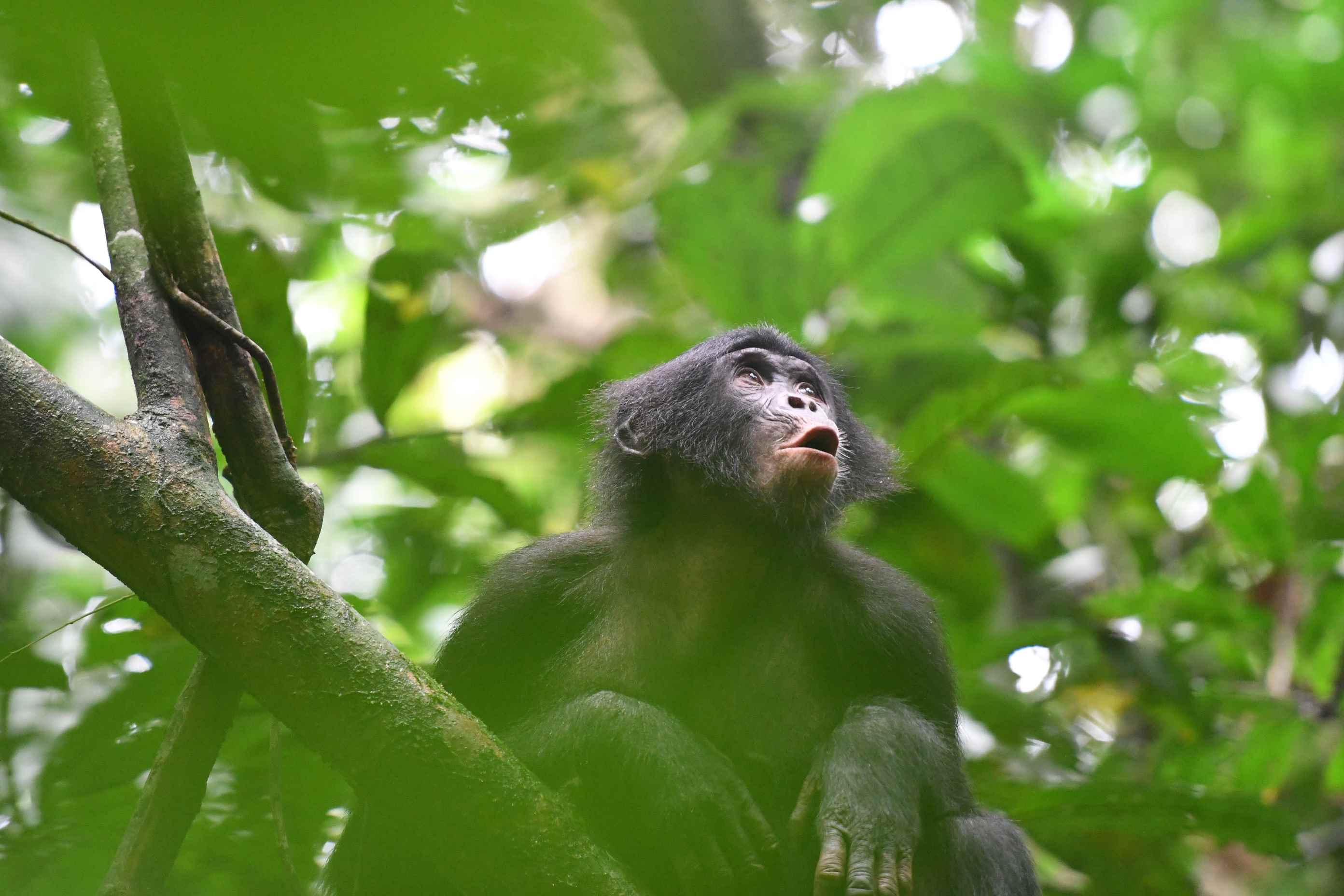
One characteristic that is considered distinctive of human language is its capacity to combine elements and form more complex and meaningful structures, which is known as compositionality. Its most complex form, in which meaning is not simply the result of the sum of words, has not been found in any other animal species. Now, an international team claims to have observed it for the first time in bonobos. The results, published in Science, call into question assumptions about the uniqueness of human language and open up new avenues for understanding the evolution of communication, according to the journal.

0
Reactions: study reveals menopause in female chimpanzees

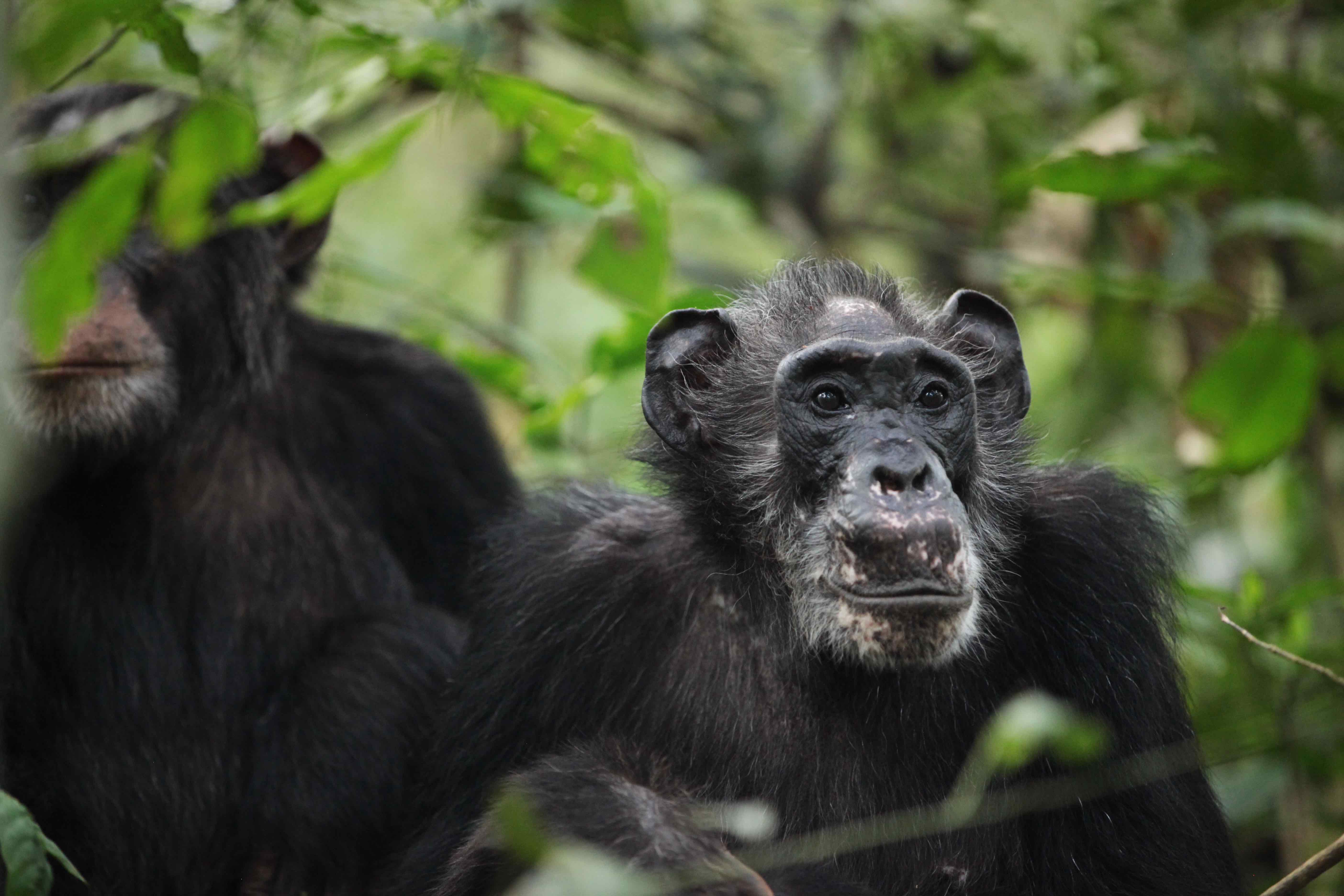
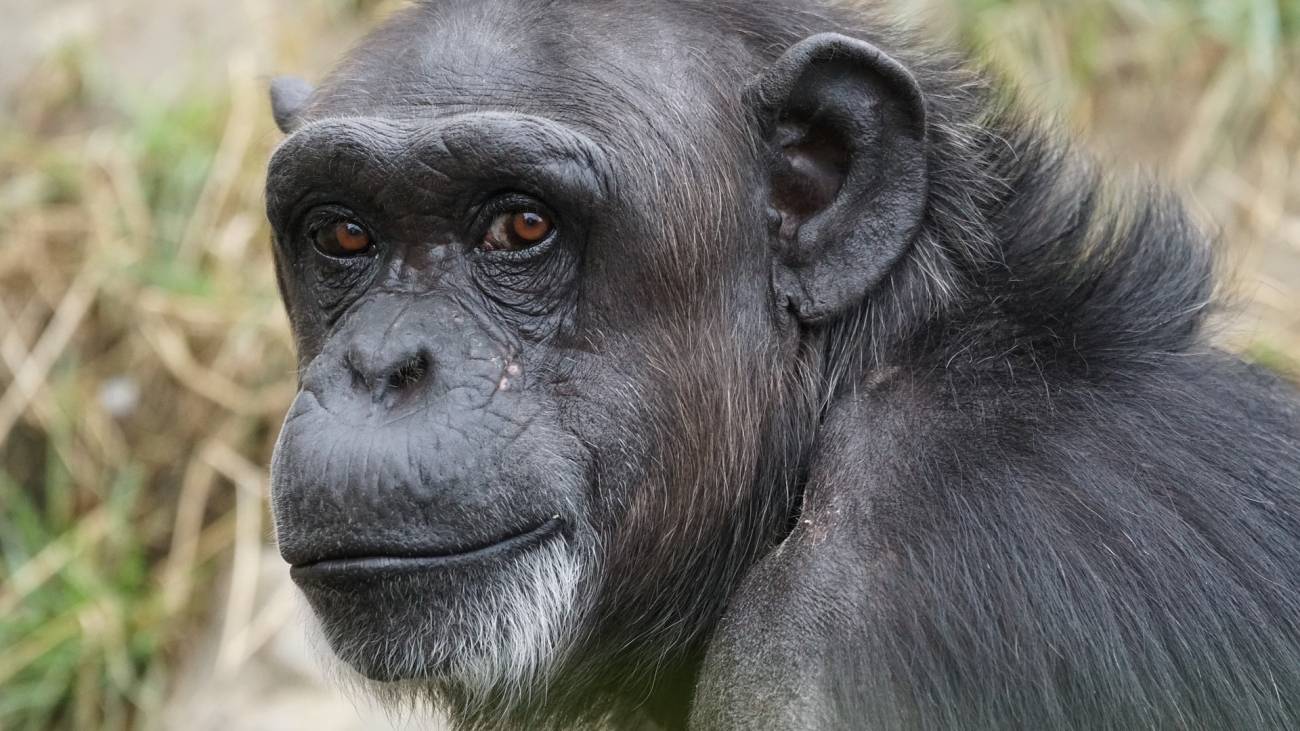
The vast majority of mammals remain fertile until the end of their lives. Humans and some species of whales deviate from that norm and do go through menopause. Now, research published in Science reveals that menopause exists in female chimpanzees, too, and that it lasts for a fifth of their adult lifespan. To reach these conclusions, the research team observed 185 female chimpanzees between 1995 and 2016 in Uganda's Kibale National Park and measured hormone levels in urine samples from specimens of various ages.

0

Reaction to study linking climate change with the descent to the ground of arboreal primates

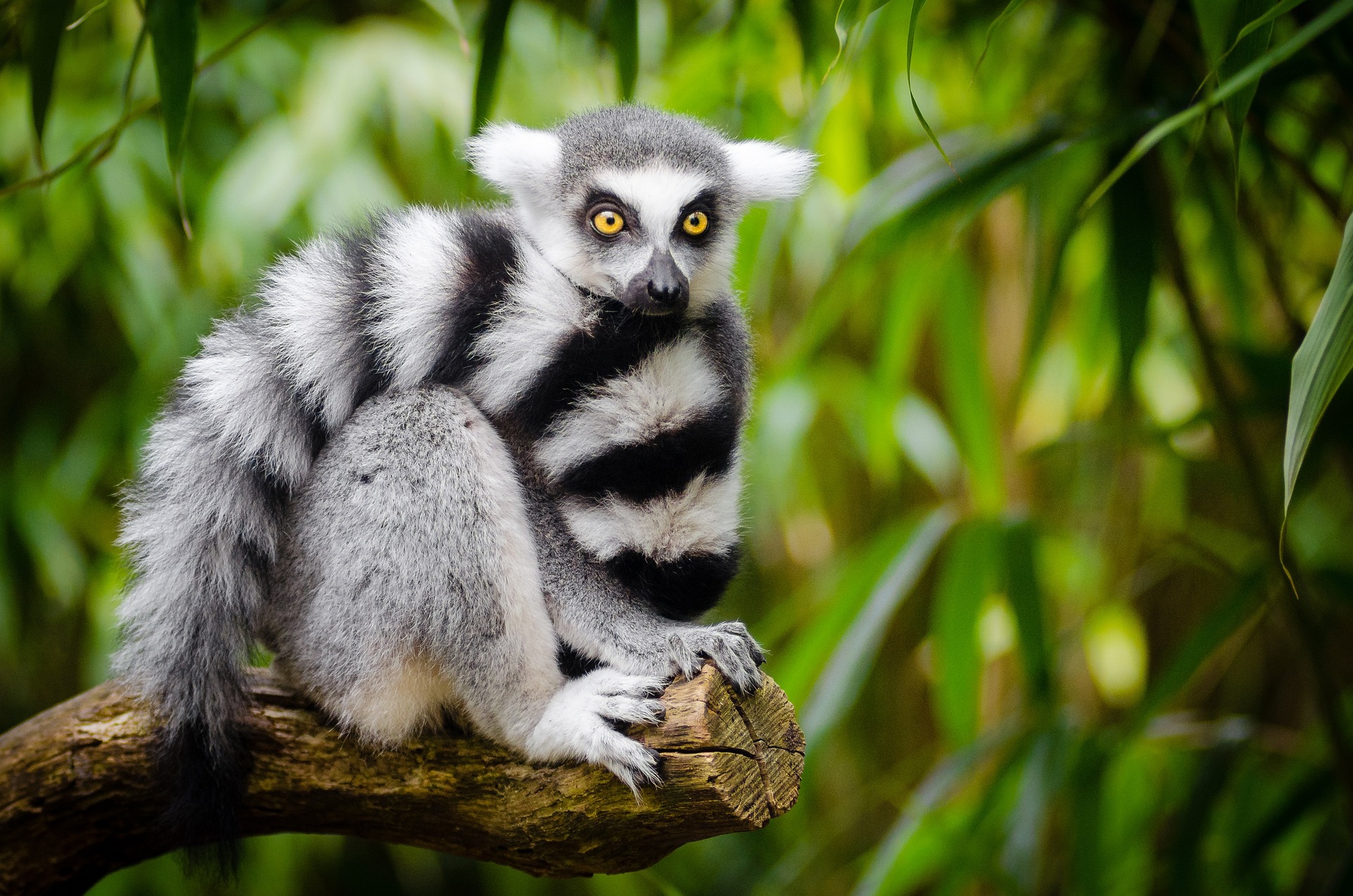
An international study published in the journal PNAS has associated deforestation and climate change with different species of monkeys and lemurs that usually live in trees spending more time on the ground. This implies that they would be exposed to a greater number of hazards. The research has taken place in 47 species in different parts of the Americas and Madagascar.

0