antropology

antropology

antropology

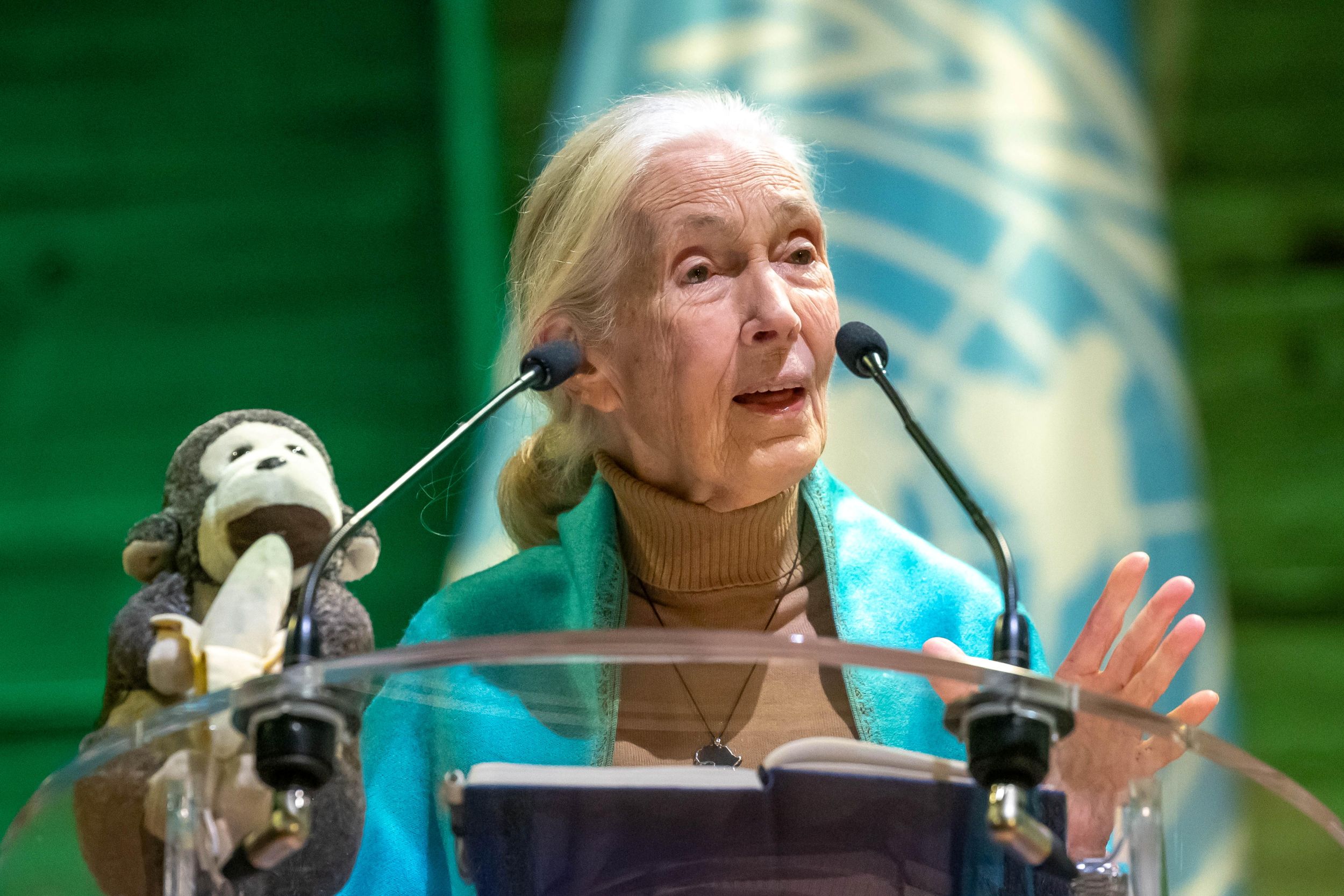
Jane Goodall, icon of primatology and environmentalism, dies

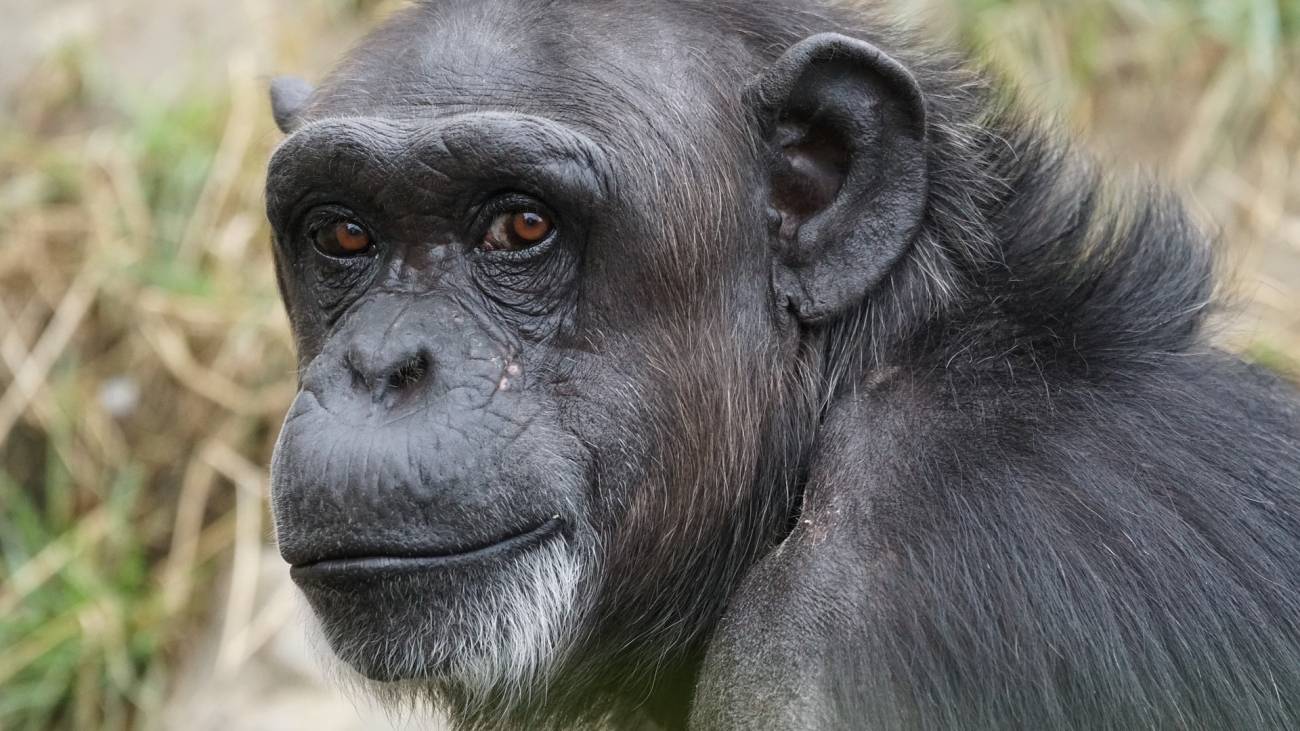
English ethologist Jane Goodall died on Wednesday at the age of 91 in California (United States), where she was participating in a lecture tour. This was announced by the Jane Goodall Institute on its social media. ‘Dr Goodall's discoveries as an ethologist revolutionised science and she was a tireless advocate for the protection and restoration of our natural world,’ the statement said. Her observations and analysis of chimpanzees in the wild over decades were a milestone in primatology.


0

Friendship is one of Spain's strengths for human flourishing, says international ranking

Among the factors affecting human flourishing, Spain has strengths such as friendship and balance in life, and weaknesses such as lack of perceived political voice as well as financial and material worries, according to an international study. The flourishing index is based on questionnaires completed by 200,000 people in 22 middle- and high-income countries. Spain ranks 14th in the ranking excluding financial indicators (ahead of Sweden and Germany), and 18th if financial indicators are considered (behind the same countries). The prosperity of Spanish youth is lower than in other age groups, adds the study published in Nature Mental Health

0

A genetic study of the human pelvis relates its shape to the health of the pelvic floor and the ease of childbirth

In humans, larger birth canals are associated with slower labour and less back pain, but a higher risk of osteoarthritis of the hip, while narrower birth canals are associated with a lower risk of pelvic floor disorders, but a higher risk of obstructed labour, according to one study. The analysis published in Science is based on genetic and clinical data and bone densitometry images from more than 31,000 people in the UK Biobank to identify 180 genetic positions associated with seven ‘highly heritable’ pelvic characteristics.

0

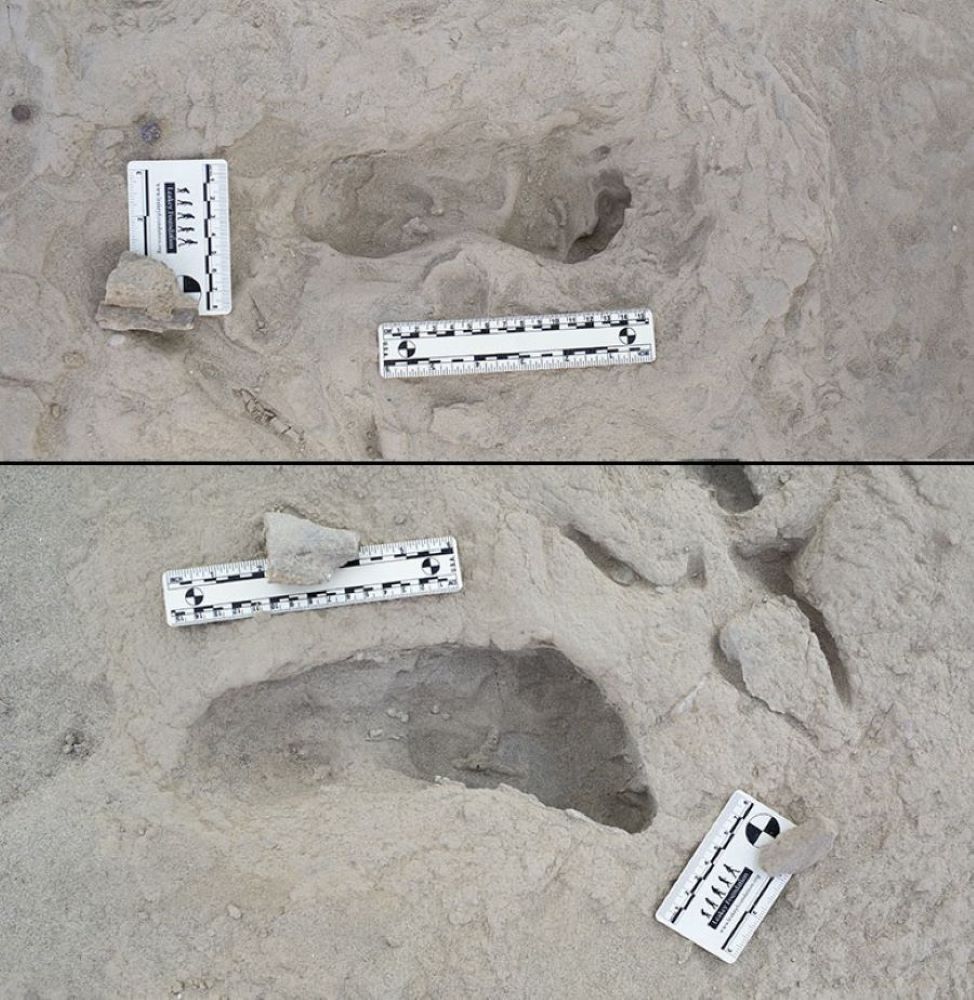
Footprints of coexistence of different hominids described in Kenya 1.5 million years ago

At least two hominin species - Homoerectus and Paranthropus boisei- coexisted in Kenya's Turkana Basin around 1.5 million years ago, a study published in Science confirms. The authors describe the first physical evidence of this coexistence in the form of footprints, found at several sites in the area.

0

Climate change and more destructive HLDD: are we prepared?

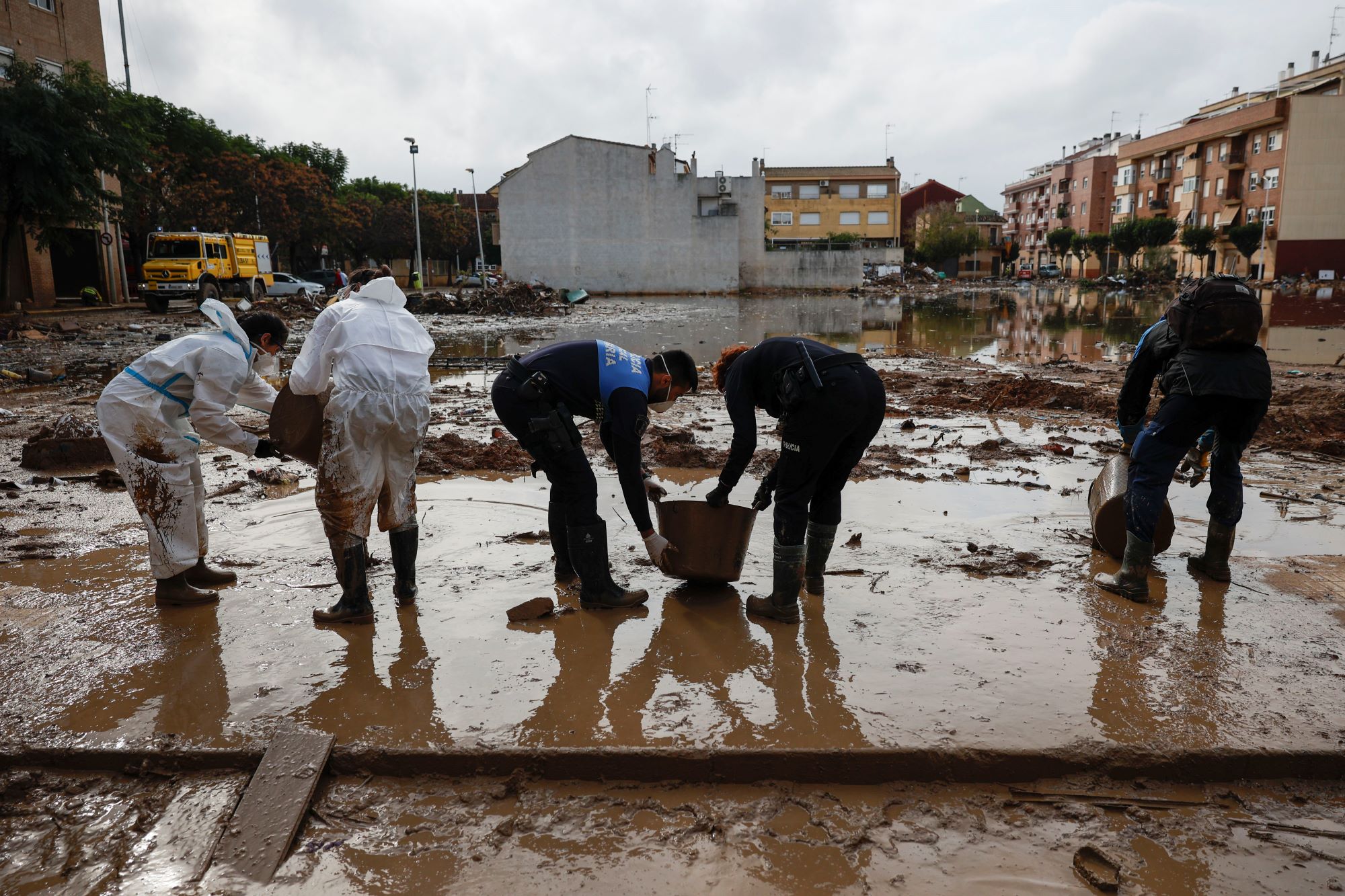
The DANA that devastated the province of Valencia on 29 October, leaving more than 200 people dead and many missing, has been followed by another one, still located over the peninsula. How can we adapt to these extreme phenomena? What repercussions do they have on public health? How can the public prepare for them? The Science Media Centre España organised a briefing session with two experts and an expert from the CSIC to discuss these questions. 

0

Reactions to study finding remains of foetuses and babies with Down's and Edwards' syndromes thousands of years old

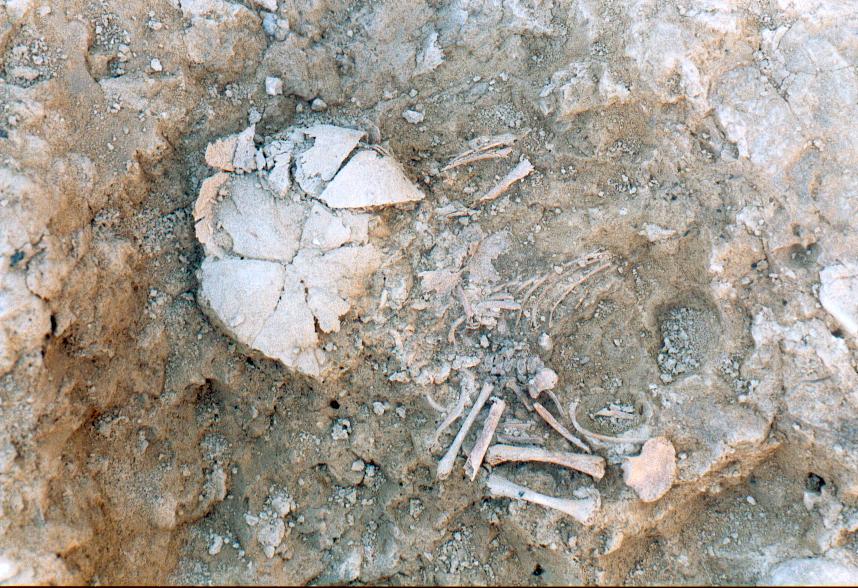
A team of researchers led by the Max Planck Institute for Evolutionary Anthropology in Germany has analysed nearly 10,000 ancient genomes and found six cases of people with Down's syndrome and one with Edwards' syndrome. Most of them died before or shortly after birth. The findings correspond to different periods up to 5,500 years old and several of them have been found in Navarra. According to the authors, "the care with which the burials were carried out and the objects found with these individuals indicate that ancient societies probably treated people with trisomies 18 and 21 as members of their communities". The findings are published in Nature Communications.

0