gender

gender

gender

Women remain underrepresented in clinical trials for cardiovascular diseases

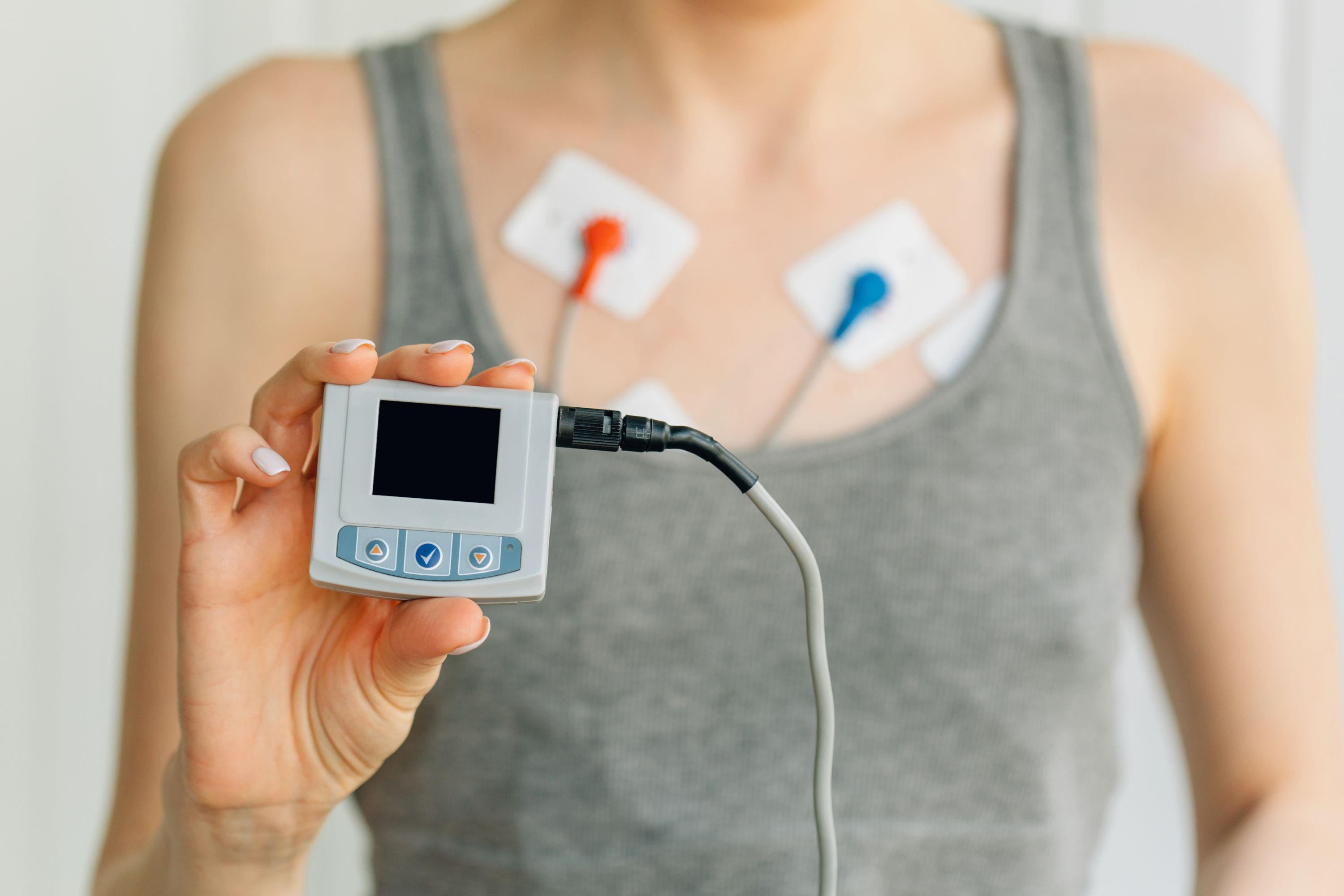
An international team has analysed gender representation in more than 1,000 clinical trials on cardiovascular disease between 2017 and 2023, involving more than one million people. Although female participation has increased, especially in areas such as obesity and heart failure, women continue to be underrepresented overall compared to men. The results, presented at the European Society of Cardiology (ESC) Congress held in Madrid from 29 August to 1 September, are published in JAMA Network Open.

0

Study questions the social dominance of males in most primate societies

An international team has studied dominance relationships between the sexes in 253 populations of 121 different primate species. The data collected indicate that clear dominance by one sex or the other is rare, despite the fact that it was long believed that males dominated females socially in most of them. According to the press release accompanying the paper, the work “challenges traditional views on the natural origins of gender roles.” The results are published in the journal PNAS

0

Let's protect diverse science

Trump's measures are directly affecting trans and non-binary people in science. This uncomfortable mirror is not unique to the United States. International studies have documented how the LGTBIQA+ community in science experiences less safe working environments, greater discrimination and more frequent abandonment of academic careers. Better science will only be possible if it protects and celebrates all the people who make it possible.

1

Inequalities in the medical profession: why women fail to reach leadership positions

Every 11 February is celebrated as World Medical Women's Day, which coincides with the International Day of Women and Girls in Science, although its commemoration refers to Elizabeth Blackwell, the first woman to obtain a medical degree in the USA, in 1849. More than a century and a half later, despite the increasing number of women graduates, inequalities persist in the profession, especially in senior positions.

0

Women scientists contribute less than male researchers as expert media sources; barriers include lack of time due to family responsibilities, SMC Spain survey shows

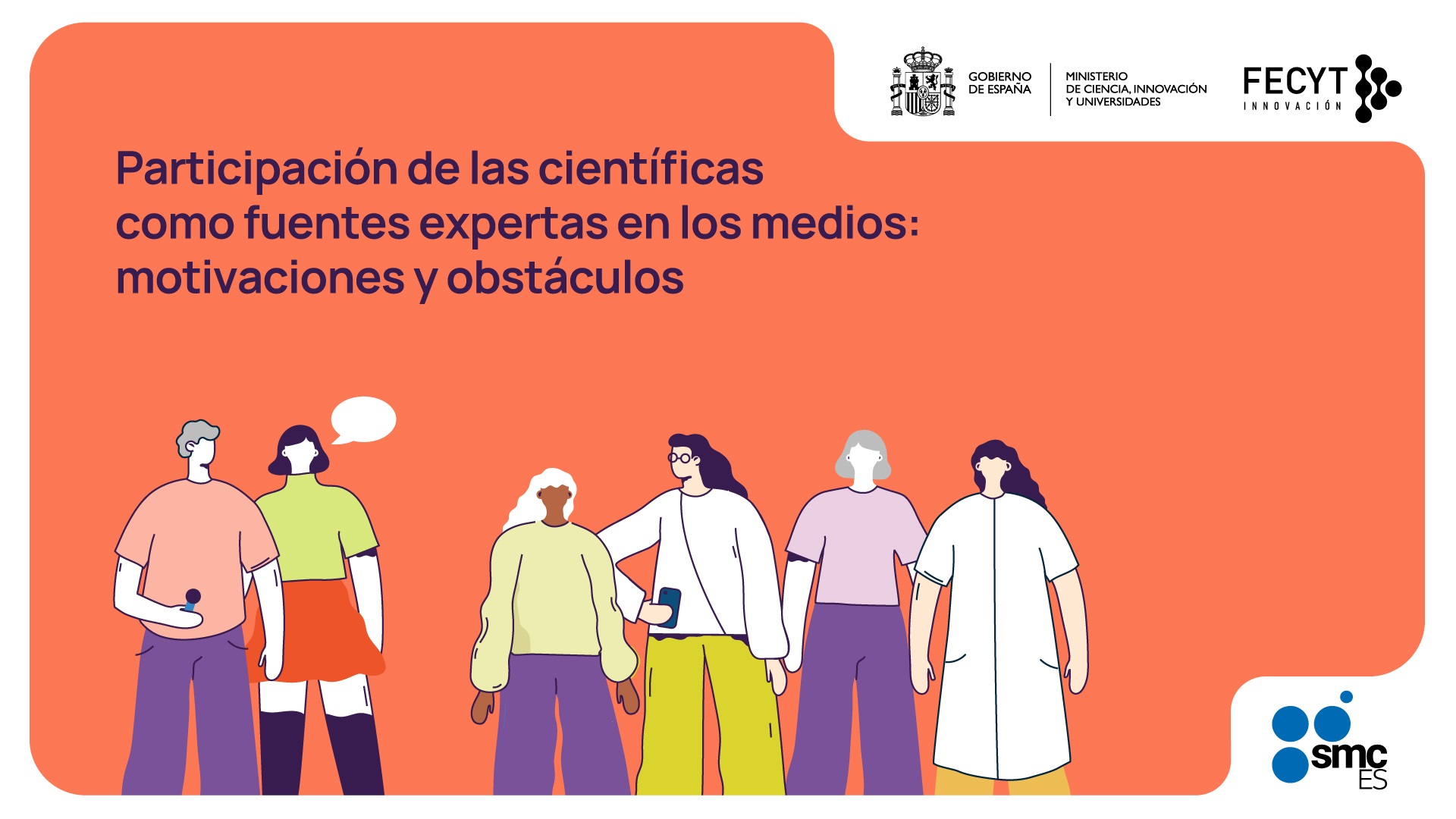
The report Participation of women scientists as expert sources in the media: motivations and obstacles, carried out by FECYT's SMC España with the Gureiker research group (UPV/EHU) analyses the data from a survey, a pioneer in Spain, on the factors that influence the media participation of scientists as expert voices. All the people contacted as information sources by the SMC Spain team were surveyed over a three-month period, starting in March 2024. Of the sources consulted, 43.91% were women and 56.09% were men. However, of the total number of people who accepted SMC's proposals and appeared as sources, 37.66% were women and 62.34% were men. The greater media exposure of male scientists benefits them for future interventions. In terms of barriers that prevent researchers from speaking in the media, lack of time due to family responsibilities affects female scientists (22.95 % of respondents) more than male scientists (10 %).  

0

Revealing a female-centred society during the Iron Age

An international team of geneticists and archaeologists has analysed more than 50 ancient Iron Age genomes from an area of southern Britain. Their conclusions are that they belonged to a matrilocal society, in which land was inherited through the female line and husbands moved in with the community of their wives. The results are published in the journal Nature and would be the first such finding in prehistoric Europe.

0

Wildlife surveillance technology used to observe women without their consent

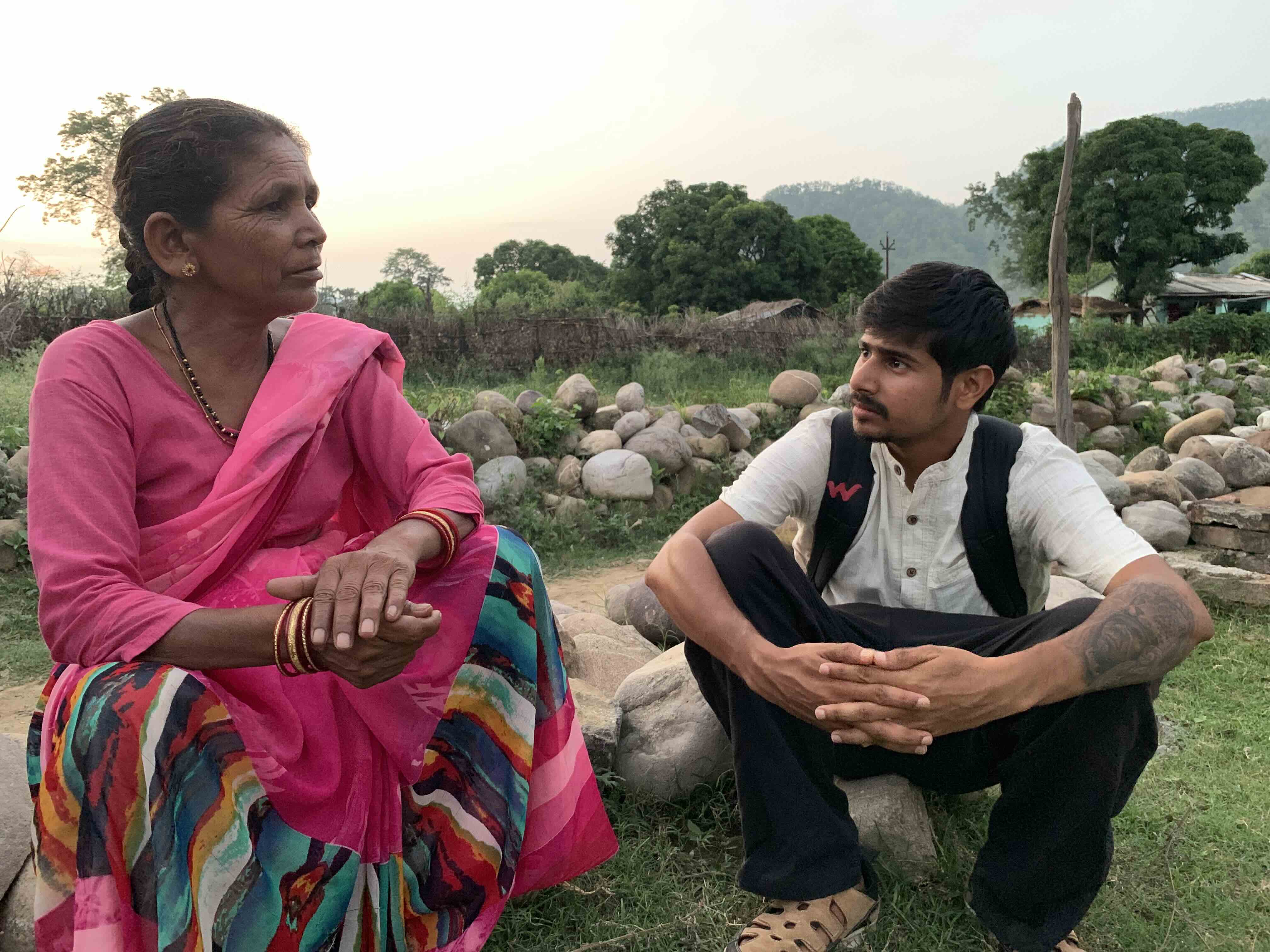
En un parque nacional del norte de la India, una investigación ha revelado que hay hombres que usan las tecnologías de vigilancia de la fauna para observar a mujeres sin su consentimiento e intimidarlas. El estudio, realizado por la Universidad de Cambridge (Reino Unido), describe cómo individuos de pueblos cercanos al bosque y de gobiernos locales hacen un mal uso de cámaras, grabadoras de sonido y drones, originalmente destinados a vigilar áreas protegidas con fines de conservación de animales. Esas tecnologías “son fácilmente captadas para fines ajenos a la conservación que refuerzan normas patriarcales y propagan la violencia estructural de género”, denuncia la investigación, que se publica en Environment and Planning F

0

Living in a state reduced the risk of lethal violence against women in pre-Hispanic Andean societies

In pre-Hispanic Andean societies, the gender of individuals and the political organisation of the region where they lived had a major impact on the physical violence they experienced, says a study published in PNAS. Living in a state ‘drastically’ reduced the likelihood of lethal violence for women, but not for men. The study analysed archaeological data from more than 8,600 adults collected in 169 studies and dating from 155 sites.

0

How gender roles influence Alzheimer’s disease and why it must be investigated

Men and women could develop Alzheimer’s disease through different mechanisms. Understanding these differences is essential to design specific interventions and to treat the disease effectively. In an article published in Alzheimer’s and Dementia: The Journal of the Alzheimer’s Association, a group of researchers, including myself, have highlighted the urgency of adding a sex and gender approach to the studies on this pathology.

1

A quarter of teenage girls who have been in a relationship worldwide have experienced partner violence by a male

24% of girls aged 15 to 19 who have been in a relationship have experienced physical or sexual violence by a male partner at some point in their lives, according to a global study with data from 161 countries between 2000 and 2018. Spain is in the group with the lowest prevalence (12% over their lifetime; 4% in the previous year), according to 2015 data. There is less violence against girls in countries with higher incomes, higher rates of girls in secondary education, and greater gender equality in inheritance laws, says the study published in The Lancet Child & Adolescent Health. 

0