computer science

computer science

computer science

Only 54% of electronic waste is collected correctly in Europe
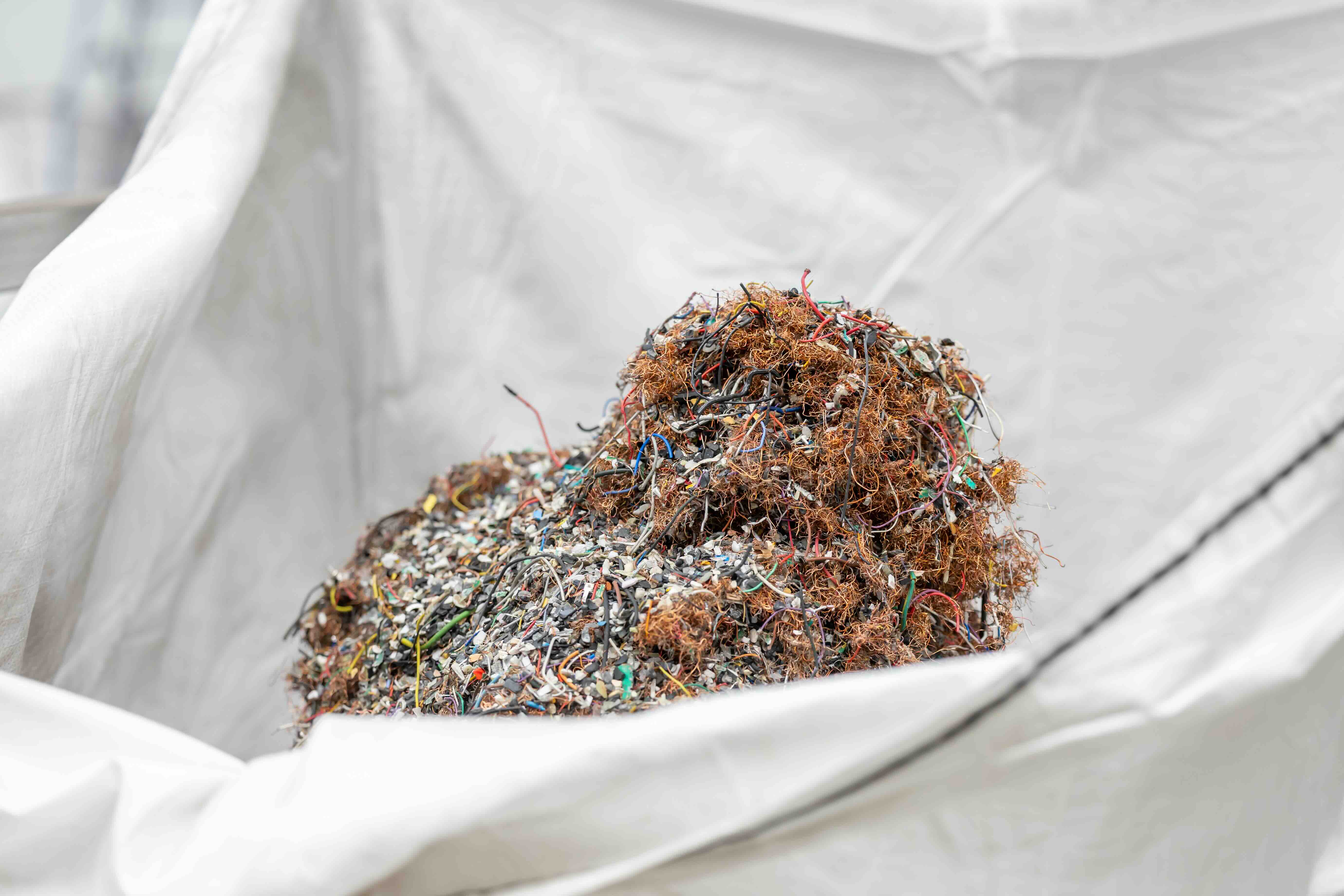
In 2050, the total volume of waste electrical and electronic equipment in Europe will reach between 12.5 and 19 million tonnes, compared to 10.7 million tonnes – around 20 kilograms per person – in 2022, according to the report 2050 Critical Raw Materials Outlook for Waste Electrical and Electronic Equipment. Of this volume, only 54% was collected and treated correctly in 2022. Furthermore, of the one million metric tonnes of critical raw materials such as copper, aluminium and silicon present in this waste, less than half was successfully recovered, according to the report's estimates.

0

The use of technology can reduce the risk of cognitive impairment in people over 50

According to a meta-analysis published in Nature Human Behaviour, the widespread use of digital technology may be associated with lower rates of cognitive decline in people over the age of 50. The results of the study — which analysed 57 studies involving more than 400,000 people with an average age of 69 — seem to contradict the hypothesis that the daily use of technology weakens cognitive ability.

0

Increased daily screen time associated with risk of developing myopia

A meta-analysis that included 45 studies involving more than 330,000 people has analysed the association between the time spent exposed to digital screens and the risk of developing myopia. The results of the study, published in JAMA Network Open, show that the risk of myopia increased significantly by just over 20% for every hour of daily use after the first hour.

0

Study analyses relationship between toddlers' use of screens and language skills

Toddlers' screen time has a negative correlation with their language skills, according to a study published in PLoS ONE. However, the use of educational content and screen time in the company of adults show a positive association with language skills. The study included nearly 1,900 children between one and four years old from 19 Latin American countries.

0

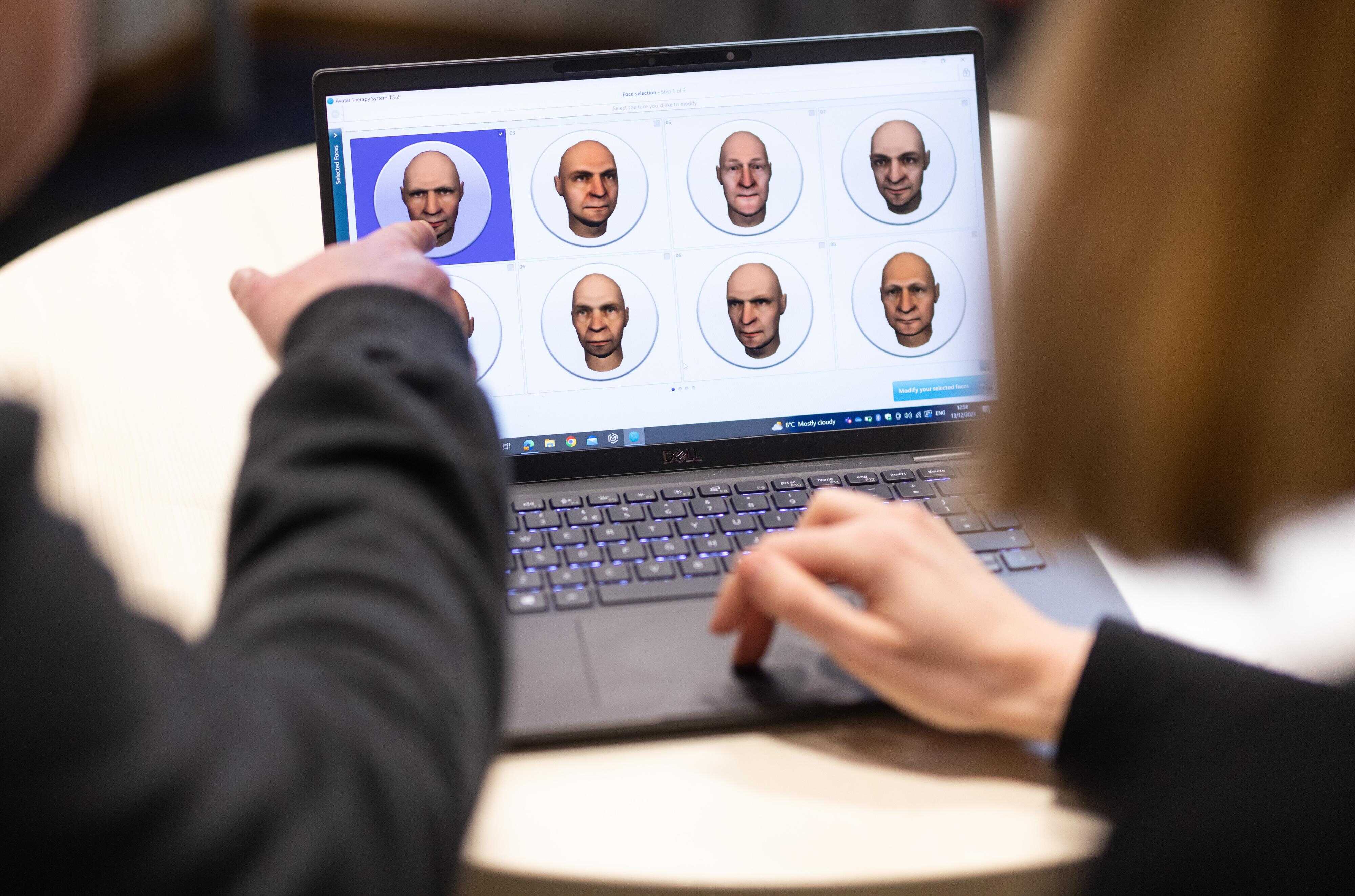
Clinical trial tests digital avatar to treat voices in people with psychosis

A team of researchers from the United Kingdom has conducted a phase 2/3 clinical trial in people with a psychotic disorder to study the efficacy of interaction with a digital avatar in alleviating the discomfort generated by hearing voices. After analyzing it in 345 people, they conclude that it can reduce the frequency of occurrence at 16 and 28 weeks. The discomfort provoked is reduced at 16 weeks, but not at 28 weeks. The team publishes the results in the journal Nature Medicine.

0

Worsens the reliability of large language models, such as generative AI

Large language models - Artificial Intelligence (AI) systems based on deep learning, such as the generative AI that is ChatGPT - are not as reliable as users expect. This is one of the conclusions of international research published in Nature involving researchers from the Polytechnic University of Valencia. According to the authors, in comparison with the first models and taking into account certain aspects, reliability has worsened in the most recent models, such as GPT-4 with respect to GPT-3.

0

Reactions: e-waste generated worldwide in 2022 increased by 82% compared to 2010

In 2022, 62 million tonnes of e-waste were generated worldwide, a figure 82% higher than the 34 million tonnes recorded in 2010, according to a United Nations report. The 2022 figure represents an average of 7.8 kilograms per capita per year worldwide, compared to 19.6 kg in Spain. Only 22.3% of this amount of global e-waste was documented as properly collected and recycled, says the Global E-waste Monitor 2024. 

0

Reaction: An artificial intelligence method shows human-like generalization ability

In a work published in the journal Nature, two researchers from New York University (USA) and Pompeu Fabra University in Barcelona claim to have demonstrated that an artificial neural network can have systematic generalization capabilities similar to human ones, that is, to learn new concepts and combine them with existing ones. This statement calls into question the 35-year-old idea that neural networks are not viable models of the human mind.

0