behavioural sciences

behavioural sciences

behavioural sciences

Medicines for obesity control are associated with a healthier shopping basket

Glucagon-like peptide-1 (GLP-1) receptor agonist drugs, used to control obesity and type 2 diabetes, are associated with changes in food purchasing in favour of healthier options. This result, published in the journal JAMA Network Open, was obtained by analysing nearly two million shopping receipts from more than 1,100 participants in Denmark. Those who started treatment with GLP-1 drugs began to make purchases with fewer calories, sugars, saturated fats and carbohydrates, along with a modest increase in protein content. A decrease in the purchase of ultra-processed foods was also observed.

0

Pop lyrics increasingly talk about stress and are more negative, except in times of social crisisomentos de crisis social

A study published in the journal Scientific Reports reveals an increase in simplicity, negativity, and stress-related words in pop song lyrics in the United States over the last few decades. The authors also conclude that this phenomenon was attenuated in times of social crisis, such as the COVID-19 pandemic, which ‘highlights the role of music in both shaping and reflecting moods.’ The data included more than 20,000 songs from the US charts between 1973 and 2023. 

0

Two macaques can tap to the beat of music in an experimental study

Gilberto and Tomás are two macaques trained to synchronise their movements with the rhythm of a metronome, who were also able to tap to a musical beat, according to a study published in Science. This result contradicts the vocal learning hypothesis, according to which only species capable of complex vocalisations can perceive and follow a musical rhythm.

0

Traumatised puppies more likely to be fearful or aggressive in adulthood

Puppies that suffer traumatic experiences are more likely to be fearful or aggressive in adulthood, according to a study published in Scientific Reports. The analysis is based on data from nearly 4,500 dogs whose owners completed a canine behaviour assessment questionnaire. The authors analysed correlations between behaviours, such as biting or retreating, and early experiences of abuse or neglect, and found that some breeds are more resilient and others more vulnerable. 

0

Jane Goodall, icon of primatology and environmentalism, dies

English ethologist Jane Goodall died on Wednesday at the age of 91 in California (United States), where she was participating in a lecture tour. This was announced by the Jane Goodall Institute on its social media. ‘Dr Goodall's discoveries as an ethologist revolutionised science and she was a tireless advocate for the protection and restoration of our natural world,’ the statement said. Her observations and analysis of chimpanzees in the wild over decades were a milestone in primatology.


0

Study questions the social dominance of males in most primate societies

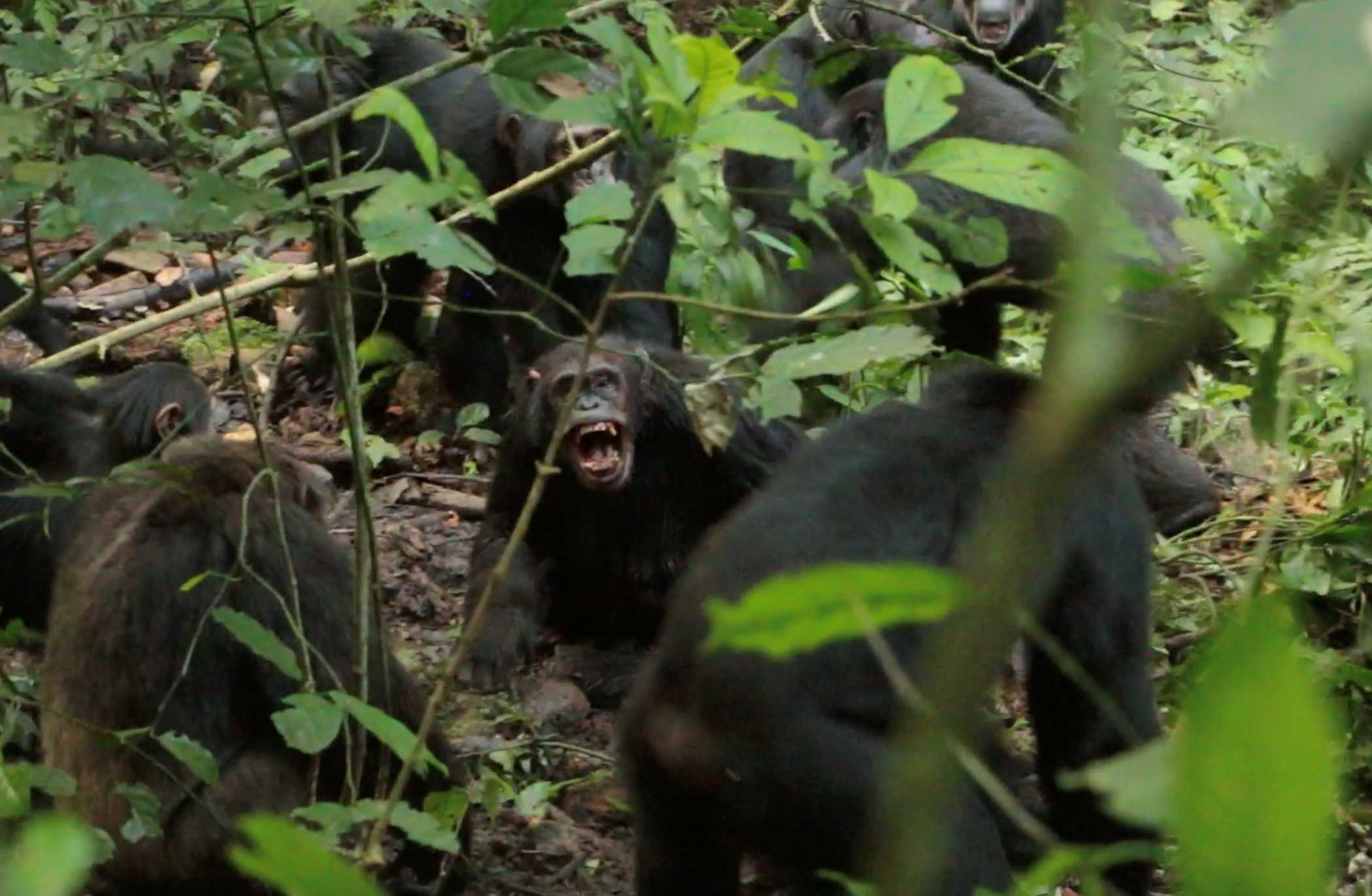
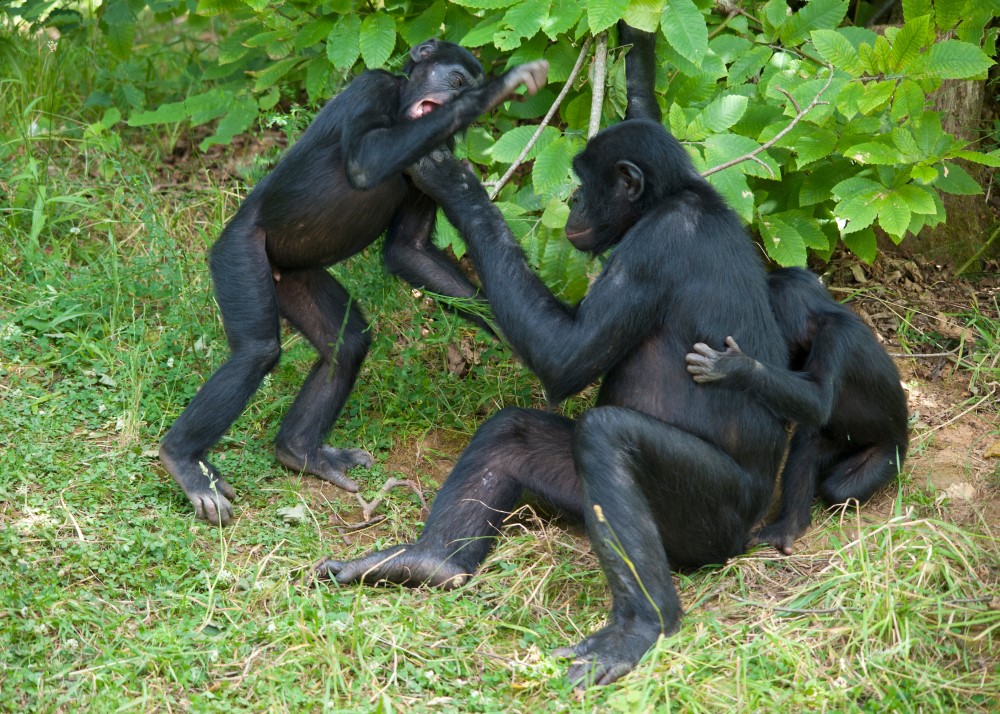
An international team has studied dominance relationships between the sexes in 253 populations of 121 different primate species. The data collected indicate that clear dominance by one sex or the other is rare, despite the fact that it was long believed that males dominated females socially in most of them. According to the press release accompanying the paper, the work “challenges traditional views on the natural origins of gender roles.” The results are published in the journal PNAS

0

One in six people worldwide suffered from loneliness in the last decade

From 2014 to 2023, one in six people in the world suffered from loneliness, according to a World Health Organisation report, which outlines the causes of this phenomenon and its multiple impacts: on physical and mental health and mortality, as well as on work and the economy. The report estimates that loneliness is linked to more than 871,000 deaths per year and highlights a higher incidence among young people and in low- and middle-income countries.

0

In online debates, GPT-4 can be more persuasive than humans

In online debates, Large Language Models (LLMs, i.e. Artificial Intelligence systems such as ChatGPT) are more persuasive than humans when they can personalise their arguments based on their opponents’ characteristics, says a study published in Nature Human Behaviour which analysed GPT-4. The authors urge researchers and online platforms to ‘seriously consider the threat posed by LLMs fuelling division, spreading malicious propaganda and developing adequate countermeasures'.

0

Friendship is one of Spain's strengths for human flourishing, says international ranking

Among the factors affecting human flourishing, Spain has strengths such as friendship and balance in life, and weaknesses such as lack of perceived political voice as well as financial and material worries, according to an international study. The flourishing index is based on questionnaires completed by 200,000 people in 22 middle- and high-income countries. Spain ranks 14th in the ranking excluding financial indicators (ahead of Sweden and Germany), and 18th if financial indicators are considered (behind the same countries). The prosperity of Spanish youth is lower than in other age groups, adds the study published in Nature Mental Health

0