astronomy

astronomy

astronomy

A Spanish team has discovered a decagonal wave at Saturn’s south pole for the first time
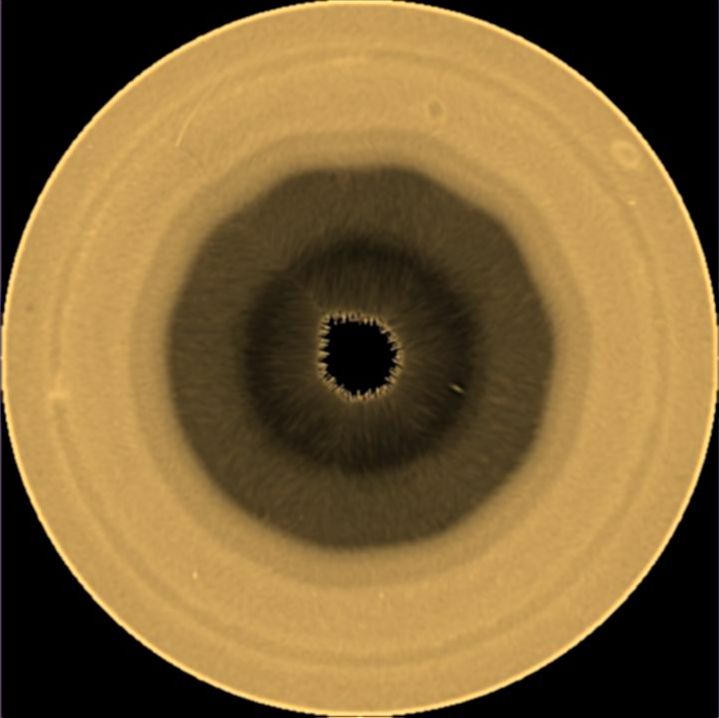
Thanks to the Voyager probe, we know that Saturn has a long-lasting hexagonal wave at its north pole, which is linked to a powerful jet of matter and energy. Now, a team led by the University of the Basque Country has discovered, for the first time, the presence of a decagonal wave at the south pole. The observations, carried out from the ground and using the Hubble Space Telescope, show that the decagon appears to have formed between 2023 and 2025 and may continue to evolve, in contrast to the more than 40 years of stability exhibited by the hexagon. The research is published in Science Advances and suggests that the ten-sided shape could be a meandering wave trapped by the curvature of a dominant atmospheric current.

0
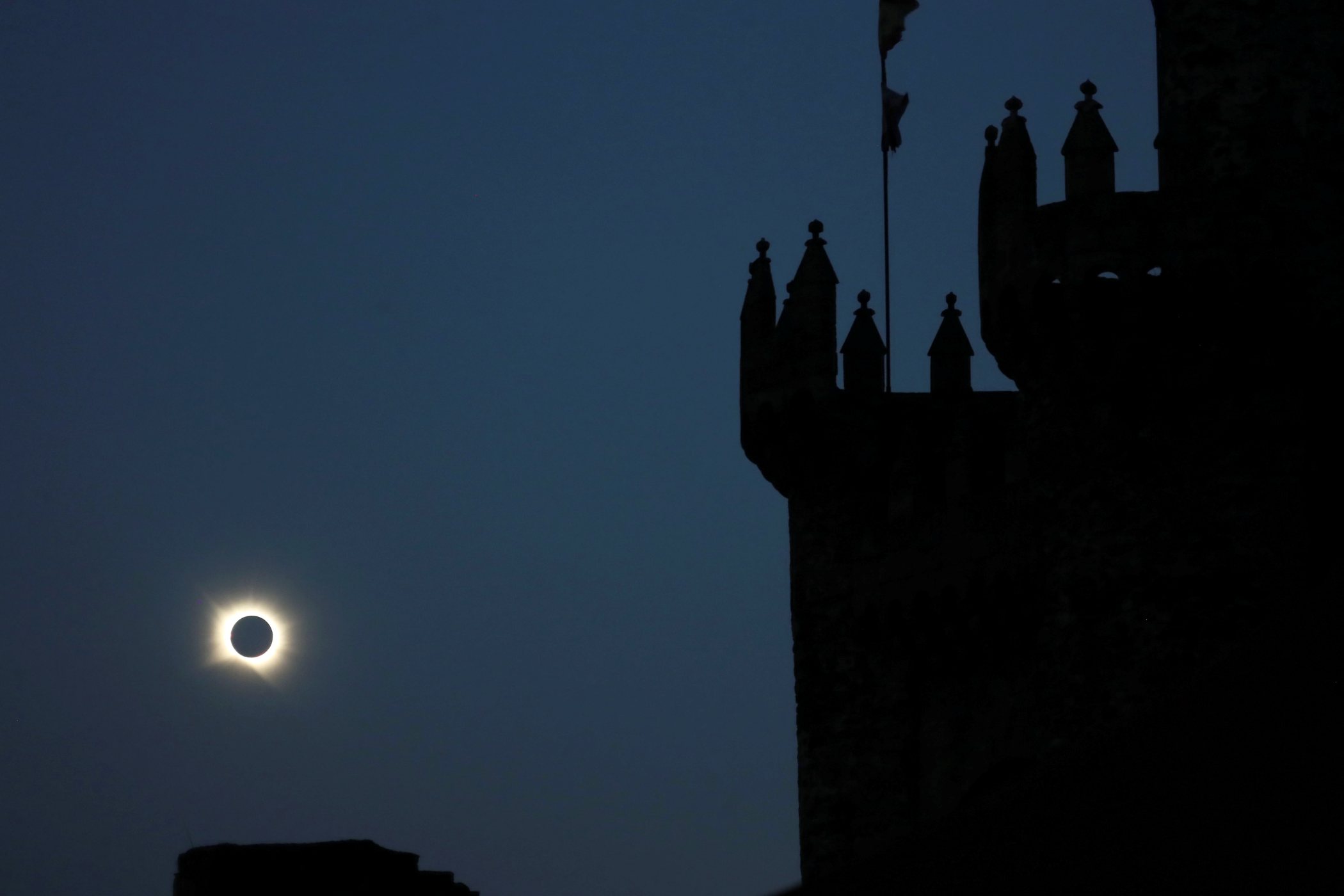
How the solar eclipse was experienced from different parts of Spain

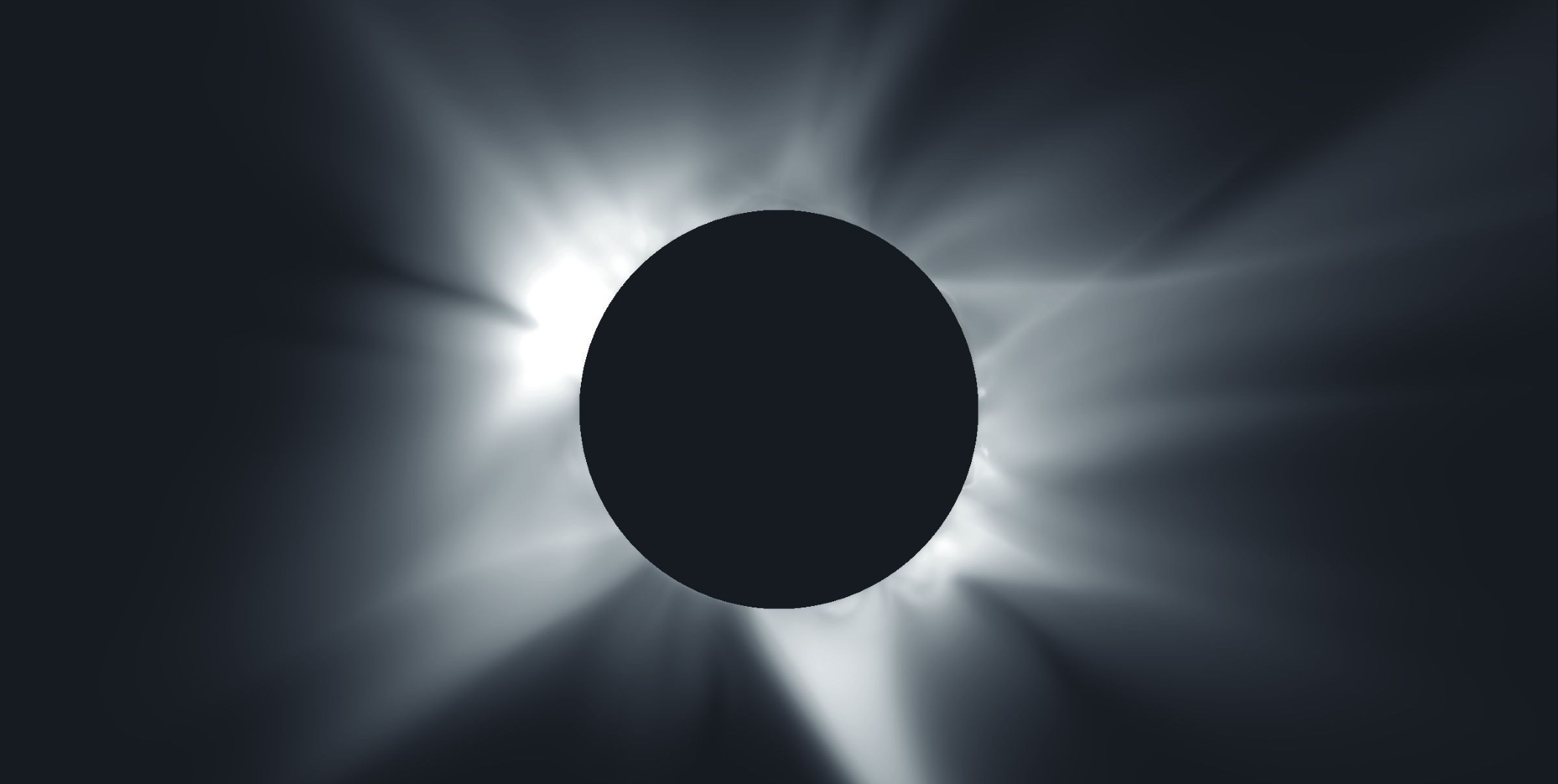
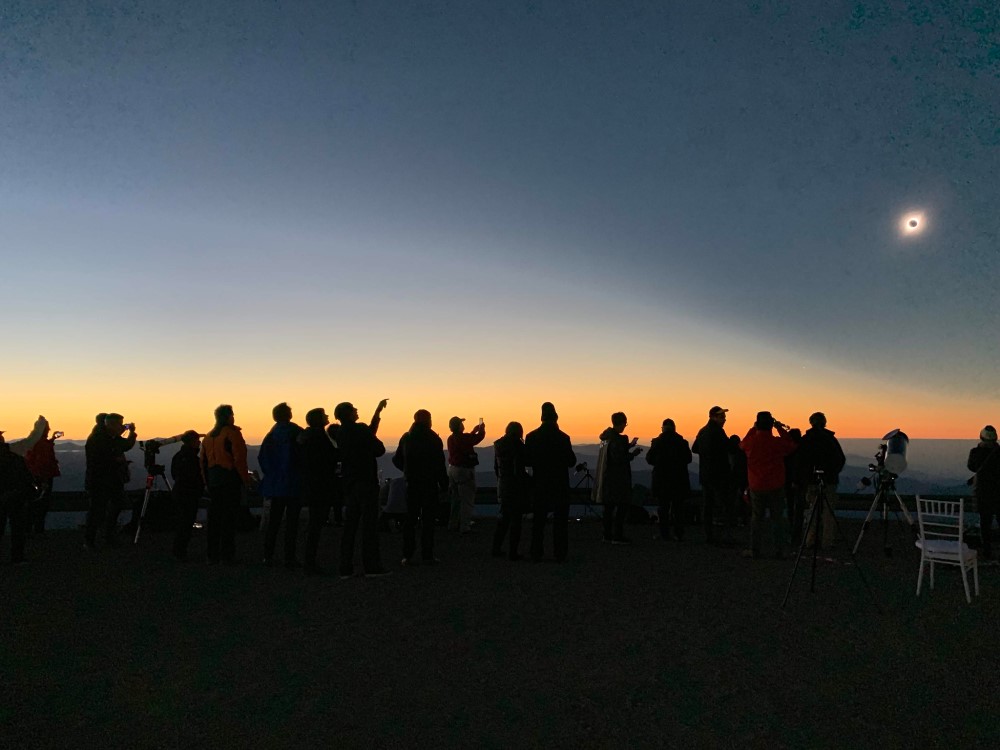
We hadn’t seen a total solar eclipse on the Iberian Peninsula since 1912, and this Wednesday, just before sunset, the celestial bodies aligned once more. That perfect cosmic dance between the Sun, the Moon and the Earth could be seen from numerous regions across Spain. Among the millions of people who observed the phenomenon in Spain, eclipse experts share their impressions with SMC Spain.


0

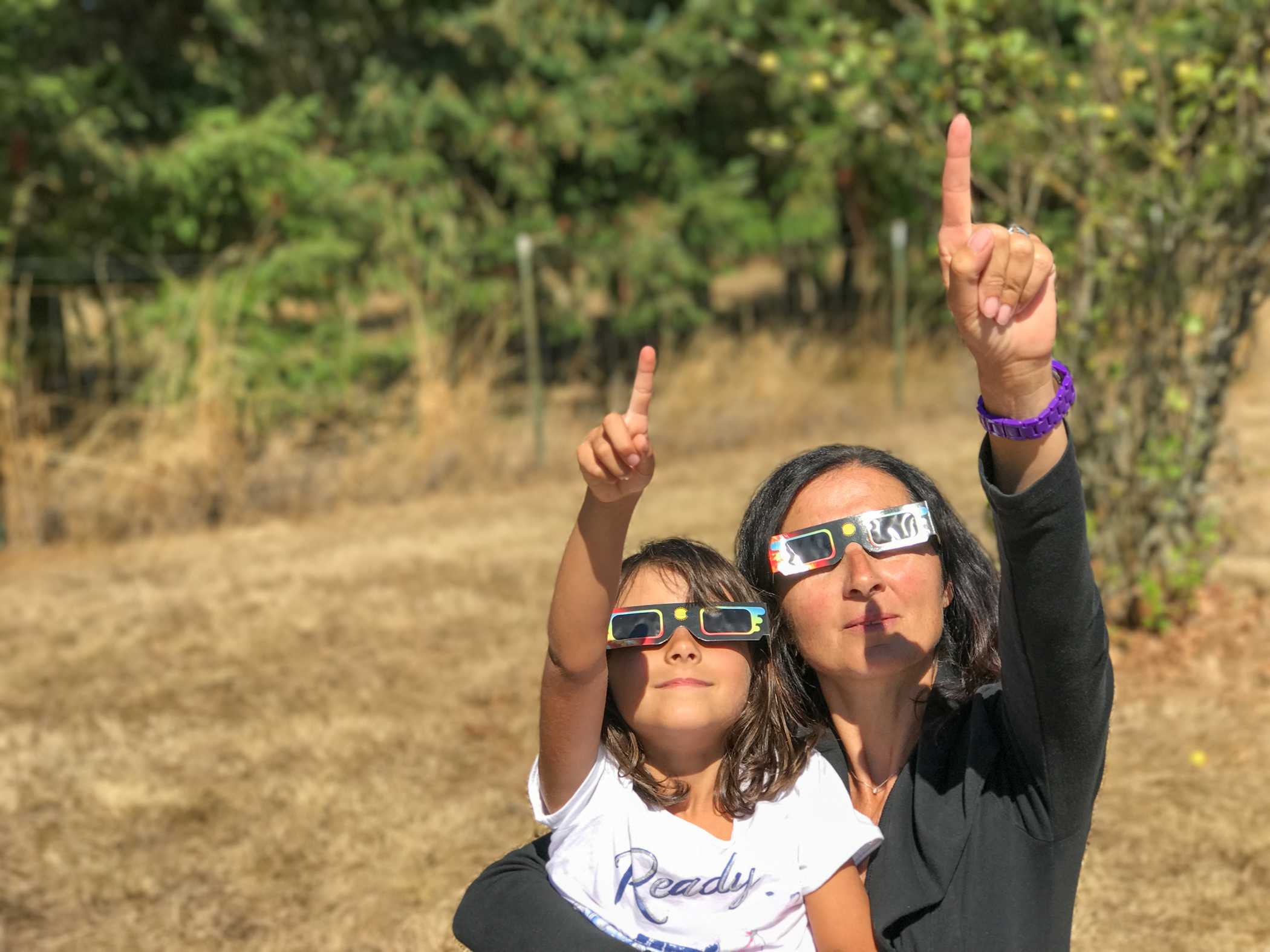
Recommendations for watching the upcoming solar eclipse safely and enjoyably

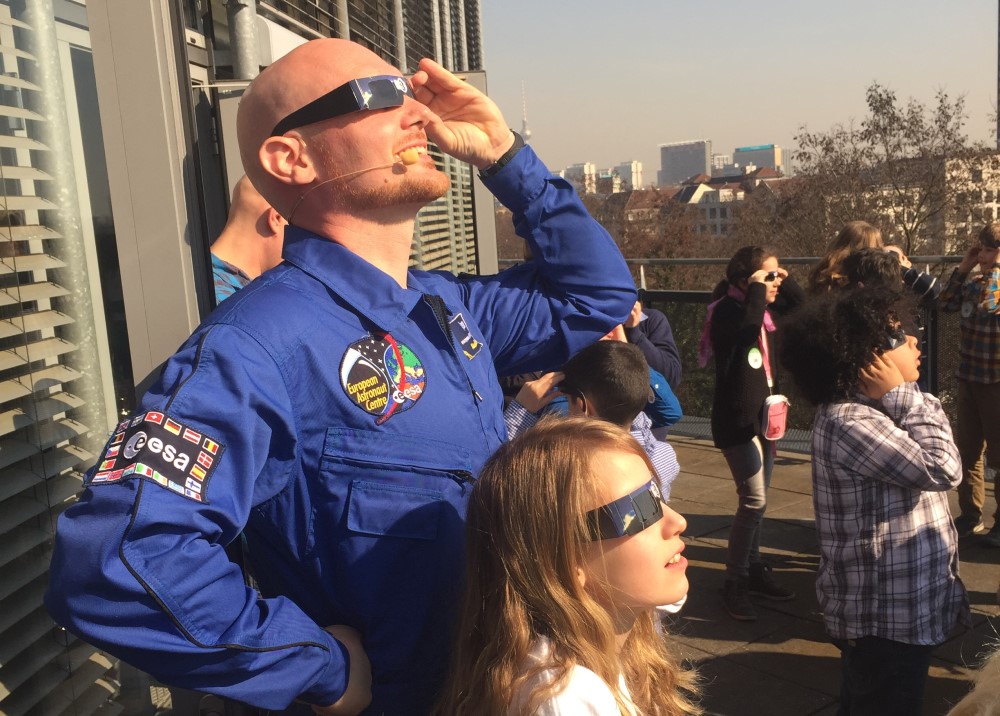
There are just a few days to go until 12 August, when we’ll be able to enjoy the first of the three eclipses we’ll see in Spain. This is a total solar eclipse — the Moon will completely cover the Sun’s disc — something not seen on the Iberian Peninsula since 1912. Experts from different regions of Spain with extensive experience in observing eclipses offer their recommendations. Choosing the right viewing spot, using approved eclipse glasses, coping with the heat and respecting the natural environment are key to observing the eclipse safely and enjoying the experience.


0

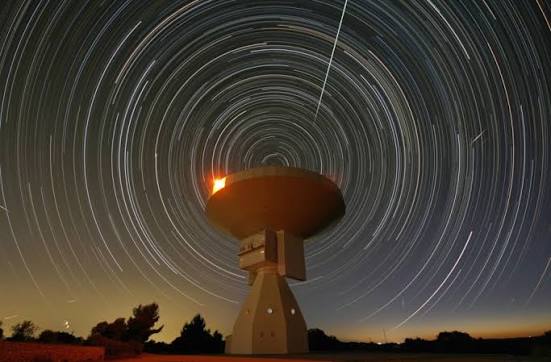
Sugar has been detected in interstellar space by the radio telescopes at Yebes in Guadalajara and Pico Veleta in the Sierra Nevada

A team led by a Spanish researcher has identified, near the centre of the Milky Way, a type of sugar composed of four carbon atoms, known as erythrulose, which on Earth is found in raspberries and self-tanning products. This would suggest that complex and biologically relevant molecules can form in space. Ribose and glucose had previously been discovered in samples from meteorites and asteroids, but until now no sugar had been directly detected in the interstellar medium. The finding is published in Nature Astronomy.

0

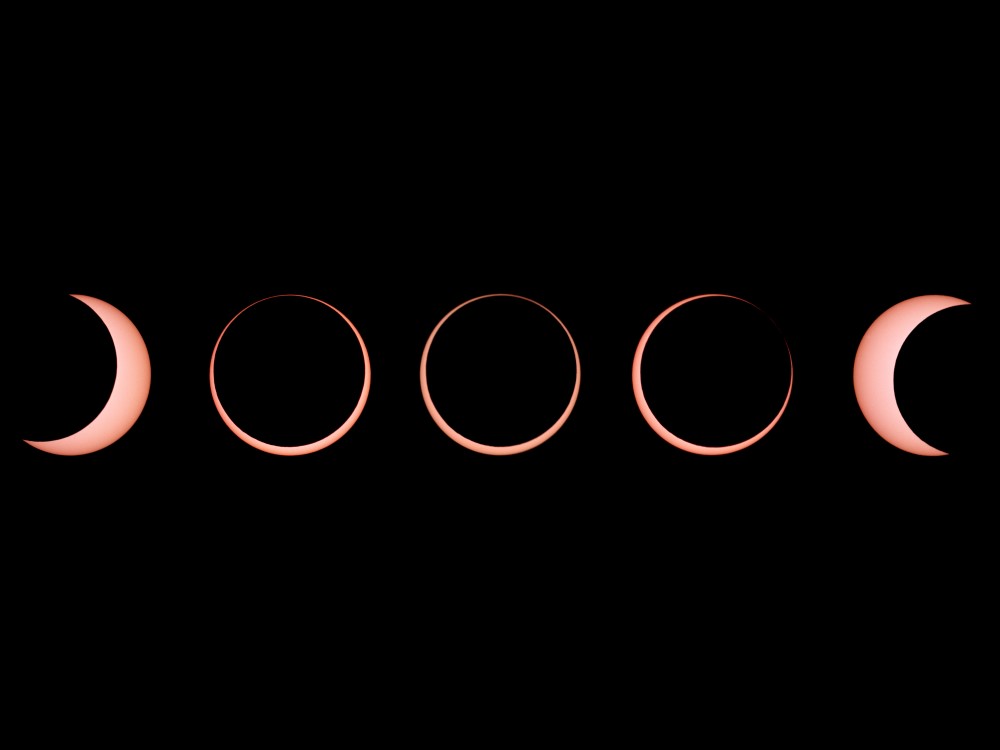
Why aren’t there eclipses every month? The most common misconceptions and how to debunk them inside and outside the classroom

Why do eclipses occur? Is the Earth’s shadow responsible for the phases of the Moon? Is the Moon full during a solar eclipse? These are by no means obvious questions, yet they are extremely useful in teaching astronomy for identifying the obstacles we encounter when thinking about celestial mechanics, regardless of age or educational background. Here are several suggestions for untangling the most common misconceptions and understanding the cosmic dance of the stars as seen from Earth.

1

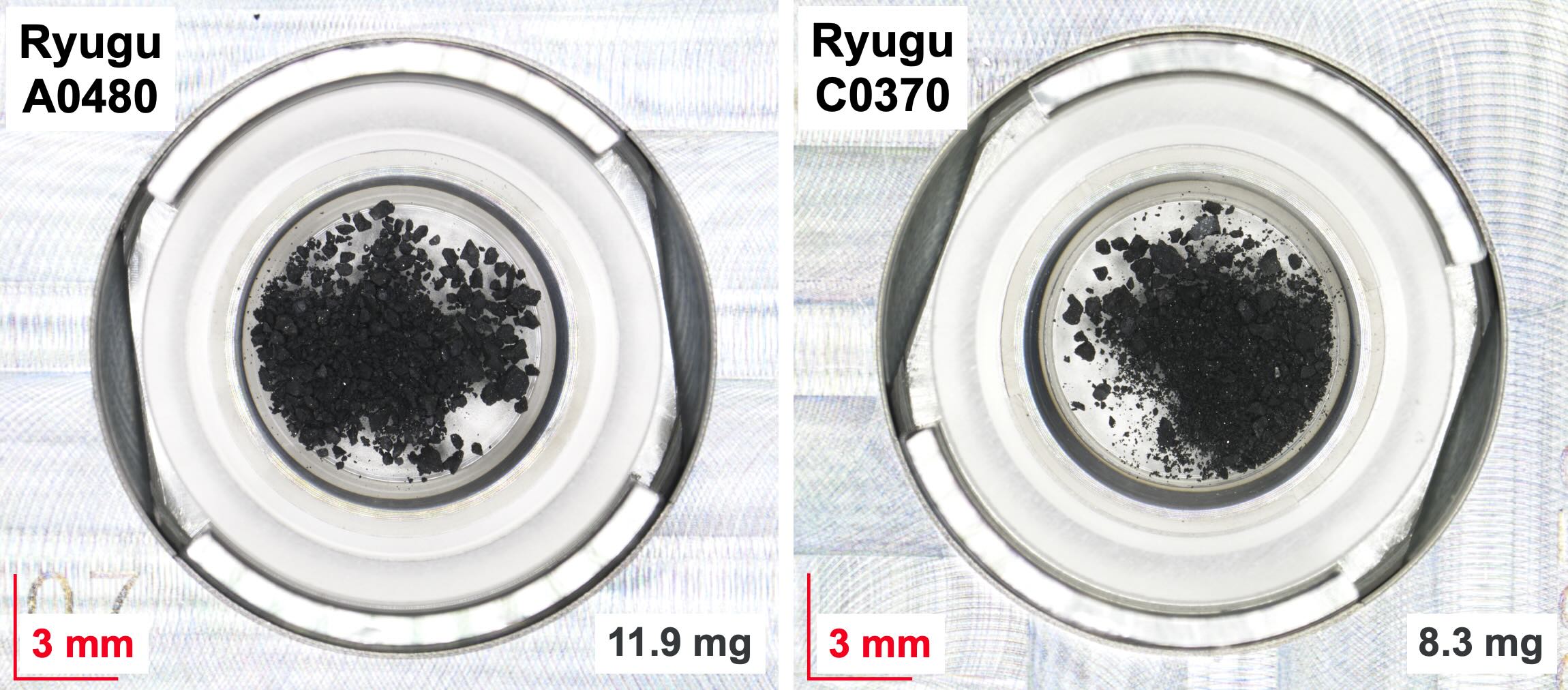
Five nucleobases of DNA and RNA detected in samples from Ryugu asteroid

A Japanese research team has identified the five nucleic bases (adenine, guanine, cytosine, thymine, and uracil)—which form the building blocks of DNA and RNA—in samples from the asteroid Ryugu, according to a study published in Nature Astronomy, which compares the composition of these samples with those from the asteroids Bennu and Orgueil. “The detection of various nucleic bases in asteroid and meteorite materials demonstrates their widespread presence throughout the solar system and reinforces the hypothesis that carbonaceous asteroids contributed to the prebiotic chemical inventory of the early Earth,” the authors write.

0

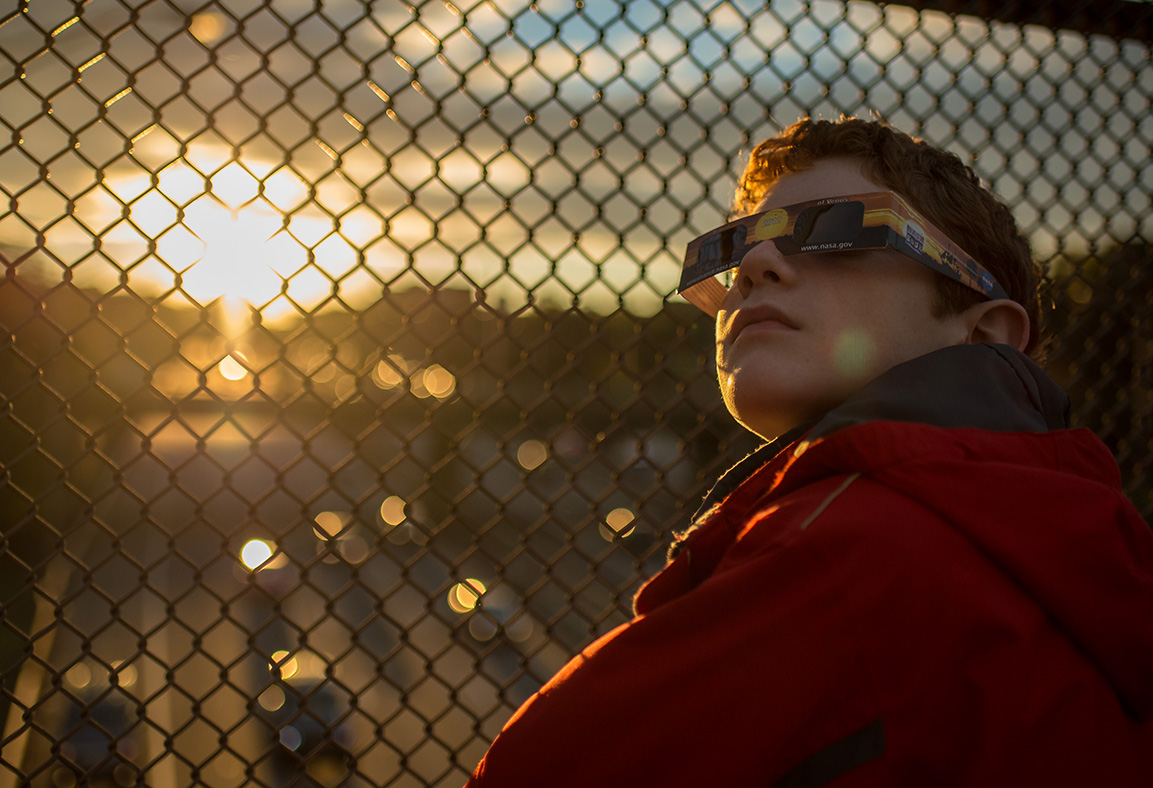
“Unique, strange, overwhelming”: what it feels like to experience a total solar eclipse

Research into the reactions of people who have witnessed total eclipses reveals that they are transformative experiences. All accounts speak of the amazement of seeing something that should not happen, but does. When the stars play hide-and-seek for a few minutes, what happens to the spectators is much more than the sum of orbits and analytical mechanics; it is emotion.

1

How to cover the triple eclipses: resources for journalists

For months, Spain has been preparing to host an astronomical milestone: a trio of solar eclipses that will be visible mainly from the peninsula, Ceuta, and Melilla. In addition to explaining what they are and why they are important, this article will tell you where to find expert sources to answer your questions about this fascinating phenomenon.


0