Press Offices

Press Offices

SMC Spain amplifies the voices of experts on current topics that provoke controversy. 

¿Qué me ofrece?

The sources that collaborate with SMC Spain will multiply their national and international media impact. Register your office to become part of a directory on this website that journalists can consult. Our guides on communication and science can help you in your daily work.

Icono
Cómo trabajamos

We will rely on you when we contact sources from your organization or when we organize briefing sessions with them. We will provide you with support resources to facilitate your work. You can learn more about our method here

Título qué me ofrece
What We Offer You
Título cómo trabajamos
How We Work

Inequalities in the medical profession: why women fail to reach leadership positions

Every 11 February is celebrated as World Medical Women's Day, which coincides with the International Day of Women and Girls in Science, although its commemoration refers to Elizabeth Blackwell, the first woman to obtain a medical degree in the USA, in 1849. More than a century and a half later, despite the increasing number of women graduates, inequalities persist in the profession, especially in senior positions.

0

Study analyses relationship between toddlers' use of screens and language skills

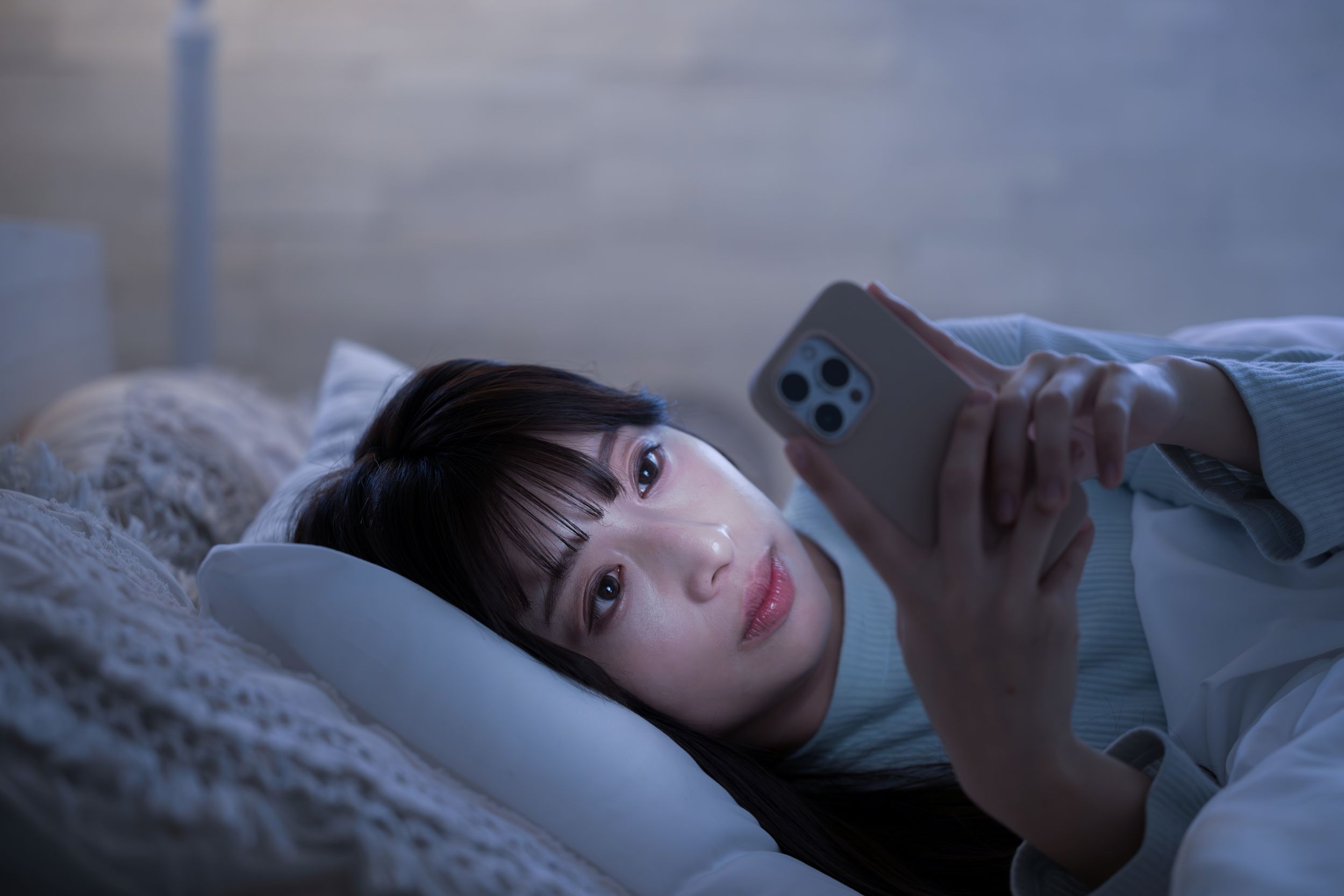
Toddlers' screen time has a negative correlation with their language skills, according to a study published in PLoS ONE. However, the use of educational content and screen time in the company of adults show a positive association with language skills. The study included nearly 1,900 children between one and four years old from 19 Latin American countries.

0

Analysis of how the human tide of the chupinazo in San Fermín moves, which could prevent accidents

Thousands of people congregate at the San Fermín festival in Pamplona. By analysing camera images from the Plaza Consistorial during the chupinazo in four editions, a team has modelled what the movement of this human tide looks like. The physical theory of dense crowds can be applied in other circumstances, say the authors, who include scientists from the University of Navarra. In their paper published in Nature, they offer a strategy to anticipate these movements in real time and help prevent events such as avalanches.

0

Women scientists contribute less than male researchers as expert media sources; barriers include lack of time due to family responsibilities, SMC Spain survey shows

The report Participation of women scientists as expert sources in the media: motivations and obstacles, carried out by FECYT's SMC España with the Gureiker research group (UPV/EHU) analyses the data from a survey, a pioneer in Spain, on the factors that influence the media participation of scientists as expert voices. All the people contacted as information sources by the SMC Spain team were surveyed over a three-month period, starting in March 2024. Of the sources consulted, 43.91% were women and 56.09% were men. However, of the total number of people who accepted SMC's proposals and appeared as sources, 37.66% were women and 62.34% were men. The greater media exposure of male scientists benefits them for future interventions. In terms of barriers that prevent researchers from speaking in the media, lack of time due to family responsibilities affects female scientists (22.95 % of respondents) more than male scientists (10 %).  

0

Proportion of lung cancer cases in nonsmokers associated with pollution is rising

A paper published in The Lancet Respiratory Medicine has analyzed new cases of lung cancer worldwide during the year 2022. While the incidence in women continues to approach that of men, the decrease in tobacco consumption in many countries causes the proportion of cases in non-smokers to increase. This increase is associated with air pollution, especially in countries such as China. 

0

Higher concentrations of microplastics found in human brains than in liver or kidney

A multidisciplinary team of US researchers has analyzed the presence of micro- and nanoplastics in 52 human cadavers between 2016 and 2024. The concentrations of these particles were higher in the brain than in the liver or kidneys. They were also higher in the brains of people with dementia, although the researchers acknowledge that causality cannot be established. The results are published in the journal Nature Medicine. 

0

The Saharan dust that dyed Spanish skies orange in 2022 did not present a radioactive risk to human health

The Saharan dust intrusion that reached Spain and other European countries in March 2022 posed no risk to human health in terms of exposure to radioactivity, according to an analysis of samples collected by citizens in Spain, Germany, Austria, Belgium, France, Belgium, France, and Luxembourg. The dust came from southern Algeria, says the analysis published in Science Advances, and contained plutonium isotopes characteristic of nuclear tests conducted by the U.S. and the Soviet Union - not from French tests in the Reggane area in the 1960s.

0

Populist attitudes towards science in Spain analysed

Populist movements often pit people against political elites, but they can also target academic elites. Science-related populism pits ‘ordinary people’ and common sense against academic elites and scientific knowledge. A report published by FECYT analyses this phenomenon in Spain for the first time. Science Media Centre España organised an informative meeting with its authors to explain the main results.

0