Journalists

Journalists

Covering current events in science, the environment, technology and health requires a context and reliable sources that respond quickly.

¿Qué me ofrece?

When science hits the headlines, we publish reactions, explanations, and in-depth analysis from reliable sources, capturing both the evidence and the debates. Our library of science journalism resources and the briefings may be of use to you. Consult our directory of research centres.

Icono
Cómo trabajamos

We are on the lookout for any controversial information about science (embargoed or not), in order to react with the agility the media needs. Sign up to receive our embargoed contents, all under the Creative Commons licence. Find out more about how we work here.

Título qué me ofrece
What we offer you
Título cómo trabajamos
How we work

Reaction: Study finds high levels of PFAS in school uniforms sold in North America

Researchers have analysed the presence of perfluoroalkyl and polyfluoroalkyl substances (PFASs) in 72 textile products purchased online in the US and Canada in 2020 and 2021. The results, published in the journal Environmental Science and Technology Letters, show high concentrations in school uniforms and higher concentrations in 100 % cotton as opposed to synthetics. 
 

0

Reaction: up to two thirds of urban tree species withstand climatic risk conditions

International research on more than 3,000 tree and shrub species in 164 cities -including Barcelona, Valencia and Santa Cruz de Tenerife- reveals that up to two-thirds of urban tree species may already be experiencing climatic conditions that exceed their potential climate tolerance. The study is published in Nature Climate Change.

0

Reaction: EMA recommends approval of a new respiratory syncytial virus (RSV) drug for babies and infants

The European Medicines Agency (EMA) has recommended marketing authorisation in the European Union for Beyfortus (nirsevimab) to prevent respiratory syncytial virus (RSV) lower respiratory tract disease in babies and infants. The agency recommends it during its first RSV season. The European Commission now has to decide on its marketing authorisation across the EU.

0

What the La Palma eruption has taught us one year later

This week marks one year since the start of the last volcanic eruption in Spain, a phenomenon that made national and international headlines from 19 September 2021, when the volcano began to spew lava outwards, until several months later. The eruption posed a forecasting and management challenge for scientists and authorities. The balance of what we have learned is positive at the scientific level, but the reality is that much remains to be done. 

1

Reactions to study suggesting Saturn's rings and tilt may be the product of a missing moon

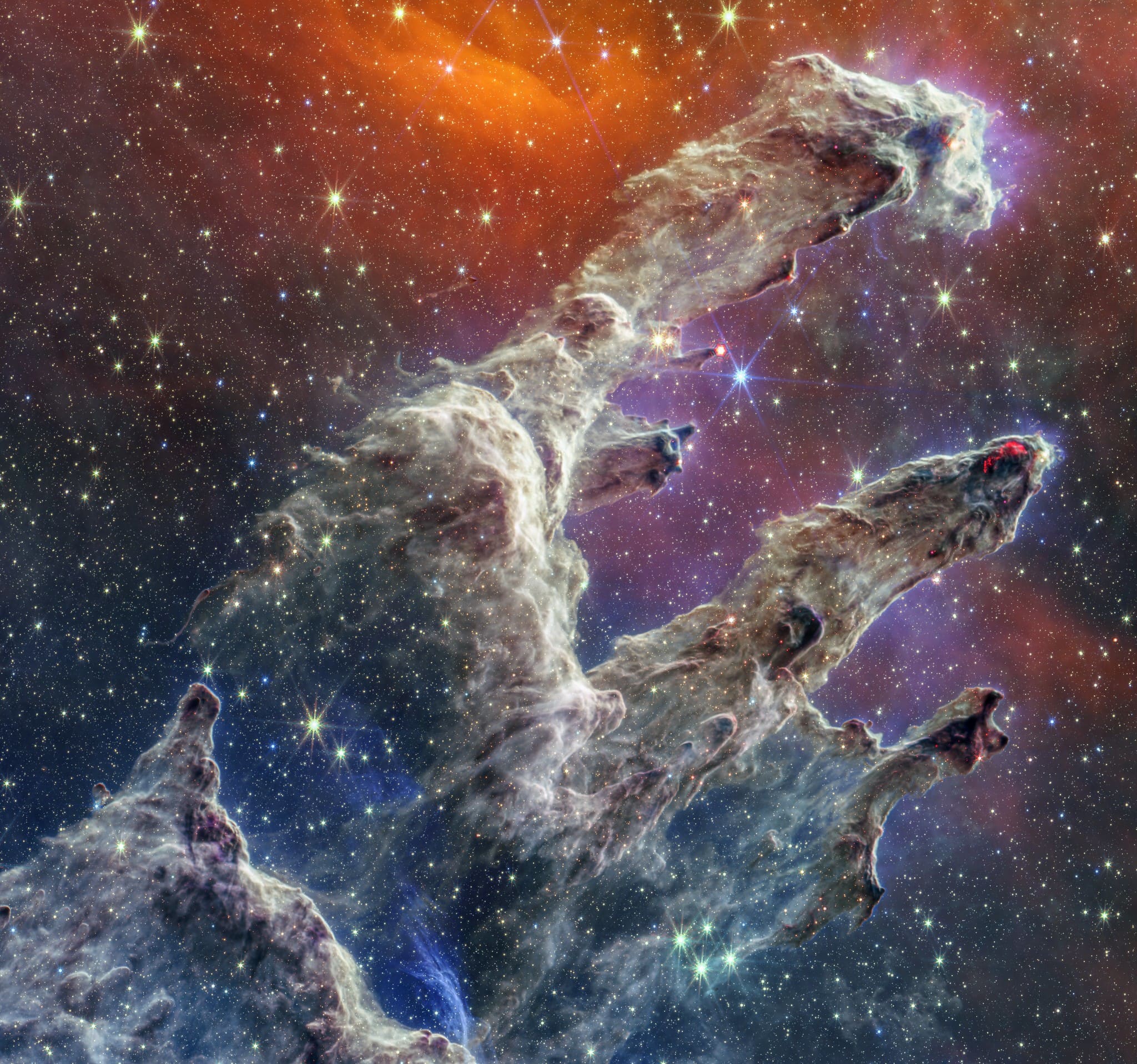
Research published in Science proposes that an ancient moon of Saturn, which they have named Chrysalis (Chrysalis), may be responsible for Saturn's distinctive rings. According to the authors, the moon orbited around the gas giant for billions of years, but about 160 million years ago, it became unstable and moved too close to the planet, breaking apart under Saturn's tidal forces and forming the planet's rings. According to the research, Saturn's current tilt may also be related to the destruction of this moon.

0

Reaction to study announcing remission of lupus in five patients with CAR-T cell therapy

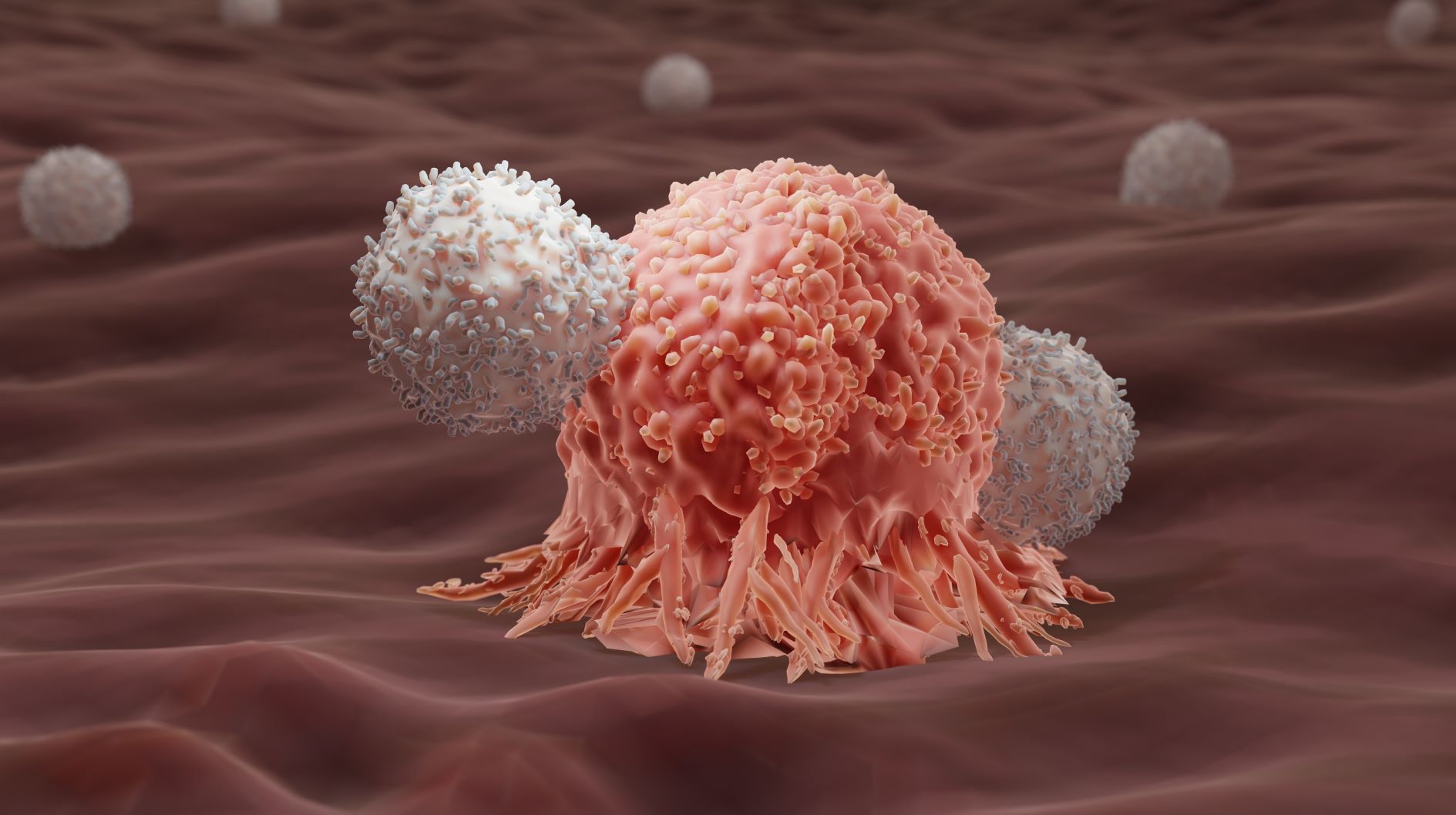
A study published in the journal Nature Medicine has tested a therapy based on CAR-T cells - T lymphocytes modified in the laboratory - to treat five patients with systemic lupus erythematosus who did not respond to conventional treatments. According to the study, the symptoms subsided in all of them and the improvement was maintained throughout the duration of the study.

Reactions on the desirability of maintaining the mandatory use of face masks on public transport

The Minister of Health, Carolina Darias, responded yesterday in the government control session in Congress to a parliamentary question that face masks will continue to be obligatory on public transport. According to Darias, the Alerts Committee justifies the measure "due to the high concentration of people in very small spaces, without adequate ventilation and on long journeys".

0

Reactions to study showing that artificial light is increasingly emitting blue spectra associated with LEDs

Using images taken by astronauts aboard the International Space Station, a team of researchers has designed a map showing the variation in the spectral composition of artificial lighting across Europe during 2012-2013 and 2014-2020. The results, published in the journal Science Advances, show a change associated with white LED lights and higher blue emissions, which the authors link to an increased risk of harmful effects on ecosystems.