Journalists

Journalists

Covering current events in science, the environment, technology and health requires a context and reliable sources that respond quickly.

¿Qué me ofrece?

When science hits the headlines, we publish reactions, explanations, and in-depth analysis from reliable sources, capturing both the evidence and the debates. Our library of science journalism resources and the briefings may be of use to you. Consult our directory of research centres.

Icono
Cómo trabajamos

We are on the lookout for any controversial information about science (embargoed or not), in order to react with the agility the media needs. Sign up to receive our embargoed contents, all under the Creative Commons licence. Find out more about how we work here.

Título qué me ofrece
What we offer you
Título cómo trabajamos
How we work

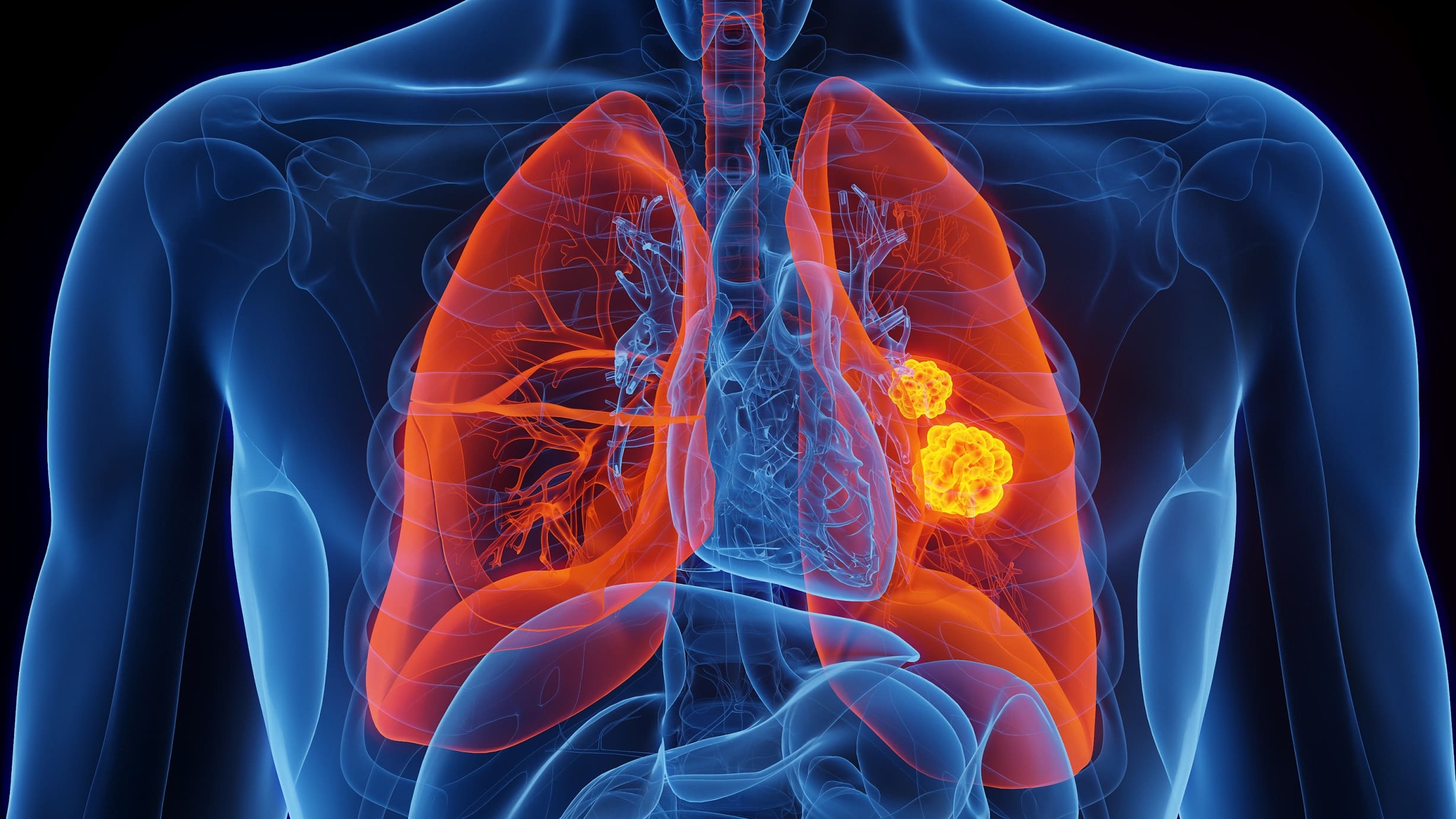
Reaction: expert group warns of cancer epidemic in Europe in the next decade if health and research do not improve

A panel of experts set up by the journal The Lancet Oncology analyses the impacts of the covid-19 pandemic on cancer treatment and research and makes recommendations to mitigate these problems. With an estimated one million cancer diagnoses lost across Europe in the past two years, the team warns that the continent is heading for a cancer epidemic in the next decade if health systems and cancer research are not urgently prioritised. 

0

Reactions: WHO recommends immediate skin-to-skin contact instead of incubator for premature and low birth weight infants

The World Health Organisation (WHO) has issued a statement recommending skin-to-skin contact immediately after birth to improve the survival of premature and low birth weight babies. Until now, in clinical practice it was common for the first phase after birth to take place in the incubator.

0