University of Salamanca
If you are the contact person for this centre and you wish to make any changes, please contact us.
Full Professor of the Higher Polytechnic School of Zamora, University of Salamanca
Professor in the department of Applied Physics and member of the research group on Applications of Lasers and Photonics (ALF) at the University of Salamanca
Head of the Degenerative Disorders of the Visual System group at the Castile and León Institute of Neuroscience and professor at the University of Salamanca
Professor of Microbiology at the Institute for Research in Agrobiotechnology
Professor in the Department of Animal Biology, Parasitology, Ecology, Soil Science and Agricultural Chemistry at the University of Salamanca.
Head of the Haematology Department at the University Hospital of Salamanca and Professor of Medicine at the University of Salamanca
Head of the Allergy Service at the University Hospital of Salamanca, Professor at the Faculty of Medicine of the University of Salamanca and President of the Spanish Society of Allergology and Clinical Immunology
Emeritus Professor of Biochemistry and Molecular Biology at the University of Salamanca
Professor of Cell Biology at the University of Salamanca and principal investigator at the Institute of Neurosciences of Castile and León
Full Professor of Pharmacology and researcher in the Neuroendocrinology and Obesity group at the University of Salamanca
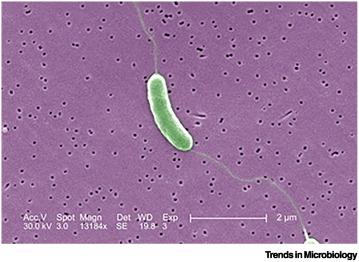
Rising sea temperatures are promoting the spread of Vibrio vulnificus, the marine bacterium nicknamed the “carnivore,” which can cause serious infections. Last summer, the European Center for Disease Prevention and Control (ECDC) warned of an increased risk during the summer months, especially in the Baltic Sea. This bacterium has also been identified along the Spanish coast, but experts explain that swimming in the Mediterranean is safe for the general public, as the bacterium thrives in waters with lower salinity. Even so, they recommend that vulnerable individuals remain vigilant and avoid swimming if they have open wounds.

According to the findings of two clinical trials published in Annals of Internal Medicine, adults at high cardiometabolic risk who slept almost 80 minutes less per night for six weeks gained nearly half a kilogram on average and experienced an increase in waist circumference. The studies included a total of 95 participants, all of whom had a habitual sleep duration of at least seven hours per night. Sleep restriction was also associated with increased leptin levels, a hormone involved in regulating energy balance, and with greater sedentary time.

An international team has analyzed data collected between 1990 and 2024 from nearly one million people in seven countries regarding their body mass index, cholesterol levels, and blood pressure. The results indicate that, in adults over 40, these levels have been converging, becoming quite similar overall in obese and non-obese individuals, possibly due to the widespread use of treatments. Despite these findings, the authors note that there are other risks associated with obesity not included in the study, such as diabetes, kidney disease, and cancer, among others. The work is published in The Lancet.

In the treatment of obesity, maintaining weight loss is the most difficult phase. Two independent clinical trials published in Nature Medicine have adopted two different strategies to achieve this. The first is a phase 3b trial involving the GLP-1 drug orforglipron, administered orally on a daily basis for 52 weeks. This trial included 376 adults in the United States who had already completed 72 weeks of injectable treatment with tirzepatide or semaglutide. Almost 75% and 80% respectively of patients on each injectable drug maintained their weight loss. The second trial involved 90 obese adults from the Netherlands who followed a low-calorie diet for eight weeks and then received a daily supplement of the bacterium Akkermansia muciniphila for 24 weeks, alongside a healthy diet. Although those who received the supplement regained more than 13% of the weight initially lost, those who took the placebo regained almost 33%.

A study published in Science analyzed more than 100,000 human neocortical cells from weeks 13 to 23 of gestation, when cortical neurons are generated. The samples came from 26 donors, some with and others without Down syndrome. Using single-cell genomics, they observed how trisomy 21 disrupts the developmental sequence of various types of neurons, which could explain subsequent differences in cognition. A second study in the same journal, which examines the postnatal brains of children with Down syndrome, finds that many of these changes persist into childhood. The authors note that their study will not have short-term clinical applications, but they hope it can be used to develop specific drugs or create gene therapies.

GLP-1 medicines for the treatment of obesity show considerable variability between individuals. Using data from 23andMe, scientists at this genetic testing company conducted genome-wide association studies in nearly 28,000 people treated with these drugs, analysing self-reported weight loss and adverse effects. Their findings, published in Nature, identified variations in two genes involved in gut hormone pathways that regulate appetite and digestion, although the authors caution that the effects of genetics appear to be modest.

Drought is linked to the growth of antibiotic-resistant bacteria in the soil, according to a study published in Nature Microbiology. Using data from hospitals in 116 countries, the study observes a link between local aridity and the prevalence of antibiotic-resistant bacteria, although the research does not prove a causal relationship between the two phenomena.

Sequencing the genomes of nearly 38,000 smokers in Mexico revealed that variants in a nicotine receptor gene were associated with a lower likelihood of heavy smoking, according to a study published in Nature Communications. The variant occurs in the CHRNB3 gene, which encodes the β3 subunit that binds nicotine and mediates its rewarding effects in the brain. Compared with individuals carrying the more common version of the gene, those with one or two copies of the identified variant smoked 21% and 78% fewer cigarettes, respectively. The findings were validated in populations of Asian and European ancestry.

Glucagon-like peptide-1 (GLP-1) receptor agonist drugs, used to control obesity and type 2 diabetes, are associated with changes in food purchasing in favour of healthier options. This result, published in the journal JAMA Network Open, was obtained by analysing nearly two million shopping receipts from more than 1,100 participants in Denmark. Those who started treatment with GLP-1 drugs began to make purchases with fewer calories, sugars, saturated fats and carbohydrates, along with a modest increase in protein content. A decrease in the purchase of ultra-processed foods was also observed.

Age-related macular degeneration (AMD) is the leading cause of irreversible blindness and there is no treatment that can restore vision. Now, an international team has tested a device that combines a small wireless chip implanted in the back of the eye with high-tech glasses. The scientists have managed to partially restore vision in people with an advanced form of the disease. Specifically, 26 of the 32 people who completed the trial had clinically significant improvement and were able to read. The results are published in the journal NEJM.