University of Huelva
If you are the contact person for this centre and you wish to make any changes, please contact us.
Professor of Zoology in the Department of Integrated Sciences at the University of Huelva
Physician and Professor of Public Health at the University of Huelva
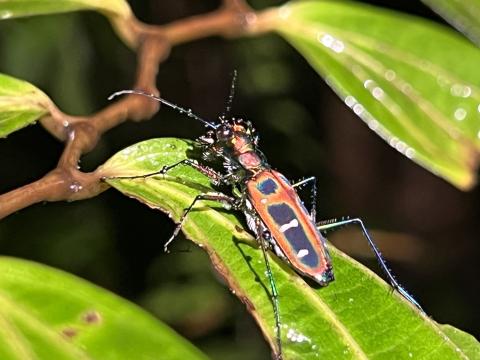
Global biodiversity is threatened by human impact, which has already led to the extinction of hundreds of species. However, the known tree of life continues to expand with the discovery of numerous clades (groups of organisms that share a common ancestor and all its descendants), according to a international study pubished in PNAS. According to their estimates, made between 2015 and 2020, more than 700 new genera, more than 20 new families, and more than three new orders are described each year, all based on newly discovered species. According to the authors, many new clades remain undiscovered, and describing them before they become extinct should be a priority for research and conservation.
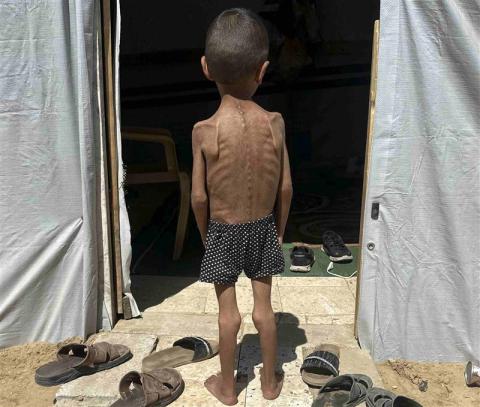
More than 54,600 children under the age of five in Gaza are in need of medical care for acute malnutrition, according to estimates from a study published in The Lancet, which shows that the prevalence of malnutrition decreases during a ceasefire and increases during Israeli blockades of access to food, water, or medicine. For example, after four months of severe aid restrictions—between September 2024 and January 2025—malnutrition increased from 8.8% to 14.3%, with a higher incidence in Rafah and among children between 24 and 59 months of age. The study, conducted by UNRWA, is based on data from more than 219,000 children between the ages of six and 59 months from various locations in the Gaza Strip, collected between January 2024 and August 2025.
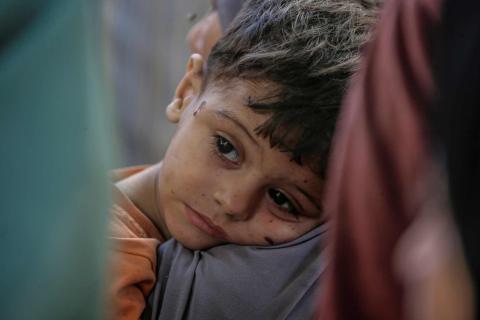
Through surveys of 78 healthcare workers in Gaza between August 2024 and February 2025, an international team has documented patterns of injuries among the civilian population during Israel's ongoing invasion. The most common traumatic injuries were burns, followed by injuries to the lower and upper limbs. Explosion damage accounted for most of the weapon-related trauma, which particularly affected the head, while gunshot wounds were mainly located in the lower limbs. The study is published in The BMJ.
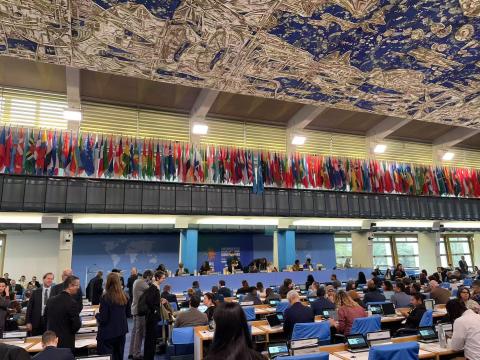
The 16th meeting of the United Nations Conference on Biodiversity (COP16) in Rome has concluded with an agreement to adopt the first global plan for financing nature conservation, after three days of meetings. This meeting meant resuming the negotiations that began last October in Cali (Colombia), where the parties failed to reach an agreement on how to finance the Kunming-Montreal Global Biodiversity Framework reached at COP15, which aims to protect a third of the land and oceans by 2030.
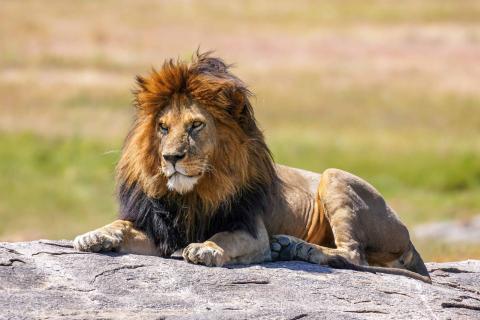
One study suggests that conservation efforts are concentrated around a small number of charismatic species, such as elephants. However, there are undervalued species, such as fungi, plants and invertebrates, that are critical to the functioning of ecosystems. The research, published in the journal PNAS, analysed more than 14,000 conservation projects spanning a 25-year period - from 1992 to 2016. Of the nearly $2 billion allocated by the projects, 83% went to vertebrates. Plants and invertebrates each received 6.6% of the funding, while fungi and algae received less than 0.2%.
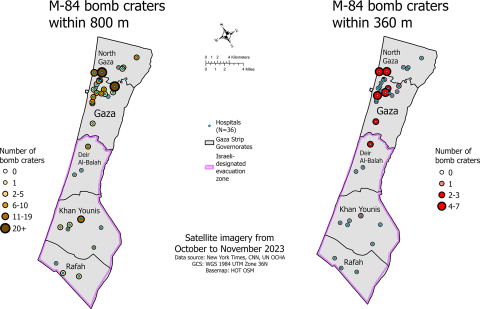
A study has used geospatial data and satellite imagery to analyze the number of MK 84 bombs dropped by the Israeli army in the Gaza Strip between October 7 and November 17, 2023 that detonated near hospital infrastructure. Of the 36 existing hospitals, 30 of them had suffered at least one explosion within 800 meters. According to the authors of the paper, which is published in PLOS Global Public Health, the research “reveals concerns about indiscriminate shelling near hospital infrastructure, which enjoys special protection under international humanitarian law.”