
University of Cordoba
If you are the contact person for this centre and you wish to make any changes, please contact us.
Pediatrician at the Pediatric Endocrinology Unit of the Reina Sofia University Hospital of Cordoba, belonging to the group GC23 Children's Metabolism of the Maimonides Institute of Biomedical Research of Cordoba, and associate professor at the University of Cordoba
Coordinator of the Scientific and Advisory Committee for the Eclipse Trio and lecturer in the Department of Physics at the University of Córdoba
Agronomist and oenologist, pre-doctoral researcher at the Department of Agricultural Chemistry, Soil Science and Microbiology of the University of Cordoba
Full professor of Ecology at the University of Cordoba
Professor of Cell Biology in the Department of Cell Biology, Physiology and Immunology at the University of Cordoba and researcher in charge of the Hormones and Cancer group at the Maimonides Institute of Biomedical Research of Cordoba (IMIBIC)
Head of the Applied Thermal Engineering Research Group and researcher at the University of Córdoba
Professor of Constitutional Law at the University of Cordoba and member of the Committee of Experts of the European Institute for Gender Equality
Ramón y Cajal postdoctoral researcher in the department of Forest Engineering E.T.S.I.A.M.
Professor of the Department of Agricultural Chemistry, Soil Science and Microbiology at the University of Cordoba
Professor of Genetics.
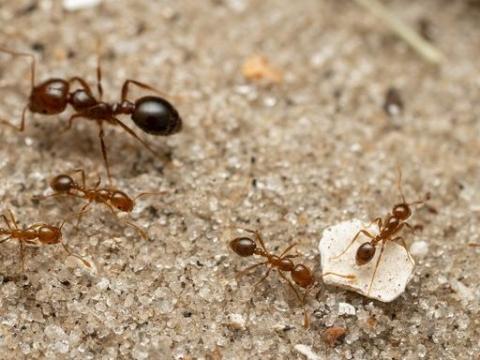
One of the world's most invasive species is Solenopsis invicta, an ant native to South America with a painful sting. In an article published in Current Biology, experts confirm the first official sighting of this species in Europe: 88 nests spread over five hectares near Syracuse in Sicily, Italy. The ants could soon spread across the continent, causing serious environmental, health and economic problems. The study is led by the Institute of Evolutionary Biology (IBE) of the CSIC and the UPF.
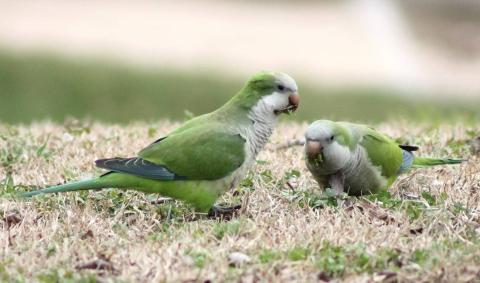
According to a new report from the Intergovernmental Science-Policy Platform on Biodiversity and Ecosystem Services (IPBES), human activities have introduced over 37,000 exotic species to regions around the world. The document highlights that more than 3,500 of these are harmful invasive exotic species that are often overlooked until it's too late.