PTI-Agriambio
If you are the contact person for this centre and you wish to make any changes, please contact us.
CSIC research professor in the Department of Biogeography and Global Change at the National Museum of Natural Sciences and coordinator of the PTI-Agriambio platform
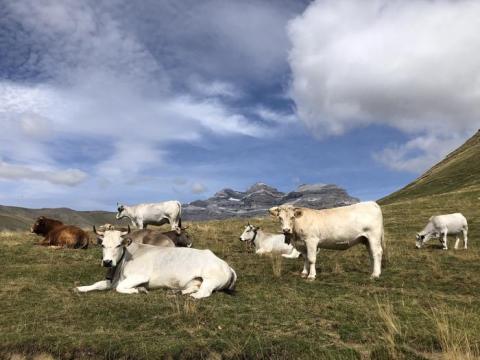
Although extensive livestock farming has increased in some regions, it has also decreased in 42% of pastures dedicated to this purpose, according to a study published in the journal PNAS that analyses data from 1999 to 2023. The decline has occurred in wealthy areas of the world, such as Europe, North America and Australia, where consumption trends have shifted towards animals such as pigs and chickens. The increase was seen in poorer areas, specifically in Africa, Asia, South America and Central America. The authors of the study, one of whom is Spanish, state that ‘reductions in livestock stocking rates can have significant ecological consequences at regional and global scales,’ affecting biodiversity and fire regimes.
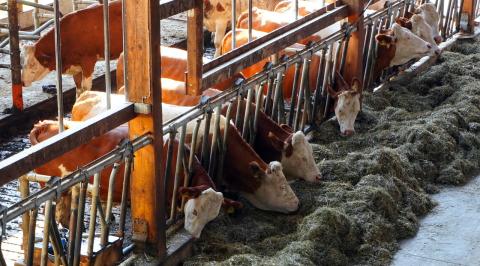
Eighty-two percent of EU farm subsidies articulated through the Common Agricultural Policy (CAP) financed high-emission livestock production in 2013, according to a study published in Nature Food. The analysis, which is based on data from 1986 to 2013 - the latest year for which records are available - highlights that 82% went to animal products in the following proportions: 38% directly and 44% for feed production. The authors note that food of animal origin is associated with 84 % of the greenhouse gases emitted by EU food production.