National Microbiology Centre - Carlos III Institute of Health
If you are the contact person for this centre and you wish to make any changes, please contact us.
Researcher at the Reference and Research Laboratory in Mycology, National Microbiology Centre, Instituto de Salud Carlos III
Senior Scientist at the Special Pathogens Research and Reference Laboratory of the National Microbiology Centre of the Carlos III Health Institute
Researcher at the National Center for Microbiology - Carlos III Health Institute
Senior scientist at the Reference Laboratory for Influenza and Respiratory Viruses of the National Microbiology Centre.
Scientific researcher at the Reference and Research Laboratory for Immunopreventable Viral Diseases of the National Microbiology Centre - Carlos III Health Institute
Senior Researcher, Head of the Enterovirus and Viral Gastroenteritis Unit (Reference and Research Laboratory for Immunopreventable Viral Diseases), Centro Nacional de Microbiología, Instituto de Salud Carlos III
Head of the National Reference Laboratory for Gastroenteritis-Producing Viruses of the National Microbiology Centre - Carlos III Health Institute
Virologist at the Reference Laboratory for Influenza and Respiratory Viruses of the National Microbiology Centre - Carlos III Health Institute
Researcher at the Reference Laboratory for Influenza and Respiratory Viruses at the Centro Nacional de Microbiología - Instituto de Salud Carlos III
Several media outlets are reporting cases of "camel flu" or MERS-CoV at the World Cup in Qatar, including three French national team players. However, no cases have been confirmed and the news reports speak of non-specific symptoms that could be due to any other infectious condition. This coronavirus, discovered in 2012, has a high case fatality rate and before the start of the competition, the WHO had already asked fans travelling to the country to watch out for possible symptoms.
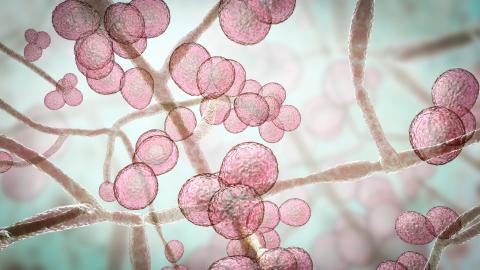
The WHO has published the first list of priority fungal pathogens, which affect more than 300 million people and kill at least 1.5 million people every year. However, funding to control this scourge is less than 1.5 % of that devoted to infectious diseases.
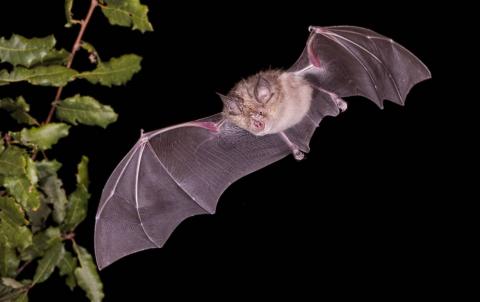
A sarbecovirus distantly related to SARS-CoV-2 and found in horseshoe bats in Russia is able to enter human cells using the ACE2 receptor, according to research published in PLOS Pathogens.
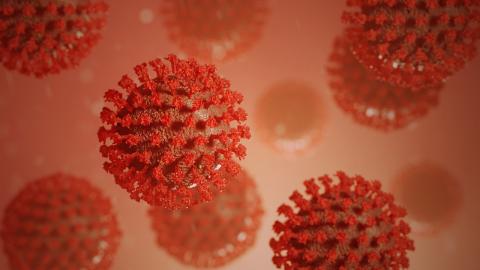
The UK Health Security Agency published in its latest report on 25 March the detection of three recombinant forms of omicron, called XE, XD and XF. The WHO mentions them in its 29 March report, noting that the possibility that XE is more transmissible than BA.2 still requires further study.
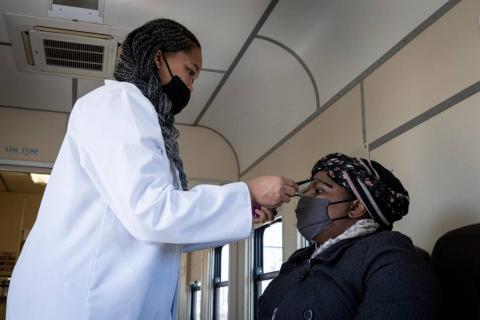
A new variant of the coronavirus causing COVID-19 has been identified in South Africa, with numerous mutations present in other variants, including Delta. Variant B.1.1.529, as it is now called, appears to be spreading rapidly in South Africa. Attached is the rapid reaction of three Spanish researchers with expertise in genomic surveillance.