IBiS - Institute of Biomedicine of Seville
If you are the contact person for this centre and you wish to make any changes, please contact us.
Principal investigator of the Molecular Biology of Cancer group at the Institute of Biomedicine of Seville (IBIS)
Full Professor in the Department of Developmental and Educational Psychology at the University of Seville and at the Seville Institute of Biomedicine (IBIS)
Head of Section of the Stroke Unit in the Neurology Service of the Hospital Universitario Virgen del Rocio - Institute of Biomedicine of Seville (IBiS)
Paediatric and foetal neurosurgeon at the Andalusian Health Service, professor at the University of Seville and director of the Applied Neuroscience group at the Institute of Biomedicine in Seville
Professor of Physiology at the University of Seville and head of the Cellular Neurobiology and Biophysics team at the Institute of Biomedicine of Seville (IBiS)
Head of the Clinical Unit for Infectious Diseases, Microbiology and Parasitology at the Virgen del Rocío University Hospital and a researcher with the CIBERINFEC Bacterial Resistance and Antimicrobials Group and the Seville Institute of Biomedicine (IBiS)
Director of the Institute of Biomedicine of Seville (IBiS), Professor of the Department of Medical Physiology and Biophysics at the University of Seville and CIBERNED researcher
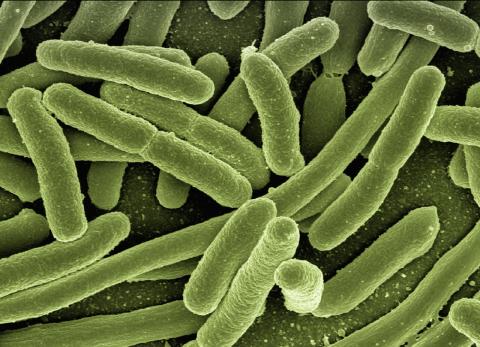
Bacterial infections were the second leading cause of death in 2019. This is according to research published in The Lancet, which estimates that one in eight deaths that year was associated with bacterial pathogens. Five of these - S. aureus, E. coli, S. pneumoniae, K. pneumoniae and P. aeruginosa - accounted for more than half of all bacteria-related deaths.