Catalan Institute of Oncology (ICO)
If you are the contact person for this centre and you wish to make any changes, please contact us.
Research technician at the Girona Cancer Epidemiology and Registry Unit of the Catalan Institute of Oncology-Oncology Master Plan
Head of the Hereditary Cancer Research Group at the Catalan Institute of Oncology-IDIBELL
Deputy Head of the Tobacco Control Unit at the Catalan Institute of Oncology and lecturer in the Department of Nursing, Public Health, Mental Health and Maternal and Child Health at the University of Barcelona
Medical Oncologist at the Catalan Institute of Oncology (ICO
Assistant doctor of medical oncology at the Catalan Institute of Oncology and at the Girona University Hospital Doctor Josep Trueta
Director of Epidemiology, Prevention and Cancer Control at the Catalan Institute of Oncology and Director of the WHO Collaborating Centre for Tobacco Control at the Catalan Institute of Oncology
Head of the Haematology Department at ICO Badalona
Principal investigator, Digital Health Programme ICOnnecta't, and member of the Group of Psycho-oncology and Digital Health at IDIBELL
Epidemiologist at the Catalan Institute of Oncology and professor of medicine at the University of Girona
Head of Medical Oncology at the Catalan Institute of Oncology (ICO), head of the Colorectal Cancer Research Group, Oncobell programme (IDIBELL) and associate professor of Medicine at the University of Barcelona
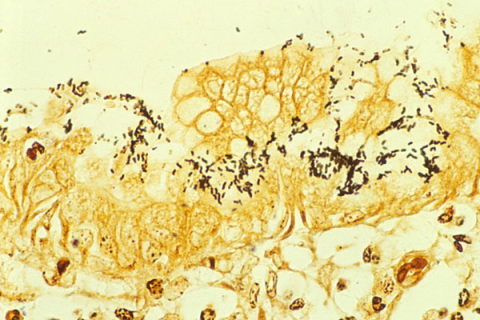
Infection with the bacterium Helicobacter pylori is a known risk factor for stomach cancer. Its link to colorectal cancer, however, remains an unconfirmed hypothesis. An international team has reviewed 43 studies on this subject and found that 22 per cent of colorectal cancer cases could potentially be linked to this infection, although when they selected the 14 most reliable studies, the figure fell to 12 per cent. According to the authors, exposure to Helicobacter pylori could be contributing significantly to the number of cases of colon cancer worldwide, but they point out that their study is only exploratory and that more robust research, such as clinical trials, is needed to establish a causal link. The results have been published in eGastroenterology.

A team in China has studied the ability of a test to detect the human papillomavirus (HPV)—responsible for the vast majority of cervical cancers—in menstrual blood from more than 3,000 women. The results indicate that the test is comparable to current screening performed in medical offices. According to the researchers, “Using menstrual blood for HPV testing is practical and non-invasive, allowing women to collect samples at home and thus potentially offering a practical way to expand access to screening.” The study is published in The BMJ.
[Nature Medicine has retracted this article on 24 June 2026]
A phase 3 clinical trial conducted in China tested 210 patients with advanced non-small cell lung cancer—the most common type—to see whether the time of day when immunotherapy and chemotherapy were administered influenced their effectiveness. The data indicate that, on average, those who received therapy after 3 p.m. did not see their cancer worsen for 5.4 months. In contrast, those who received it before that time did not see their cancer worsen for an average of 11.7 months, almost twice as long. Overall, response rates were 56.2% and 69.5%, respectively. The results, published in Nature Medicine, suggest that scheduling therapy early in the day may offer a simple and cost-free way to improve treatment efficacy.

The use of hormonal contraceptives is associated with a small increase in the risk of breast cancer—one additional case of cancer for every 7,752 women who use these drugs—according to a Swedish study. The risk varies depending on the type of hormones administered, and is slightly higher with the use of contraceptives containing desogestrel. The study, published in JAMA Oncology, analyses data from a national registry between 2006 and 2019, with more than two million women aged between 13 and 49.

Although most cancer cases are considered sporadic, some are defined as hereditary, as certain individuals carry variants in their DNA that increase their risk. A team in the United States has analysed the genetic information of more than 400,000 people and concluded that the proportion of those with known risk variants is slightly higher than 5%. This figure is higher than expected: nearly double for variants of the BRCA1 or BRCA2 genes and between 10 and 20 times higher for variants related to thyroid cancer. The results are published in the journal JAMA in research letter format.

For women diagnosed with early-stage breast cancer, the long-term risk of developing a second primary cancer is low, around 2–3 per cent higher than that of women in the general population. This is one of the conclusions of a study published by The BMJ, which analysed data from nearly half a million women diagnosed in England between 1993 and 2016 with early-stage invasive breast cancer who underwent surgery. During a follow-up period of up to 20 years, around 65,000 women developed a second primary cancer, but the absolute excess risk compared to the risks in the general population was small.

In the US, the incidence of colorectal cancer increased in people aged 45-49 years in the period 2019-2022, after advancing the screening age from 50 to 45 years, according to a study published in JAMA. The use of mailed faecal tests made it possible to reach people in this age group, without affecting screening rates in people over 50, says another paper published in the same journal.

Research involving more than 200 patients with depression, whose symptoms had not improved after NHS talk therapy shows that those who took part in eight group sessions of mindfulness-based cognitive therapy saw their depressive symptoms reduced, compared with those who received treatment as usual. The study is published in The Lancet Psychiatry.
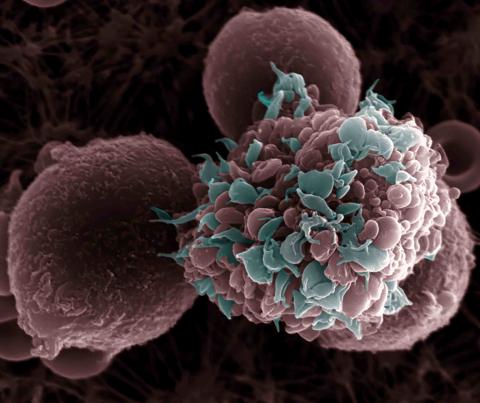
A team led by the Spanish National Cancer Research Centre (CNIO) has shown in mice that a high-fat diet increases metastasis in triple-negative breast cancer, which has the worst prognosis. In addition, it has identified several of the mechanisms that would explain this, such as the activation of platelets and coagulation, which would help the tumour hide from the body's defences and prepare the so-called ‘pre-metastatic niche’. According to the researchers, who published the results in Nature Communications, ‘this mechanism could be extrapolated to other tumour types and other organs’. The results suggest that ‘dietary intervention, together with the control of platelet activity, may increase the efficiency of certain anti-tumour treatments’.

In women, high consumption of sugary drinks is associated with an increased risk of oral cavity cancer, according to a study published in JAMA Otolaryngology-Head & Neck Surgery. Among research participants who consumed one or more sugary drinks per day, the rate of these cancers was 5 cases per 100,000 people, compared to 2 cases per 100,000 among those who drank less than one per month. The analysis is based on data from more than 162,000 nurses followed for 30 years in the United States. According to the authors, further studies with larger samples, including men, are needed to validate these results.