Pep Canadell

Pep Canadell

Pep Canadell
Position

Executive Director of the Global Carbon Project and Senior Research Fellow at the CSIRO Climate Science Centre in Canberra, Australia

COP30 ends with a minimal agreement, leaving out any mention of fossil fuels
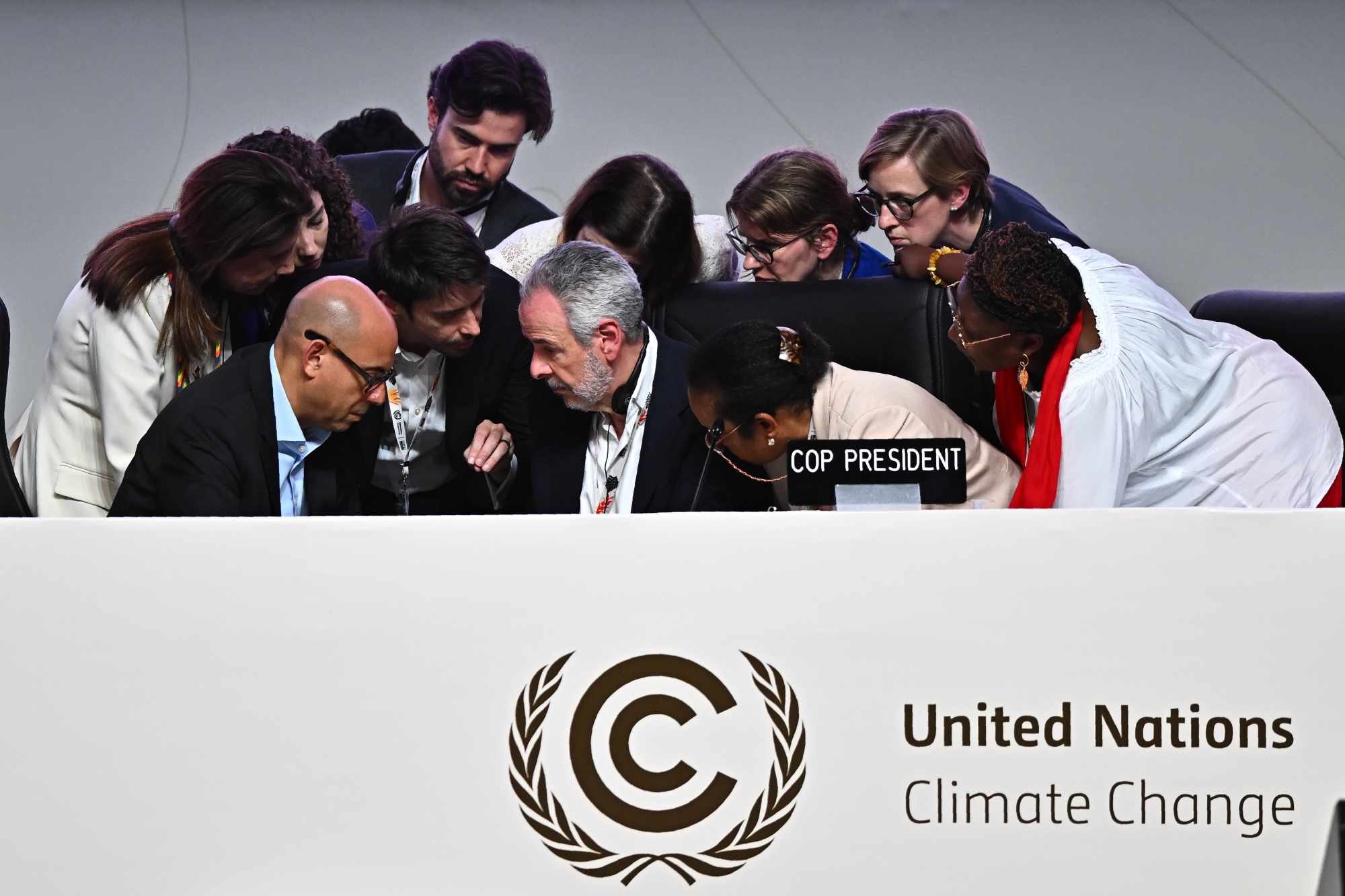
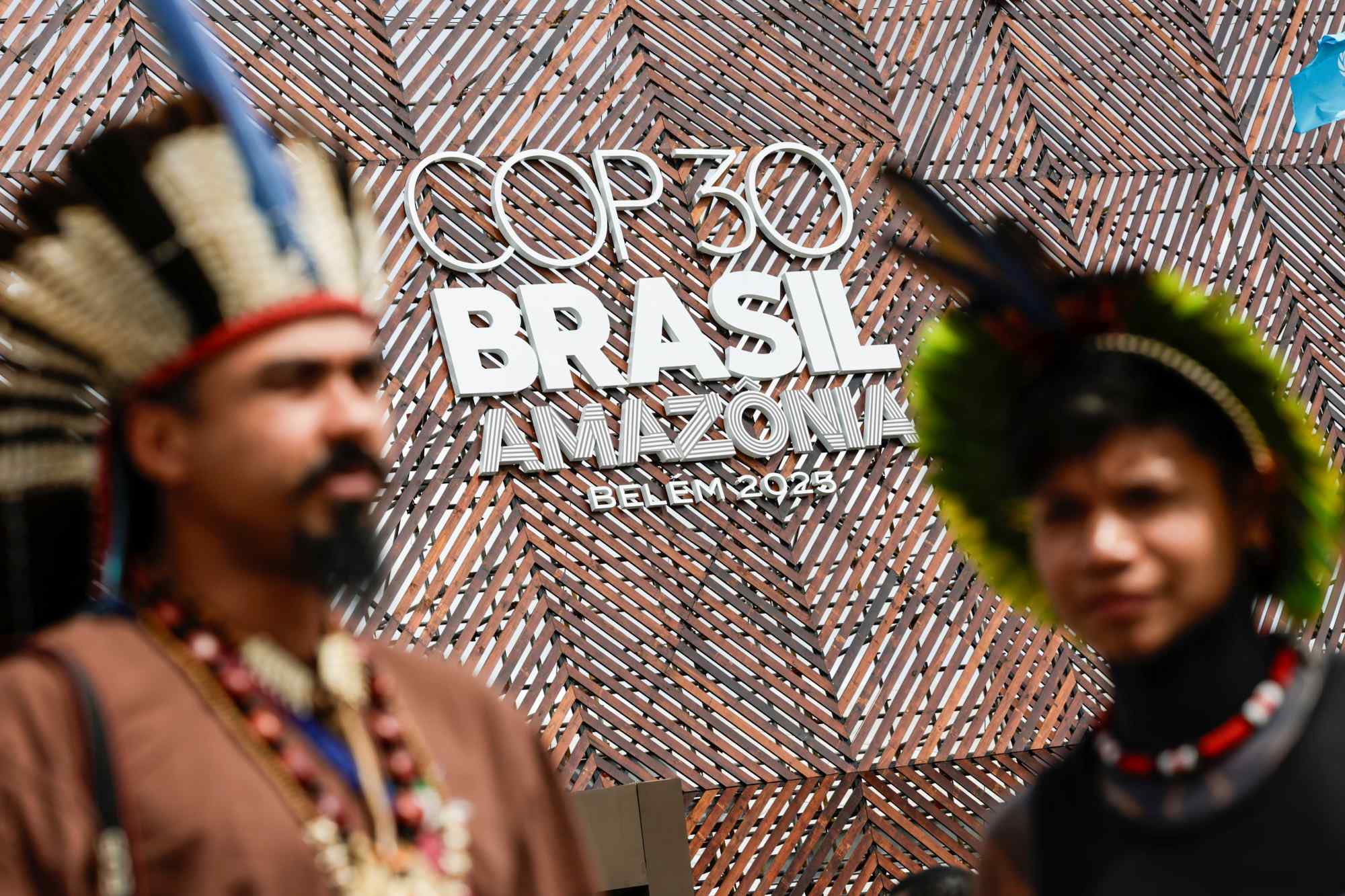
One day after the deadline, COP30 in Belém (Brazil) has finally reached a minimal agreement. The text does not mention a roadmap for abandoning fossil fuels, as requested by more than 80 states, including the European Union. The agreement states that countries agreed to accelerate climate action and triple funding for developing countries facing extreme weather events.


0
Pep Canadell: “Coal is once again contributing to the increase in emissions after the pandemic slowdown"

At the current rate of carbon dioxide emissions, the 1.5°C temperature increase limit set in the Paris Agreement will be exceeded in four years. This is one of the predictions of the Global Carbon Budget 2025, the global report on the carbon balance, now in its 20th edition, which will be presented at COP30 in Belém (Brazil). Pep Canadell, one of its authors, analyzed its findings at a briefing organized by SMC Spain.


0

Ten years of the Paris Agreement: what is expected from the Belém Climate Summit

COP30 will kick off on 10 November in Belém, a Brazilian city and gateway to the Amazon. Expectations are high because it coincides with the tenth anniversary of the Paris Agreement, whose goal of limiting the temperature increase to 1.5 °C was shattered in 2024. In addition, this year countries must present a new version of their measures to combat climate change in a turbulent geopolitical context, marked by the Trump administration's abandonment of the climate agenda.

0

Warm-water coral reefs pass their point of no return

Extensive warm-water coral reefs are facing widespread mortality and, unless global warming is reversed, will be lost, warns the report Global Tipping Points 2025. This is the first tipping point reached by the Earth system, the first in a series of tipping points that will cause ‘catastrophic’ damage—melting ice sheets, death of the Amazon rainforest, and collapse of vital ocean currents—unless humanity takes urgent action. The report also identifies positive tipping points that have been crossed on a global scale, for example in the area of solar energy and the adoption of electric vehicles.

0

Solar panels in space could help Europe achieve its net-zero emissions target

Space-based solar power could provide electricity to support Europe's net-zero emissions target if its cost of supply is reduced sufficiently. This is one of the conclusions of an article published in the journal Joule, by the Cell Press group. Space solar panels would allow continuous capture of solar energy, rather than only when light reaches Earth, reducing the need for wind and solar energy on Earth by 80% in Europe. The researchers estimate that by 2050, space-based solar power could reduce the costs of the European electricity system, although this depends on the development of two NASA space-based solar power designs they have used for their research: the Innovative Heliostat Swarm and the Mature Planar Array.

0

A report estimates that there are three years of carbon budget left to achieve a 1.5 °C increase

The carbon available for emission without exceeding the 1.5°C limit set in the Paris Agreement—known as the carbon budget—could be exhausted in just over three years at the current rate of CO2 emissions. This is one of the conclusions of a new edition of Indicators of Global Climate Change, published in the journal Earth System Science Data. The study also shows that between 2019 and 2024, sea levels rose by an average of around 26 millimetres: more than double the rate of 1.8 mm per year recorded since the beginning of the 20th century.

0

Assessing the impact of the 1.5°C rise in 2024 on the Paris Agreement goals

Two papers published in Nature Climate Change analyse the possibility of exceeding the Paris Agreement targets of limiting warming to 1.5°C above pre-industrial temperatures. Both papers suggest that having exceeded this warming threshold by 2024 could indicate that we have entered a period of several decades with average global warming of 1.5 °C. According to the authors, rigorous climate mitigation efforts are needed to keep the Paris Agreement targets within reach.

0

COP29 agrees rich countries to provide $300 billion to poorer countries for climate finance

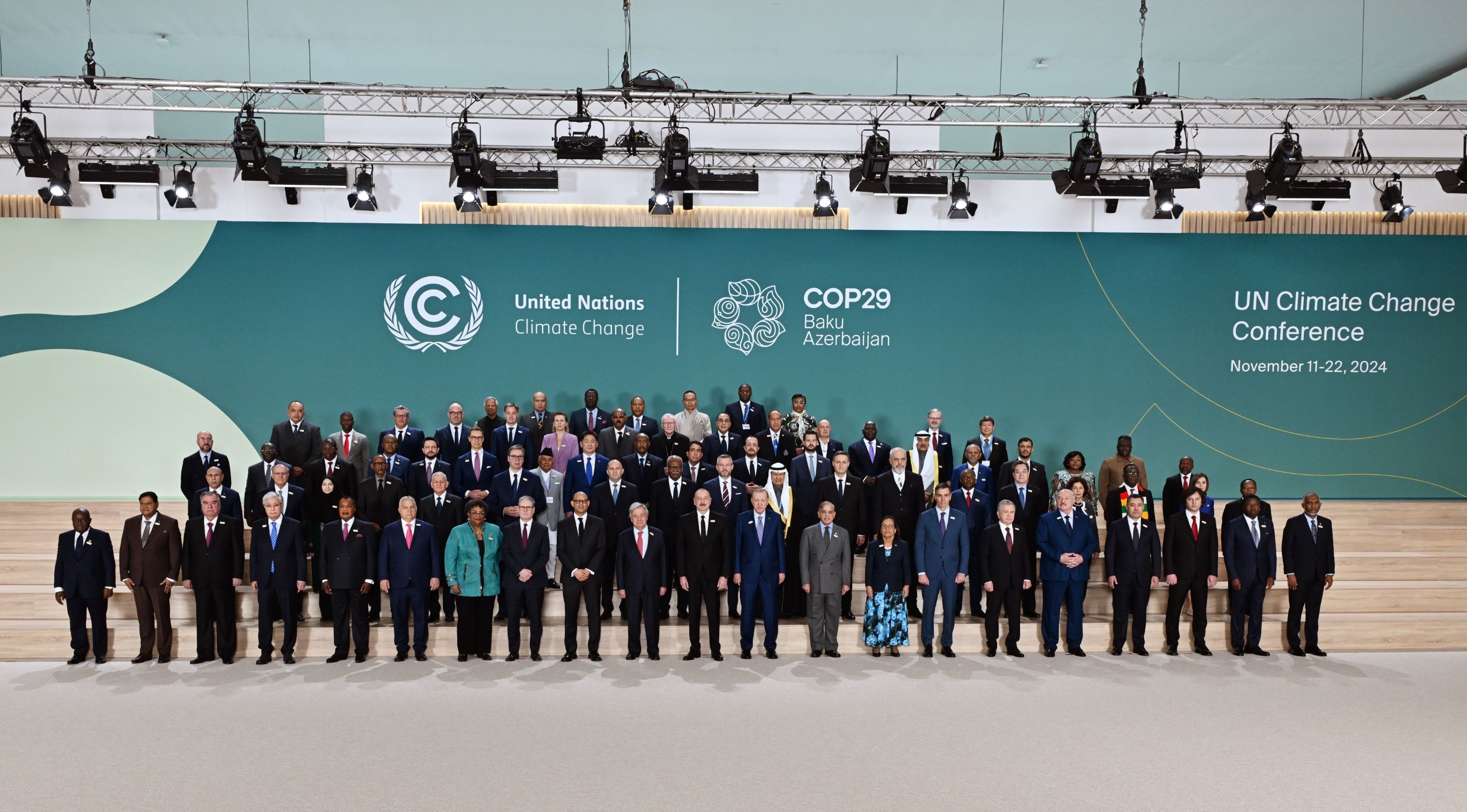
In the early hours of the morning, after more than two weeks of negotiations and on the verge of collapse, participants at COP29 in Baku (Azerbaijan) reached an agreement to set the new climate finance target. In the end, at least 300 billion dollars a year will be contributed by rich countries to the least developed countries until 2035, within a broader global commitment of up to 1.3 trillion dollars directed at these same countries. The renewal of this target was part of the Paris Agreement and will enable governments to support developing countries in their climate action on adaptation, mitigation and damage from the climate crisis. The previous target - set at the Copenhagen Summit in 2009 - was $100 billion per year.

0

Pep Canadell: ‘Trump can stop the US from cutting emissions, but not reverse the progress made in decarbonisation’

The largest carbon balance report shows that carbon dioxide emissions have not yet peaked and are projected to reach 37.4 billion tonnes by 2024. In a briefing organised by SMC Spain, Pep Canadell, one of the people in charge of the Global Carbon Budget 2024, analysed these data and what Donald Trump's return as US president means for climate action in the framework of COP29 in Baku.


0

Carbon stored in plants more ephemeral than previously thought

Carbon stored globally by plants is shorter-lived and more vulnerable to climate change than previously thought, according to a study published in Science. This has implications for nature's role in climate change mitigation, including the potential for carbon removal projects such as mass tree planting. The research reveals that existing climate models underestimate the amount of carbon dioxide (CO2) that vegetation absorbs globally each year, but overestimate how long that carbon stays there. 

0