A single dose of rapamycin in mice reduces behaviours similar to those seen in the autism spectrum for a few hours
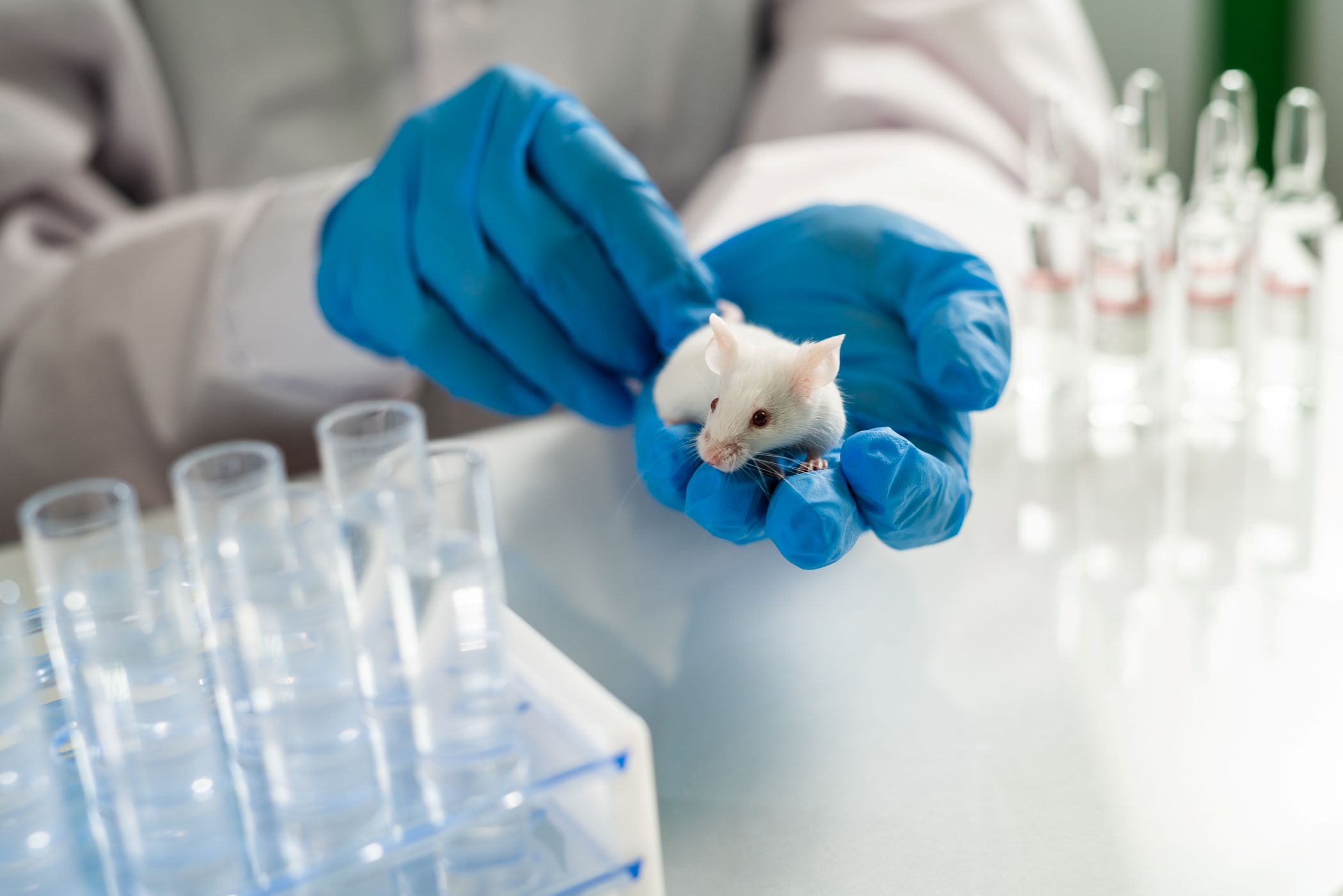
A team from the United States exposed pregnant mice to a mild inflammatory agent so that their offspring would develop brain and behavioural changes similar to those seen in autism spectrum disorder. When these offspring reached adulthood, the researchers administered a dose of rapamycin — an immunosuppressant — and found that several of these changes improved for a few hours, including cerebral hyperactivity, the risk of seizures, sensory hypersensitivity, repetitive behaviours and abnormal organisation of the brain’s functional network. The authors, whose work is published in Nature Communications, emphasise in a press release that these effects are temporary and that repeated administration loses its efficacy. Furthermore, they point out that rapamycin’s high potential for toxicity and the fact that the study was conducted on mice rule out its widespread use in humans.