Martina Gamba

Martina Gamba

Martina Gamba
Position

Researcher at CONICET, in the Center for Mineral Resources and Ceramic Technology at the National University of La Plata (Argentina)

A UN report highlights the impact of critical mineral extraction on the health of the most vulnerable
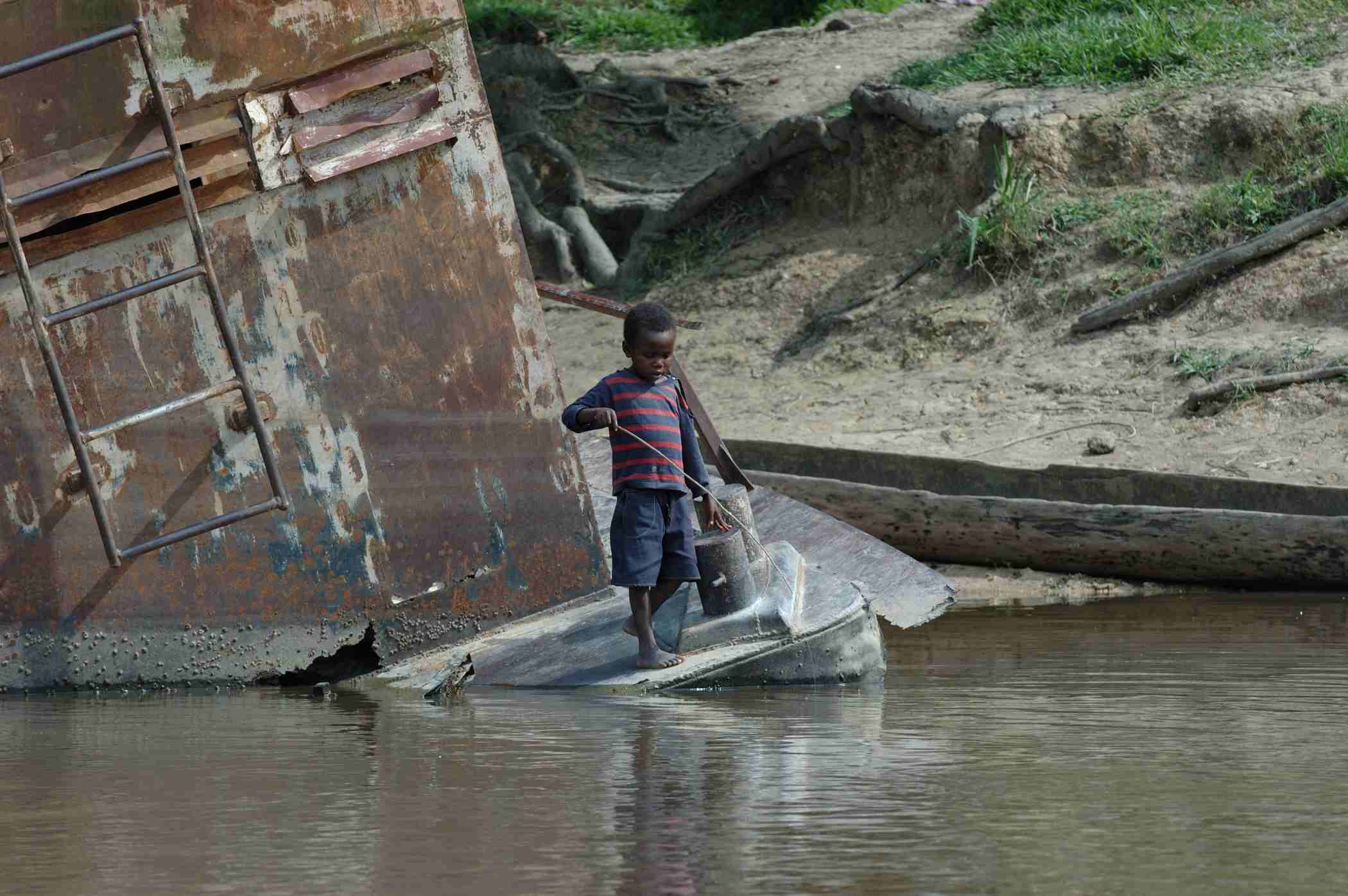
The accelerated extraction of critical minerals such as lithium and cobalt is causing water insecurity and health risks, according to a report by the United Nations University Institute for Water, Environment and Health (UNU-INWEH), which refers to them as the “oil of the 21st century.” The high water consumption of mining operations limits access to water for other purposes such as agriculture, fishing, and human consumption. Furthermore, data from various regions in South Africa, Bolivia, and the Democratic Republic of the Congo reveal “widespread heavy metal contamination and exposure to toxic waste,” the report states. This leads to health problems including fetal malformations and chronic diseases, which disproportionately affect women and children.
 

0

Two low-pollution alternatives proposed to extract lithium from diluted brines like seawater

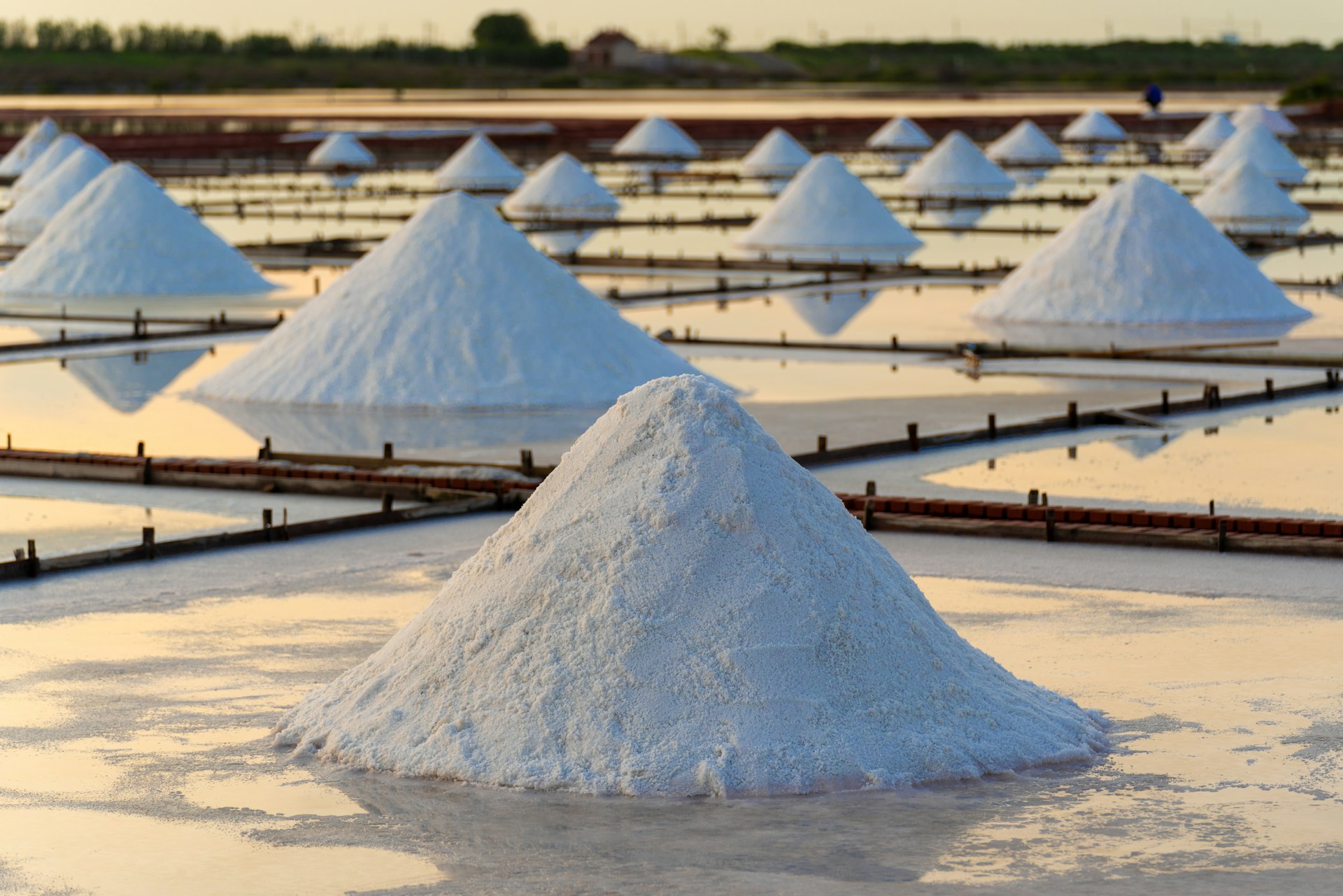
Lithium, a material widely used for battery production, is typically extracted from rocks and concentrated brines, but these reserves are expected to run out by 2080. The alternative is to evaporate more diluted brines (such as seawater), but the traditional process is inefficient, polluting, and consumes large amounts of water. Two new studies published in Science propose two more viable and environmentally friendly alternative methods: the first uses a membrane that filters lithium through a transpiration system similar to that of plants, requiring only solar energy. The second combines electrodes to mimic a battery and move lithium from the brine (cathode) to fresh water (anode).

0