Jesús Francisco García-Gavilán

Jesús Francisco García-Gavilán

Jesús Francisco García-Gavilán
Position

Researcher in the Food, Nutrition, Development, and Mental Health group, Department of Biochemistry and Biotechnology, Rovira i Virgili University

A large-scale study reinforces the link between following an environmentally friendly diet and lower mortality rates

The Planetary Health Diet promotes environmentally sustainable consumption, based, among other things, on increasing vegetable intake and reducing dairy and red meat consumption. Previous studies had found an association with better human health, although there were some conflicting results. Now, a study combining two cohorts of more than 150,000 people and a meta-analysis of 37 studies involving more than three million volunteers reinforces this association, finding that greater adherence to the diet is associated with lower all-cause mortality. The results are published in the journal Science Advances.


0

The rationing of sugar in early years reduces the risk of chronic diseases in adulthood

The restriction of sugar during the first 1,000 days of life, starting from gestation, may protect against diabetes and hypertension in adulthood, according to a study published in Science. The research uses data from sugar rationing implemented in the United Kingdom after World War II. The findings highlight the long-term benefits of reduced sugar intake during early development.

0

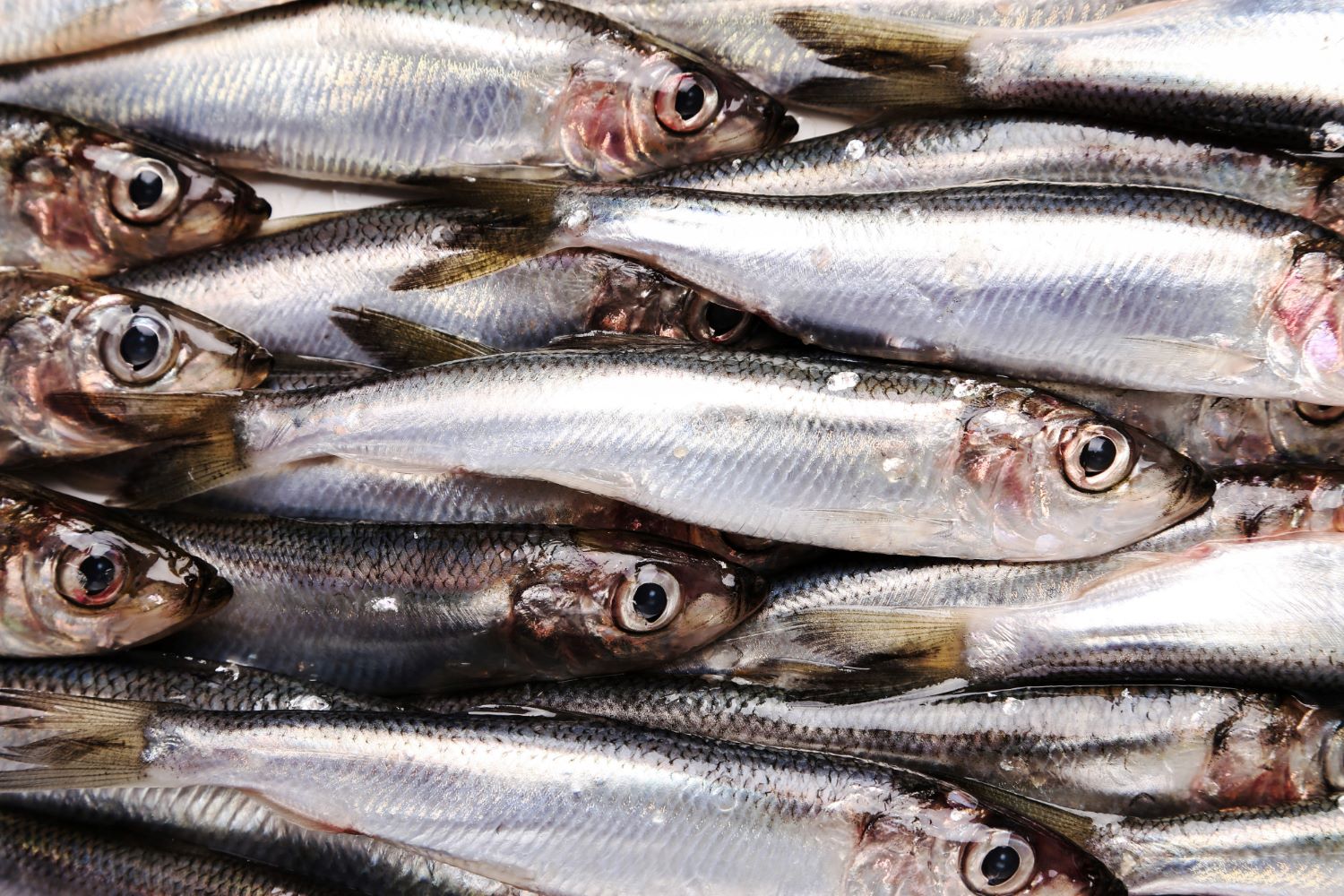
Reactions: Study estimates that replacing red meat consumption with sardines or anchovies could prevent up to 750,000 deaths by 2050

Switching some of the world's red meat consumption to forage fish - such as sardines, herring or anchovies - would reduce the number of deaths by between 500,000 and 750,000 by 2050, according to a study published in BMJ Global Health. The authors used data projections for that year for both red meat consumption and forage fish catches in 137 countries, substituting one for the other without exceeding the supply limit for the latter. The research estimates that sardines, herring and anchovies could replace 8% of the world's red meat, which would also serve to reduce the prevalence of diet-related diseases.

0