Javier Lillo Ramos

Javier Lillo Ramos

Javier Lillo Ramos
Position

Honorary collaborator of the consolidated research group on Terrestrial Global Change and Environmental Geology at Rey Juan Carlos University.

Scientists have observed for the first time that heat from the ocean depths is moving towards Antarctica

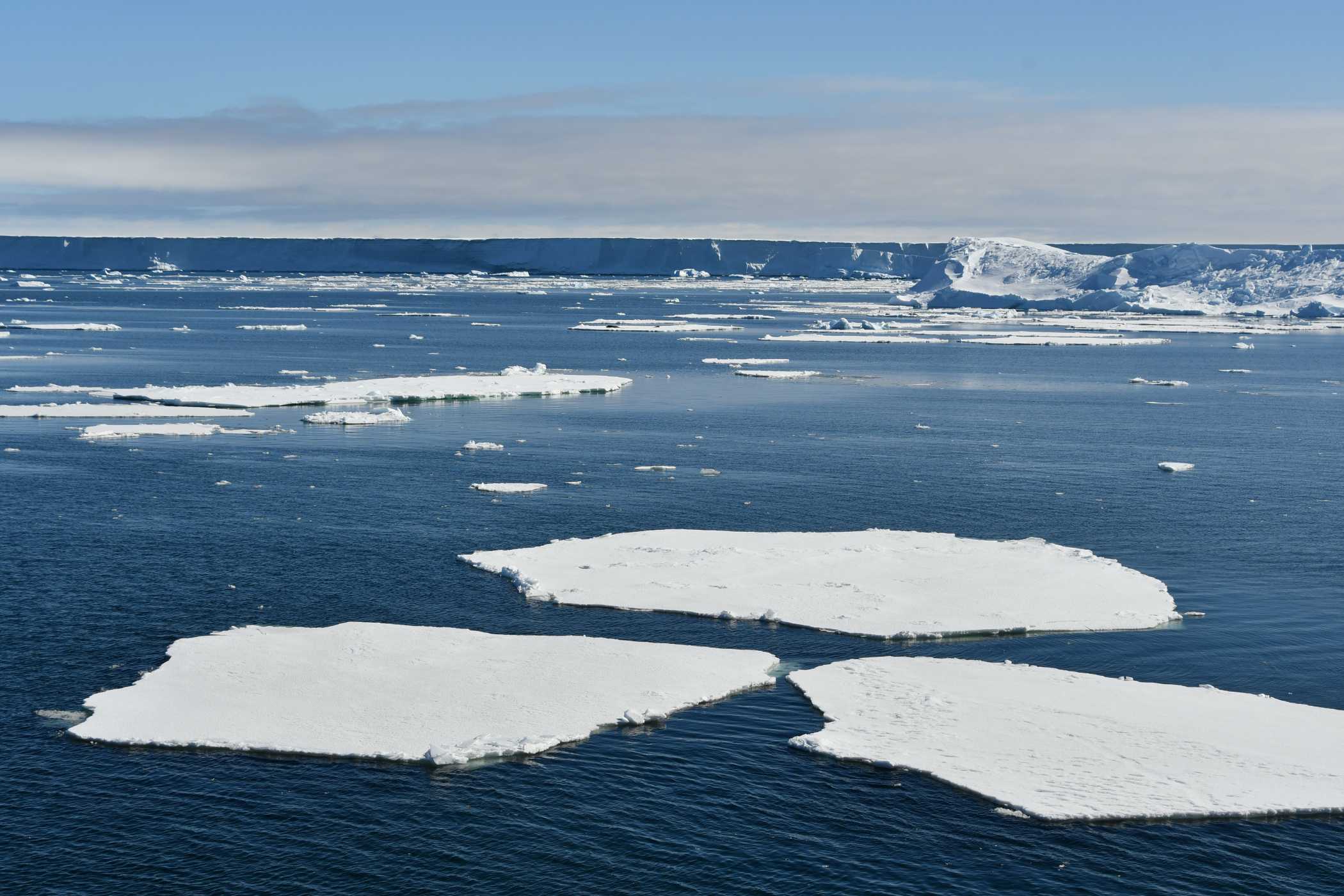
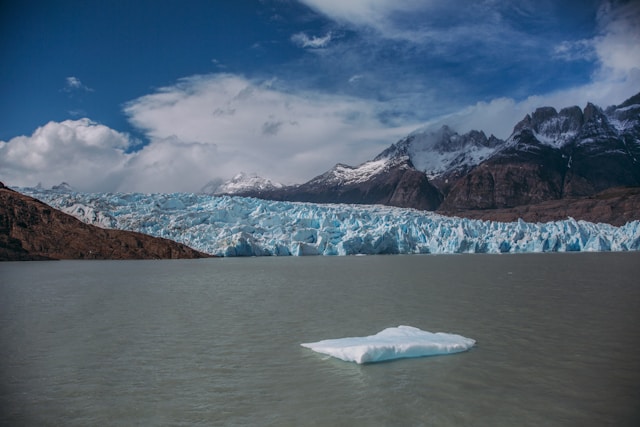
A new study, based on oceanographic data collected by ships and robotic floating buoys over several decades, provides the first evidence that a warm mass of deep circumpolar water is approaching Antarctica, threatening the fragile ice shelves that border it from below. This warming in the Southern Ocean has implications not only for Antarctic ice melt and sea-level rise, but also for global heat regulation, carbon storage and the global climate system. The study is published in Communications Earth & Environment.


0

Antarctica loses 12,800 km² of coastline over 30 years

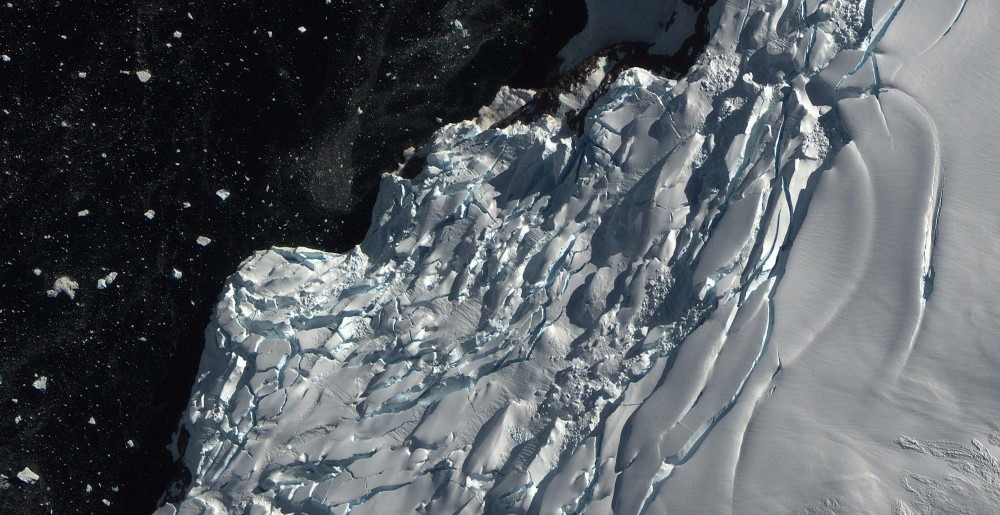
The transition zone between land and sea in glaciers is an indicator of their stability. An analysis of satellite measurements from 1992 to 2025 has shown that 77% of Antarctica’s coastline has experienced no change. The 23% that did see a reduction in area was concentrated in regions where deep troughs allow access to warmer waters and where the bed slopes inland. These include the Antarctic Peninsula, Wilkes and George V Lands, and West Antarctica, where retreat of this transition line ranged between 10 and 40 km. A total of 12,800 km² of ice has been lost —an area roughly equivalent to almost half the size of Galicia— most of it in West Antarctica. The results are published in the journal PNAS.

0