Carles Lalueza-Fox

Carles Lalueza-Fox

Carles Lalueza-Fox
Position

Director of the Museum of Natural Sciences of Barcelona and specialist in DNA recovery techniques in remains from the past

Jane Goodall, icon of primatology and environmentalism, dies

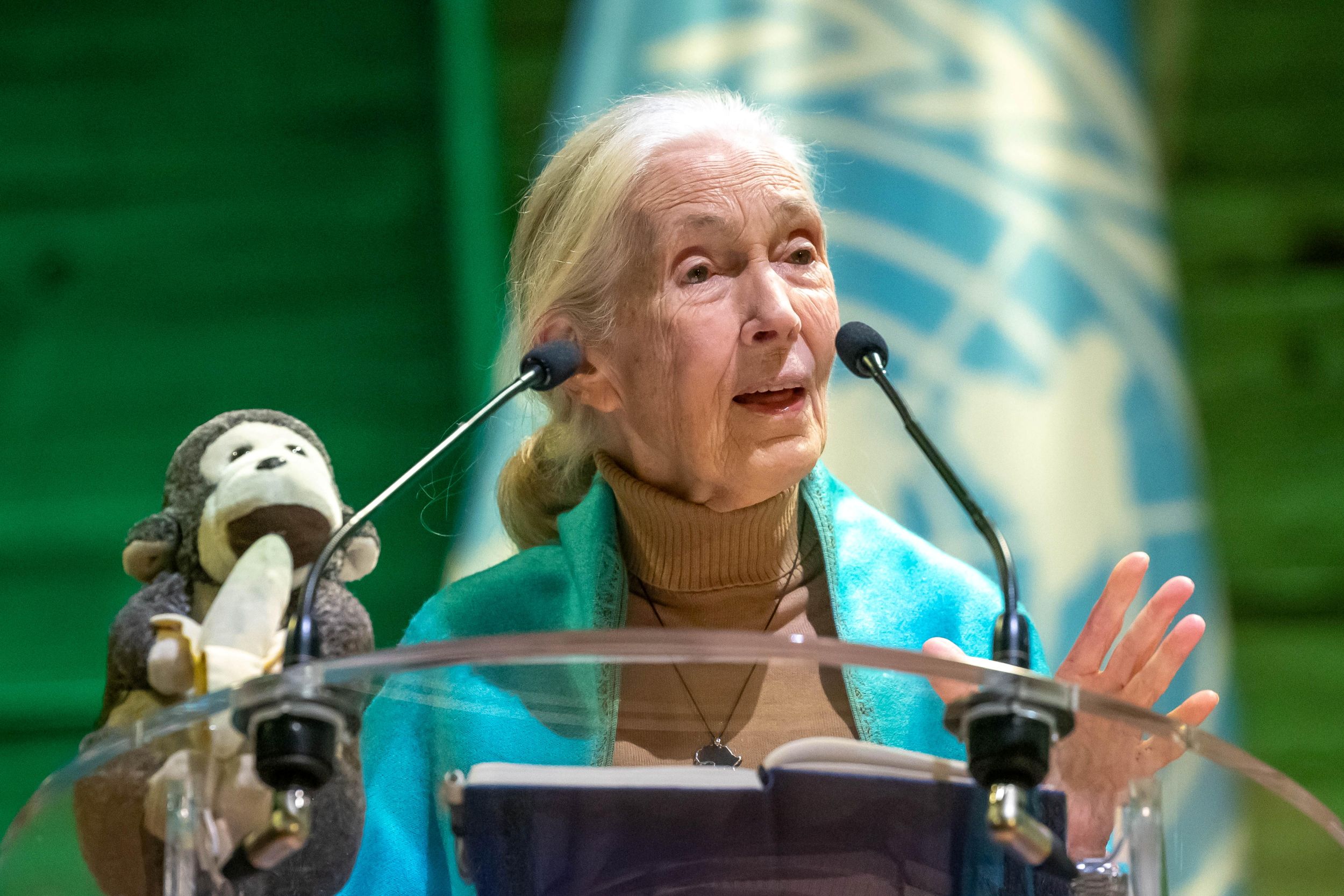
English ethologist Jane Goodall died on Wednesday at the age of 91 in California (United States), where she was participating in a lecture tour. This was announced by the Jane Goodall Institute on its social media. ‘Dr Goodall's discoveries as an ethologist revolutionised science and she was a tireless advocate for the protection and restoration of our natural world,’ the statement said. Her observations and analysis of chimpanzees in the wild over decades were a milestone in primatology.


0

A genetic variant has been discovered that increased height and accelerated metabolism in modern humans

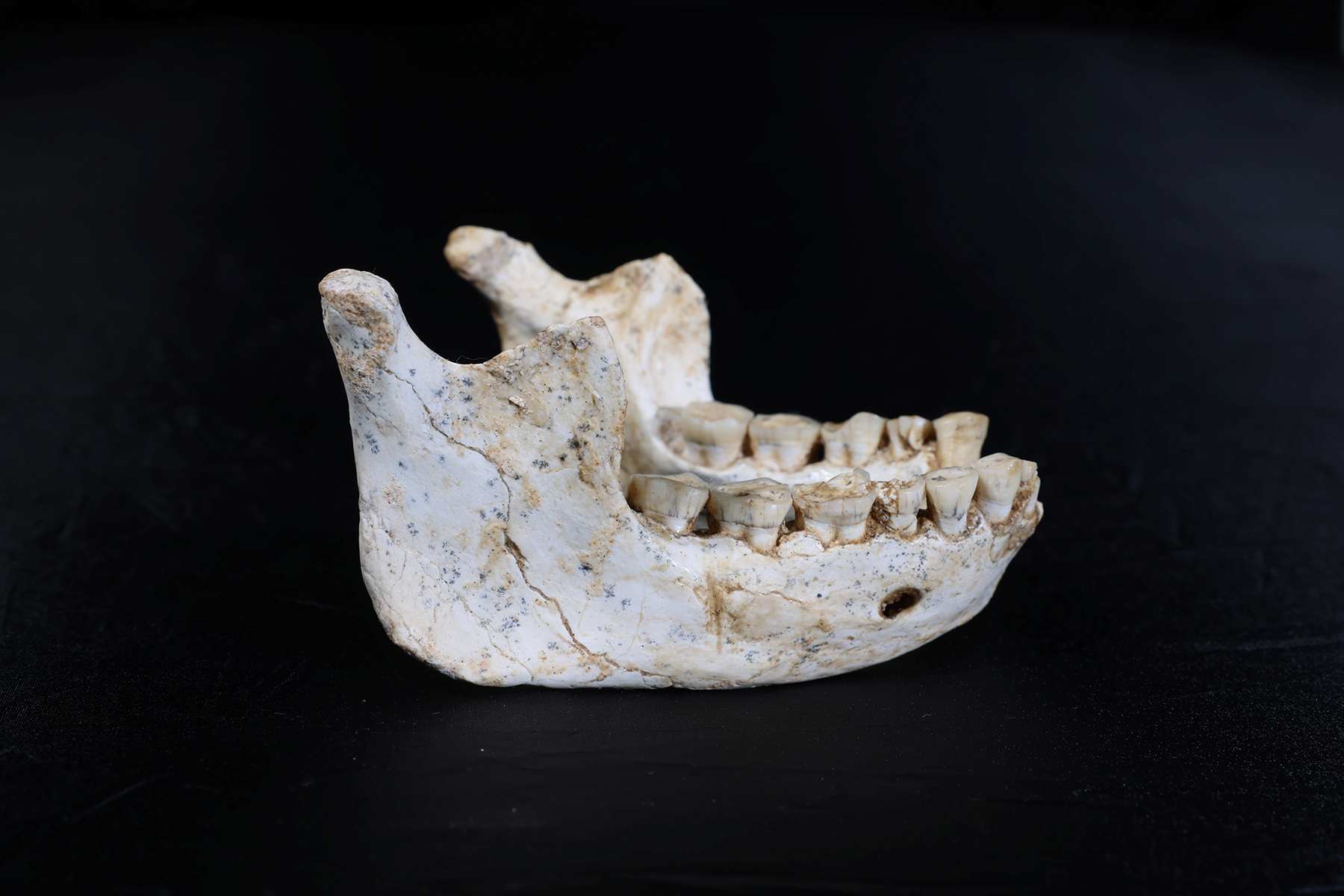
A team from China has analysed the genetic data of more than 450,000 people and identified a variant in a gene that contributed to increased height and basal metabolic rate in modern humans, especially when meat consumption increases. In addition to providing insight into evolutionary processes, the finding ‘also has important implications for understanding susceptibility and resistance to contemporary metabolic disorders such as type 2 diabetes, obesity and metabolic syndrome,’ according to the authors. The results are published in the journal Cell Genomics.

0

Genomic analysis clarifies the chronology of Neanderthal-modern human admixture and its genetic impact on our species

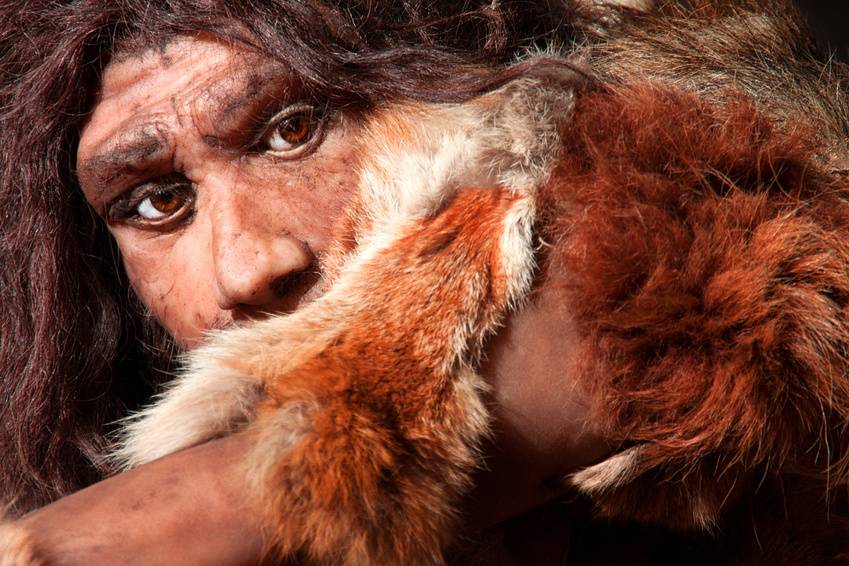
A team of researchers has analyzed more than 300 human genomes from the last 50,000 years and has concluded that most of the gene flow we received from Neanderthals is attributable to a single period, which probably occurred between 50,500 and 43,500 years ago. In addition, Neanderthal inheritance underwent rapid natural selection in subsequent generations, especially on the X chromosome, according to a study published in Science.

0

Mammoth DNA recovered for the first time with its chromosome structure

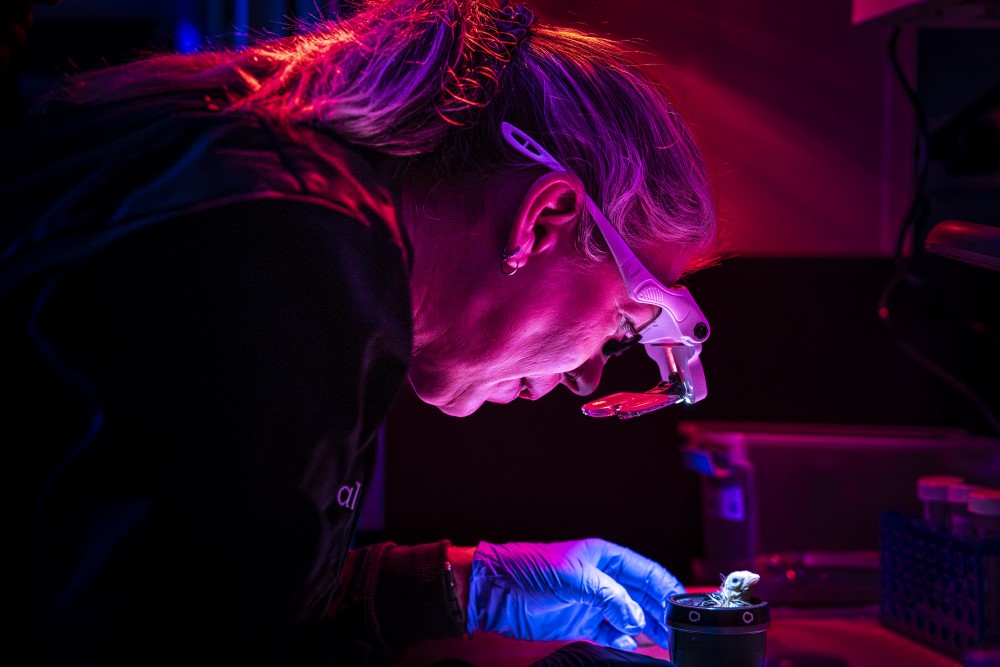
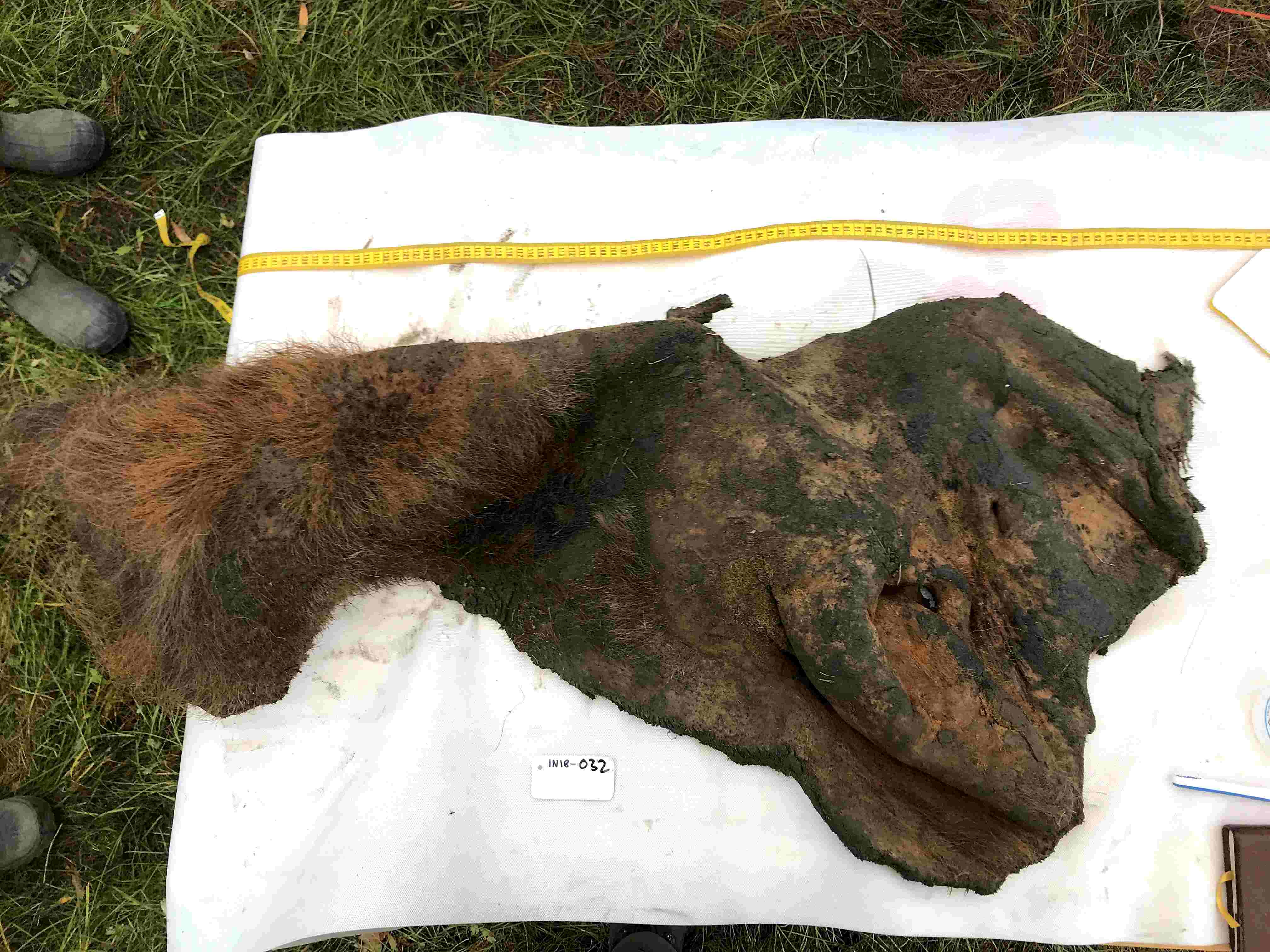
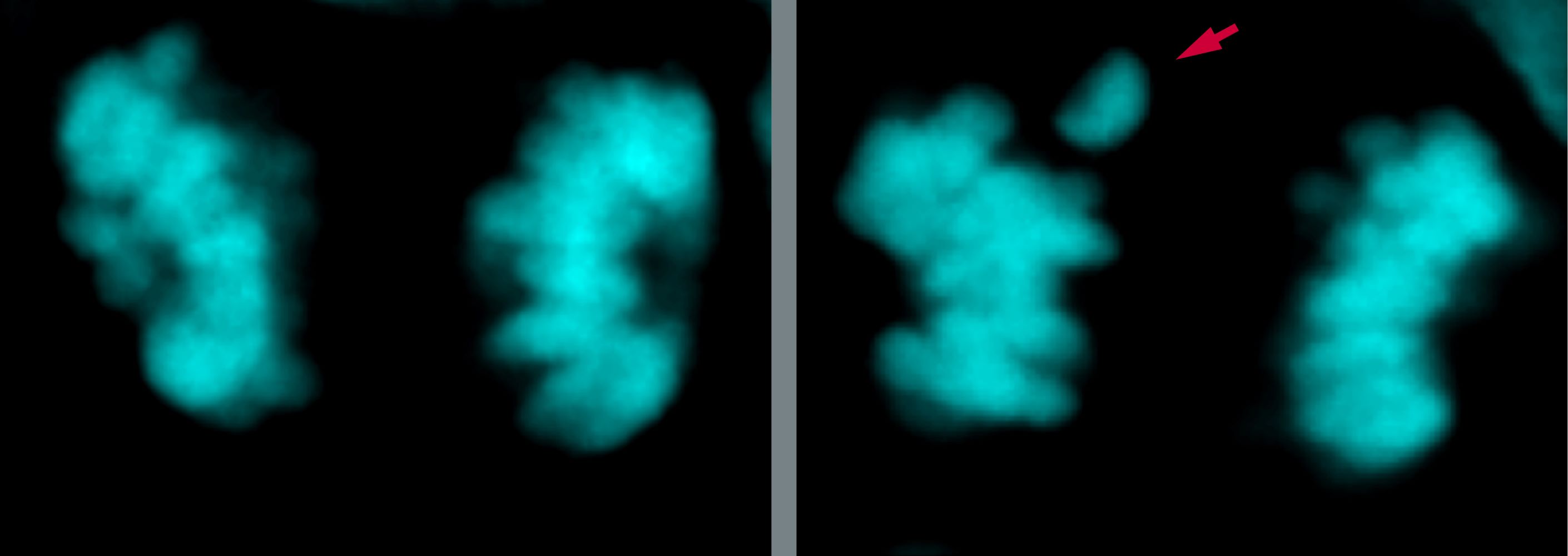
An international team of scientists, including researchers from the CRG and the CNAG (Barcelona), have managed to recover DNA remains from a female woolly mammoth that died in Siberia 52,000 years ago. The novelty is that, for the first time, the remains conserve the three-dimensional structure in the form of chromosomes, which makes it possible to investigate the genes that were active. According to one of the authors of the study, the results of which are published in the journal Cell, this type of discovery "changes the rules of the game, because knowing the shape of the chromosomes of an organism allows us to assemble the entire DNA sequence of extinct creatures and obtain information that was not possible before".

0