pharmacology

pharmacology

pharmacology

The European Commission presents its proposal on the Critical Medicines Act to guarantee supply and reduce external dependence

On Tuesday the European Commission presented the draft of its new Critical Medicines Act. Its objective is to address the serious shortage of medicines and healthcare products, reduce external dependence on critical medicines and ingredients — especially from Asia — and guarantee the supply of affordable medicines in the European Union.

0

Aspirin reduces the formation of metastasis in mice, according to a study

An international team has found that aspirin is capable of reducing the appearance of metastasis in mice, by enabling the activation of T lymphocytes capable of recognising tumour cells. The research showed that several different mouse cancer models — including breast cancer, colon cancer and melanoma — treated with aspirin showed a lower rate of metastasis in other organs, such as the lungs and liver, compared to untreated mice. According to the authors, who publish the results in the journal Nature, ‘the finding paves the way for the use of more effective anti-metastatic immunotherapies’.

0

A study associates a type of antidepressant with accelerated cognitive decline in people with dementia

People with dementia who are prescribed a specific type of antidepressant experience a faster cognitive decline than people who do not use these drugs, according to a study published in BMC Medicine. In particular, prescriptions for higher doses of selective serotonin reuptake inhibitors (SSRIs), a type of antidepressant, were associated with a higher risk of severe dementia, fractures and mortality. The analysis includes data from more than 18,000 patients from a Swedish database between 2007 and 2018.

0

Association found between the use of drugs such as vaccines, antibiotics or anti-inflammatory drugs and lower risk of dementia

A review of 14 studies and data from more than 130 million patients has found an association between the use of drugs such as anti-inflammatory drugs, antibiotics and vaccines and a reduced risk of dementia. The authors recall that “the fact that a particular drug is associated with an altered risk of dementia does not necessarily mean that it causes or helps against it.” However, “pooling these huge health data sets provides a source of evidence that can help us decide which drugs to try first.” The research is published in the journal Alzheimer's and Dementia: Translational Research & Clinical Interventions. 

0

Use of GLP-1 analogue drugs is associated with benefits but also health risks

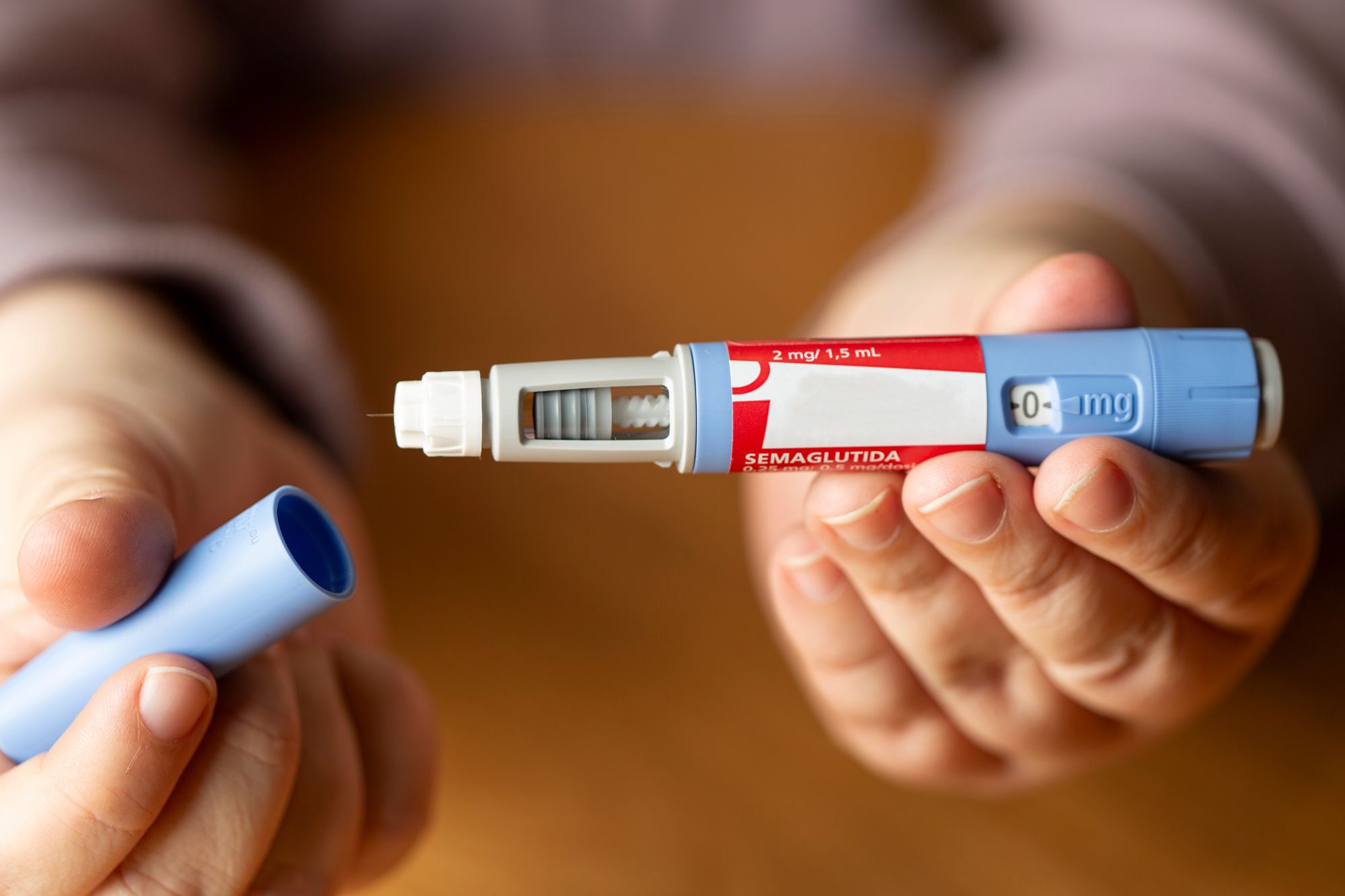
The use of glucagon-like peptide-1 receptor agonists (GLP-1RAs), used to treat diabetes and obesity, may be associated with a wide range of health effects, both positive - such as a reduced risk of cardiometabolic disorders - and negative - an increased risk of gastrointestinal conditions or hypertension. These are the conclusions of an observational study published in Nature Medicine. The findings are based on analysis of data from 2.4 million participants.

0

EMA revises earlier decision and decides to approve lecanemab for Alzheimer's disease

Less than four months after the European Medicines Agency recommended in July not to grant marketing authorisation for Leqembi™ (lecanemab) for the treatment of Alzheimer's disease, the EMA's Committee for Medicinal Products for Human Use (CHMP) has reassessed the available evidence to conclude that the benefits outweigh the risks.


0

Study warns of inequality between countries in accessing new cancer drugs

Despite considerable advances in the discovery and development of new cancer drugs, there are significant disparities in both the availability and timeliness of these medicines around the world, with the poorest countries being left out, according to an analysis published in the journal BMJ Global Health. According to the study, few new cancer drugs were launched in low- and lower-middle-income countries, and the gap between rich and poor countries widened over the three decades between 1990 and 2022.

0

Some treatments approved for multiple sclerosis are not effective for certain forms of the disease, according to a study.

Rituximab and ocrelizumab are two antibodies with a similar mechanism of action that are used in the treatment of multiple sclerosis. Although the former had not shown benefits in primary progressive multiple sclerosis — which affects between 10% and 15% of patients — the latter is approved for this form of the disease. Now, a study conducted in France with more than 1,000 patients has found no benefits with either treatment, as they did not slow the progression of disability in these individuals. The results are published in the journal Neurology.

0

New migraine drugs less effective than triptans, says meta-analysis

An international team of researchers has conducted a meta-analysis of 137 clinical trials involving nearly 90,000 people to assess the migraine efficacy of 17 available drugs. Their conclusions are that four drugs in the triptan group are more effective and cheaper than newer drugs such as gepants or lasmiditan, and that the efficacy of the latter is comparable to that of paracetamol and most anti-inflammatory drugs. The results are published in The BMJ.

0