embryonic development

embryonic development

embryonic development

Reactions to the two preprints on models of human embryos created from stem cells in the laboratory
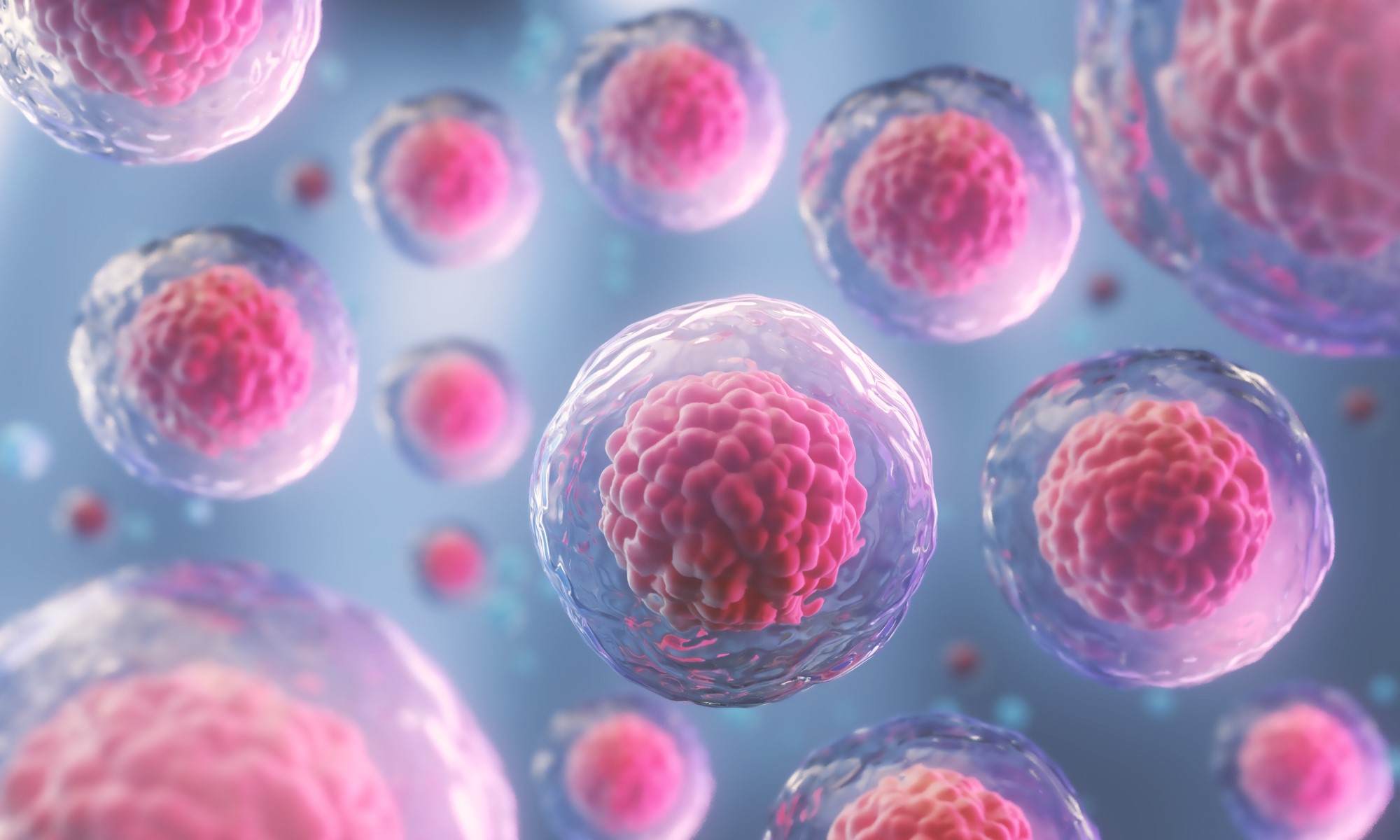
The Guardian newspaper reported on Wednesday that Magdalena Zernicka-Goetz's team had announced the generation of synthetic human embryos from stem cells at the annual meeting of the International Society for Stem Cell Research in Boston. The author later denied on Twitter that they were synthetic human embryos and spoke only of models, warning that it was pending publication in a scientific journal. The day after the publication in The Guardian, and as reported in El País, Jacob Hanna and his team published a preprint - a publication that has not been peer-reviewed - in bioRxiv on models of human embryos generated from stem cells without genetic editing. A few hours later, Zernicka-Goetz's team posted their preprint on bioRxiv.

0
On the challenges posed by synthetic human embryos

The latest episode of competition between research groups working on the same topic, a very common situation in science, should not distract us from the actual achievement: synthetic human embryos, in the laboratory, made from stem cells, up to a post-implantation stage. Now, we must decide what status or condition we will grant to these synthetic embryos. Once again, science is leaping forward and testing the limits of the laws, posing new ethical challenges for us to solve. 

1

Reactions to the news on the creation of synthetic human embryos from stem cells

A scientific team has generated synthetic human embryos using stem cells, reports the British newspaper The Guardian. The authors, who announced the breakthrough at the annual meeting of the International Society for Stem Cell Research in Boston (USA), say the model embryos, similar to those found in the early stages of human development, could be crucial for research into genetic disorders and the causes of miscarriages, according to the newspaper. However, the work also raises ethical and legal issues.

0

Reactions: macaque embryo-like structures developed and implanted in utero from stem cells

Chinese researchers have succeeded in developing macaque embryo-like structures from embryonic stem cells. They have also managed to implant them in the uterus of female macaque monkeys and develop a hormonal response similar to that of a gestation, although they have only survived for about a week. According to the authors, whose research is published in Cell Stem Cell, these models could be used to improve our understanding of embryonic development and to investigate the causes of some early miscarriages.


0

Reaction: new technique allows sperm to be selected for sex selection

Researchers in the United States have tested a new technique to select sperm and thereby increase the chances that the embryo will be of either sex. The proven efficacy is around 80 %. Although some countries such as the United States allow this type of procedure, in Spain it is prohibited except in cases of prevention of diseases linked to sex chromosomes. The authors of the article state that sperm selection is more ethically acceptable than embryo selection. The results are published in the journal PLOS ONE.

0

Reactions to the generation of synthetic stem cell-derived mouse embryos

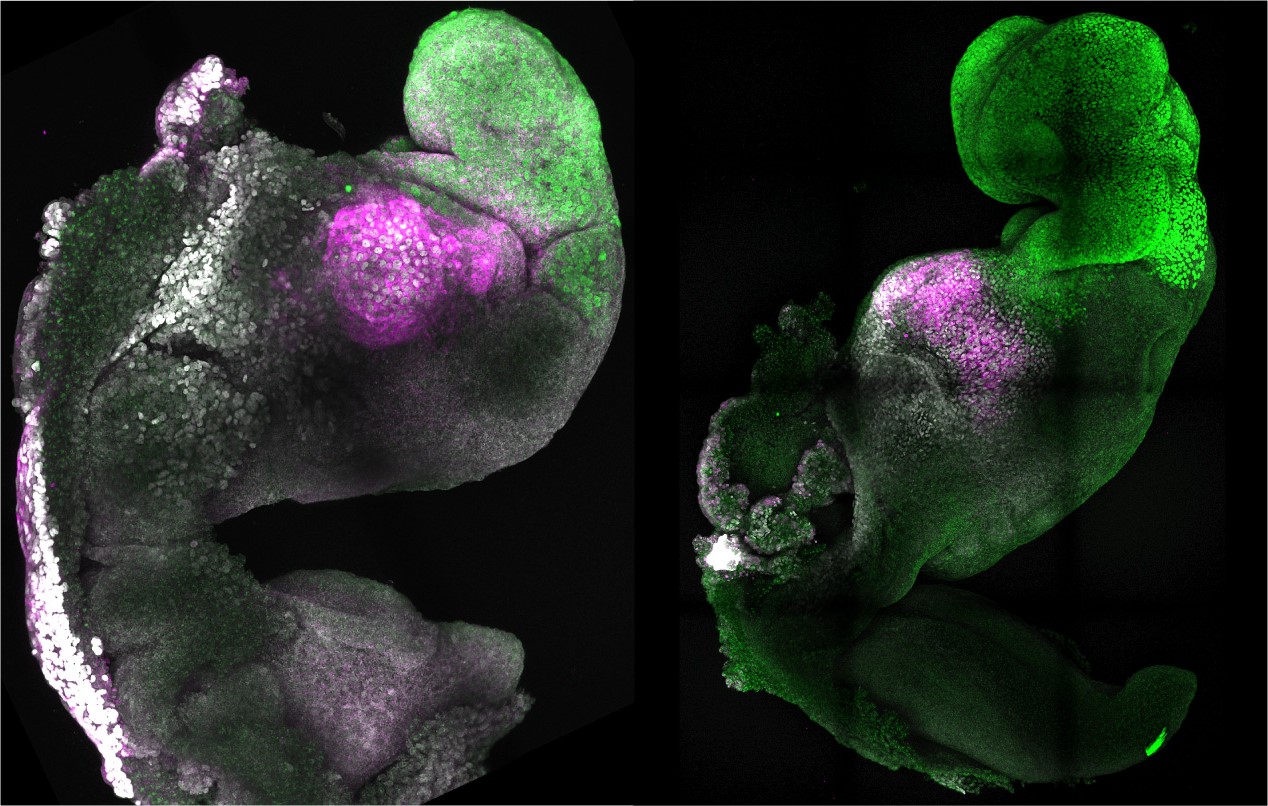
Research published in Nature shows the creation of synthetic mouse embryos derived from stem cells. The embryo model copies the stages of natural rodent embryo development that take place up to day 8.5 after fertilisation and includes regions of the brain, a neural tube and a structure similar to a beating heart.