adolescence

adolescence

adolescence

Cases of anorexia and bulimia have risen by 71 per cent since 1990 and mainly affect young people and women, according to a global study
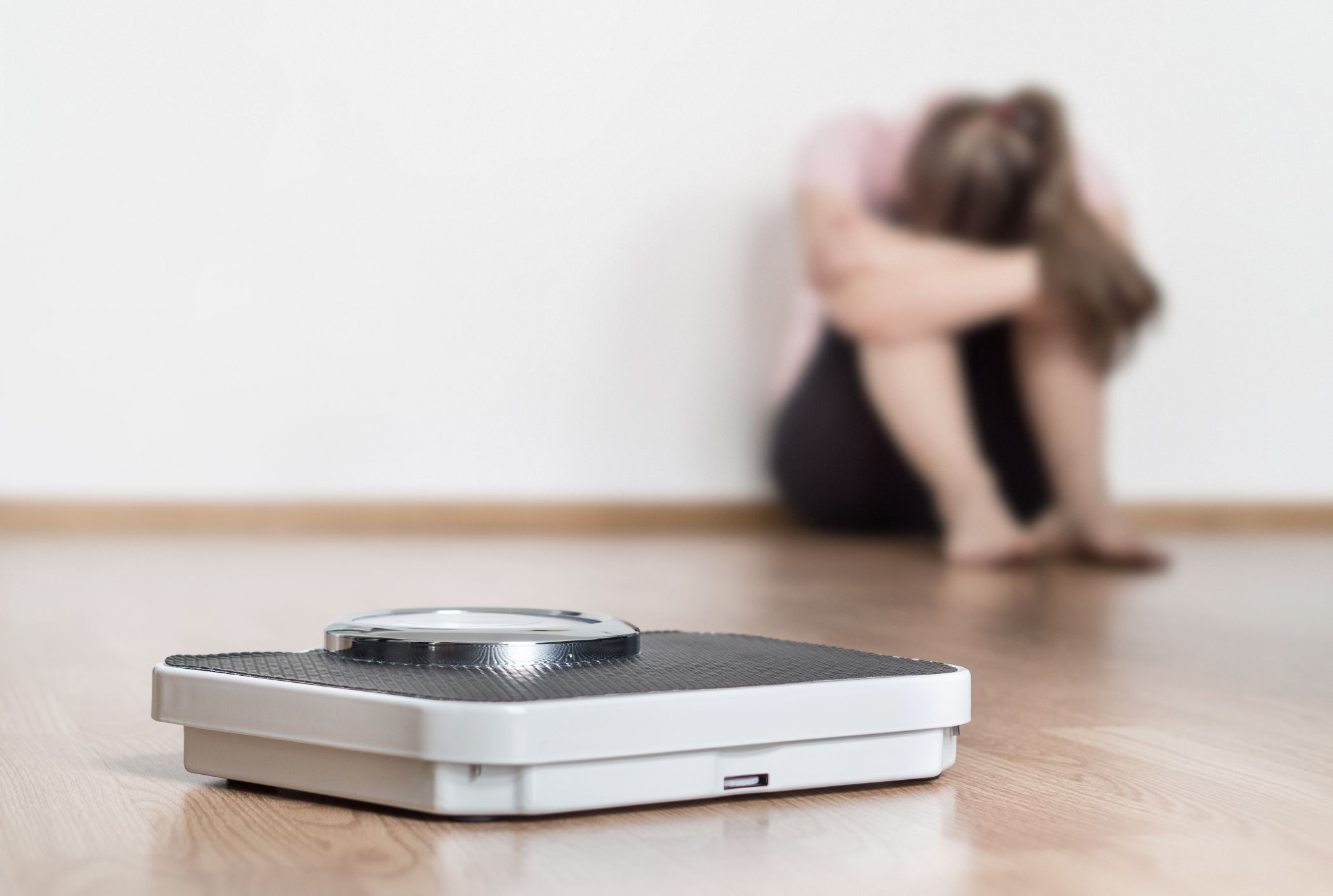
A study published in the journal JAMA Psychiatry, which analysed the prevalence of anorexia and bulimia in 204 countries from 1990 to 2023 by age and sex, has found that the number of cases has risen by 71 per cent. In 2023, an estimated 18.1 million people worldwide were suffering from one of these two eating disorders, of whom 41.2 per cent were young people aged between 10 and 24, and 70 per cent were women. This figure is estimated to rise to 21.8 million by 2050.

0

A comprehensive scientific review confirms inequalities in mental health amongst LGBTQIA+ people

There are inequalities in the mental health of LGBTQIA+ people, supported by highly credible scientific evidence, particularly with regard to depression, suicidal behaviour and symptoms related to eating disorders. These are the main findings of a study led by IDIBAPS and published in the journal World Psychiatry, in which the researchers reviewed 22 systematic reviews with meta-analyses — comprising 398 studies on this topic — and analysed the 162 associations relating to mental health.

0

A global review reveals links between screen use and various child health outcomes

A global review, which analysed 23 meta-analyses containing data on nearly three million children across 64 countries, identified associations between screen use and various aspects of children’s mental health and development. According to the authors, these findings may help to inform and refine guidelines and policies on screen use. The results are published in the journal JAMA Pediatrics.

0

Menopause is the only hormonal transition in a woman’s life that is not associated with a reduction in grey matter or brain volume

A study has analysed structural changes in the female brain during the three main hormonal transitions: puberty, pregnancy and the menopause. To do this, using longitudinal neuroimaging – which records images of the brain over time – the researchers compared women transitioning from one hormonal phase to another with participants currently in those hormonal phases – more than 1,000 women in total. The results, published in Nature Communications, show that the transitions of puberty and pregnancy lead to a reduction in cortical grey matter, whilst women going through the menopause did not show a significant decrease in either cortical grey matter or total brain volume.

0

Most young Australians intended to continue using social media, even if the ban came into force

A study published in the journal JAMA Network Open assessed the attitudes of Australian teenagers in the context of the implementation of minimum age restrictions on social media use in their country. The research team found that the majority of respondents expressed their intention to continue using social media after the regulations came into force, despite the fact that, in this sample, symptoms of anxiety and depression were associated with a history of social media use and with a younger age at the time of first use.


0

The Council of Ministers has approved the draft tobacco bill, which extends smoke-free areas and bans smoking by minors

On Tuesday, the Council of Ministers approved the draft bill amending the current Tobacco Act, which was passed in 2005. The bill now begins its passage through Parliament and includes new measures to tackle smoking and regulate tobacco-related products. The text prohibits the consumption of tobacco by minors — in addition to its sale —, extends smoke-free zones to outdoor seating areas and other spaces, and restricts the advertising of tobacco-related products. It also treats e-cigarettes and other devices in the same way as traditional tobacco cigarettes, amongst other measures.

0

A study claims that social media bans for teenagers lack evidence and may carry risks

A team from the University of California (USA) has published an article questioning the scientific evidence supporting bans on social media for teenagers. Among other reasons, they argue that studies conducted to date on restricting social media use have focused on adults. Furthermore, as one of the authors points out in a press release, these restriction experiments "show weak, negligible, and mixed effects, with 40% of experimental studies reporting harmful effects (e.g., lower life satisfaction and increased loneliness) or no effect from social media restrictions." Some of the authors, whose article is published in Frontiers in Developmental Psychology, declare having ties to companies in the social media industry.

0

A review of studies from 12 countries shows that cases of self-harm in children and young people are increasing, especially among girls

A team from Canada conducted a review and meta-analysis of 42 studies on self-harm in children and young people from 12 high-income countries between 2000 and 2024. According to the available data, corresponding to more than 200 million people under 25 years of age, there was an annual increase of 2.5% in self-reported self-harm and 3.5% in medical visits for self-harm, particularly among girls. The results are published in JAMA Pediatrics. 

0

The Minister of Consumer Affairs announces that the sale of energy drinks to minors under the age of 16 will be banned throughout Spain

Speaking to the media in Barcelona, the Minister for Social Rights, Consumer Affairs and the 2030 Agenda, Pablo Bustinduy, announced that the ministry will ban the sale of energy drinks to minors under the age of 16 in Spain. The regulation will also apply to minors under the age of 18 when the drinks contain more than 32 milligrams of caffeine per 100 millilitres.

0

Academic pressure during adolescence is linked to depression and self-harm into early adulthood

High academic pressure during adolescence is linked to increased rates of depressive symptoms and self-harm, which can persist into early adulthood. This finding, published in The Lancet Child & Adolescent Health, was observed in a sample of nearly 5,000 young people born in England (UK) in 1991 and 1992. Academic pressure was measured when participants were 15 years old, mental health was assessed repeatedly between ages 16 and 22, and self-harm was tracked up to age 24. While the association with depressive symptoms was observed up to age 22, it was strongest at 16. Regarding self-harm, each one-point increase in academic pressure was associated with an 8 % higher likelihood of engaging in self-injurious behavior.

0