A review questions the efficacy of the painkiller tramadol for chronic pain
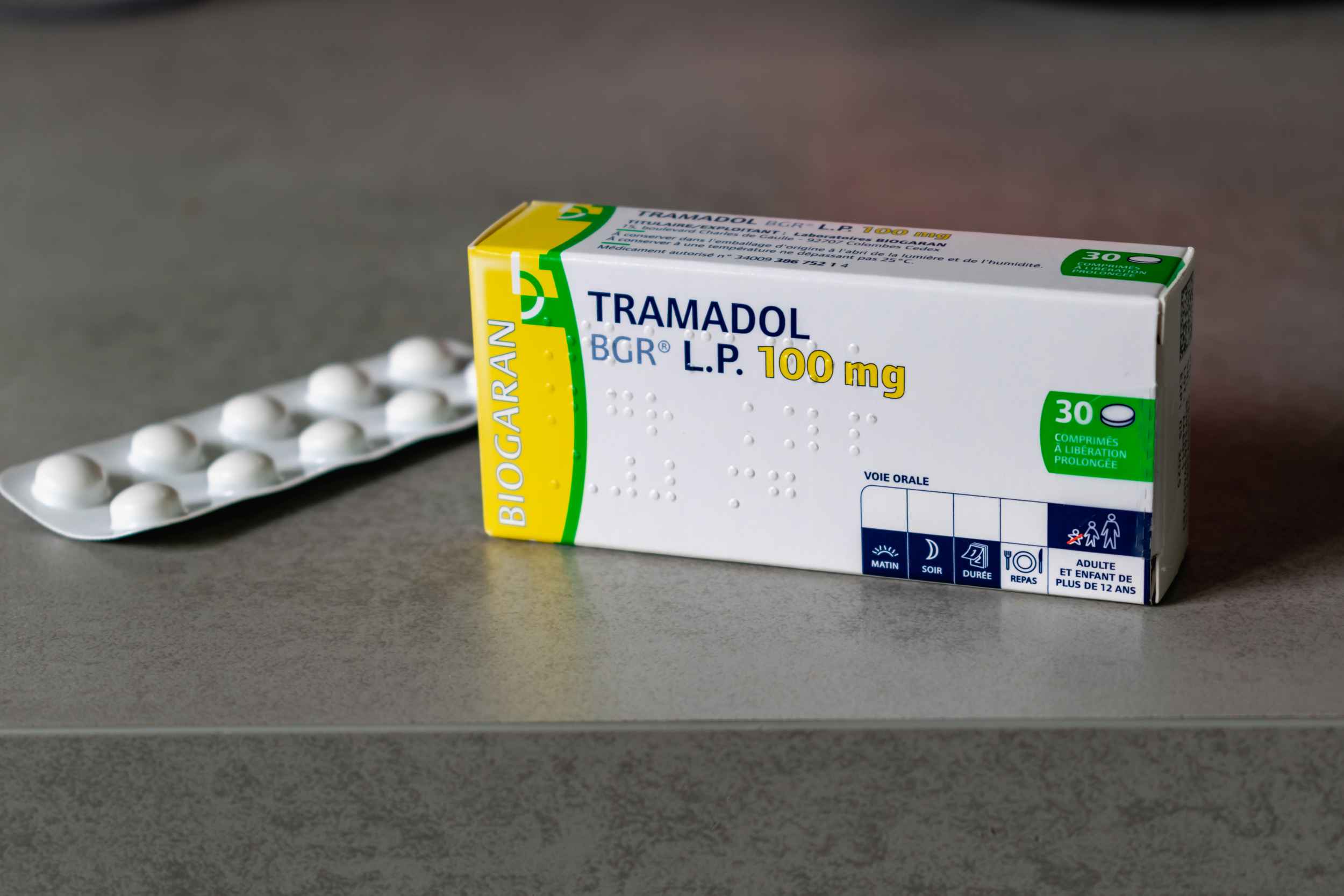
Tramadol is a painkiller prescribed for chronic pain and is considered safer than other opioids. A systematic review with meta-analysis that included 19 clinical trials with more than 6,500 people showed that, although it relieved pain, the effect was small and below what would be considered clinically effective. In addition, the analysis indicated that the drug is likely to increase serious adverse events, particularly cardiac events. Although an increased risk of some types of cancer was also detected, the authors question this effect due to the short follow-up period. ‘Given the limited analgesic benefits and increased risk of harm, the use of tramadol for chronic pain should be reconsidered, with preference given to safer alternatives and additional high-quality trials to clarify its risk-benefit profile,’ the researchers note in the study, published in BMJ Evidence Based Medicine.
Enrique Cobos - tramadol dolor crónico EN
Enrique J. Cobos del Moral
Professor of Pharmacology at the University of Granada and coordinator of the Working Group on Basic Sciences in Pain and Analgesia of the Spanish Pain Society
The study follows a solid methodology, based on a systematic review and meta-analysis of clinical trials, also incorporating trial sequential analysis, which strengthens the statistical validity of the findings. However, as with all studies of this kind, it is important to contextualize the data and interpret the results with caution.
This work provides a global perspective on the use of tramadol for chronic pain, beyond specific indications. The results show that this drug may reduce pain, although with a very small effect size, while increasing the risk of adverse events, and some of them can be severe. The novelty of this study lies in the fact that previous research had not analyzed the balance between the benefits and risks of tramadol in such a comprehensive way.
In clinical practice, these results call for a reconsideration of the role of tramadol in the management of chronic pain, always weighing carefully each patient’s profile and the individual response to this drug. It should not be forgotten that patients with chronic pain have very few safe and effective therapeutic alternatives, and withdrawing them without offering them better options can leave them without useful resources. Perhaps the most important message from this study is the urgent need to strengthen preclinical and clinical research to develop new, more effective and safe analgesics.
Alicia Alonso Cardaño - tramadol dolor crónico EN
Alicia Alonso Cardaño
Specialist in Anaesthesiology, coordinator of the Opioids Working Group of the Spanish Pain Society and associate editor of the Journal of the Spanish Pain Society (RESED)
This review presents an analysis of data from a high-level scientific publication, and therefore acknowledges that almost all of the studies included have a high risk of bias and that the results obtained were very heterogeneous.
It is known that tramadol has moderate analgesic potency and that, like other opioid analgesics, it increases the likelihood of experiencing serious events (addiction, tolerance, aberrant behaviour, etc.) compared to placebo.
However, what reduces the reliability of the results is the fact that the trials included in the analysis had a maximum follow-up of 12 weeks, with a duration of between 2 and 16 weeks, which limits the ability to establish causality between tramadol use and the development of cancer. This is too short a period for drug-induced neoplasms to develop. The neoplasms could have been pre-existing, coincidental, or influenced by other factors not controlled for in the studies.
Based on the data available to date, no published study can conclude that tramadol causes cancer. The results of this study were considered to be at high risk of bias, so the conclusions should be adjusted accordingly.
Jehad Ahmad Barakji et al.
- Research article
- Peer reviewed
- People
- Systematic review
- Meta-analysis