Regions in our DNA that control genes related to hibernation have been identified
At least some of the genes that enable hibernation in certain animals are also found in our DNA, but they are regulated differently. Now, researchers at the University of Utah (United States) have analyzed the human genome and identified specific regions and changes that affect this regulation, which could be useful in the future to take advantage of some of its benefits. According to the researchers, who share their findings in two papers published simultaneously in the journal Science, "there is a possibility that, by understanding these mechanisms, we may find strategies to intervene and help with age-related diseases and improve our own health".

Villanueva - hibernación (EN)
José Luis Villanueva-Cañas
Bioinformatics Specialist at Hospital Clínic de Barcelona
The hibernation phenotype is a highly complex physiological process that involves multiple dimensions, such as body temperature regulation, neuroprotection against extreme conditions, metabolic suppression, and the efficient mobilization of lipid reserves, among others. For years, scientific evidence has suggested that the genetic elements involved in this phenomenon—that is, the genes and molecular pathways that support it—are not exclusive to hibernating species but are present in the genome of all mammals. This hypothesis is supported by the fact that hibernation has evolved independently in several phylogenetically distant species, which points to the existence of a common repertoire of shared "molecular building blocks" that can be activated or repressed depending on the evolutionary or environmental context.
What is relevant, therefore, is not so much the presence or absence of certain genes, but rather how these components are regulated and coordinated (through transcriptional, epigenetic, and post-transcriptional control mechanisms) to generate the physiological state of hibernation. In other words, the key seems to lie in the regulatory architecture and functional dynamics of the genome, rather than in its raw genetic content. This is the starting point of both studies, which attempt to investigate the genetic regulation of these common genes. They focus on the study of cis-regulatory elements (CREs), which are parts of the genome that regulate gene activity. Furthermore, they use omics technologies that allow the interaction of these elements to be investigated in three dimensions, since the natural state of the genome is not a linear sequence but a three-dimensional structure, such that a region that is linearly distant from another can interact with it because the folds make it close in space.
A particularly interesting aspect is that many species that exhibit hibernation, such as certain squirrels, bats, and even some primates, have close relatives that do not exhibit this ability. This fact offers a unique opportunity to comparatively study these sister species, allowing us to identify what genomic, transcriptomic, or epigenetic differences may explain the presence or absence of the hibernating phenotype. This is precisely what the authors of the study explore, systematically integrating data from different omics technologies and comparatively and exhaustively analyzing multiple species to unravel the evolutionary and molecular principles underlying hibernation. This is undoubtedly one of the study's strengths. Furthermore, the authors go further and use a murine experimental model (mice) to eliminate certain CREs and study their effect on their physiology. These types of experimental validation studies are both costly and very interesting.
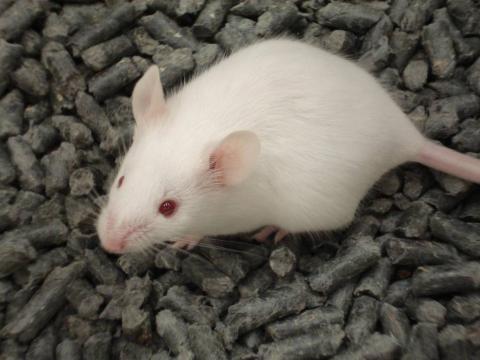
However, they have certain limitations, as mice are not actually hibernating animals but are simply capable of inducing a brief torpor under fasting conditions. Therefore, they are not the ideal model to study (but it would be extremely complicated and unethical to use any other). Another limitation is that the deletions are made in the germline, meaning that the gene expression changes and phenotypes observed could be the result of developmental effects or indirect influences from other tissues. CRE interactions are very complex and likely operate in a variety of tissues, cell types, and physiological contexts, and the study focuses on the hypothalamus. More similar studies are likely to follow in the future.
Overall, the articles represent a significant advance in understanding the genetic basis of extreme metabolic adaptations, using the tools available today quite comprehensively. This is another step in the study of this extremely interesting phenotype, which can provide many benefits for human metabolic control with significant impact on health. Understanding how these changes occur during torpor can inform new strategies to address human health problems such as obesity, neurodegeneration, aging, and insulin sensitivity, to name a few.
Cerri - hibernación genes EN)
Matteo Cerri
Associate Professor of Physiology at the Department of Biomedical and Neuromotor Sciences, University of Bologna (Italy)
The article is very interesting and points in a highly promising direction. The quality of the manuscript is excellent, and I have no concerns.
Anecdotal evidence (see, for instance, https://youtu.be/o-odCEmcT4U?t=666) suggests that humans – or at least some individuals – may still possess the ability to enter a state of torpor. So far, although this paper provides supporting evidence, a concrete demonstration of possible (and inducible) human torpor is still lacking.
Steinwand et al.
- Research article
- Peer reviewed
Ferris et al.
- Artículo de investigación
- Revisado por pares