More than 200 types of proteins associated with cognitive decline identified in rat brains
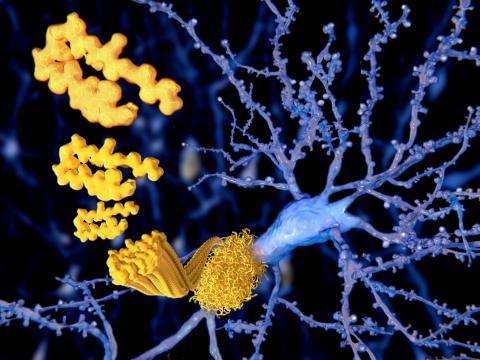
Alzheimer's disease, the most common form of dementia, is linked to the presence of tau protein deposits and amyloid plaques in the brain. Now, a team at Johns Hopkins University (USA) has identified more than 200 misfolded proteins in rat brains that are associated with age-related cognitive decline. Although the study does not allow us to know whether they play a causal role, the authors claim that amyloid plaques ‘are just the tip of the iceberg.’ The results are published in the journal Science Advances.
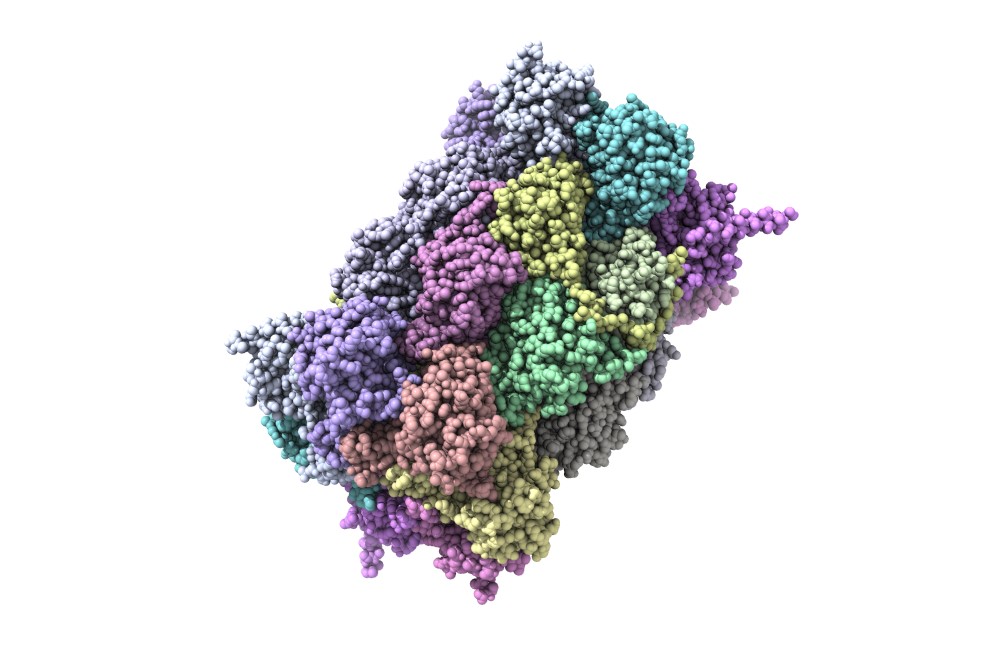
Fried Lab, Johns Hopkins University
Mercè Boada - ratas 200 proteínas alzhéimer
Mercè Boada Rovira
Neurologist and medical director of Ace Alzheimer Center Barcelona.
The article is of high quality and great complexity. The techniques used and the descriptive methodology are very well detailed, which gives it great scientific rigour. The bibliographic review on which it is based is also noteworthy, which is no small detail.
It reinforces the concepts of protein folding as a cause not only linked to cognition, but also to other pathologies in the future. It may lead to research into drugs linked to these proteins that improve cognition. All of this is consistent but very preliminary. We are talking about animal models, and it will be many years before a component that intervenes in this chemical process can be identified. But it is a major step forward.
[Regarding limitations] Firstly, the technique for obtaining these results is complex and limited to highly specialised centres. Secondly, these results will have to be replicated by other laboratories and researchers to confirm the findings.
Tarbox et al.
- Research article
- Peer reviewed
- Animals