University Hospital Galdakao-Usansolo
If you are the contact person for this centre and you wish to make any changes, please contact us.
Gastroenterologist at the Inflammatory Bowel Disease Unit, Digestive System Department

The journal Tobacco Control has published a study on the proportion of passive smokers in Spain in 2024, which allows for a comparison with three previous editions and, for the first time, includes information on non-smokers’ exposure to smoke on outdoor terraces, as well as to e-cigarette products. The study, carried out by the Spanish Society of Pneumology and Thoracic Surgery (SEPAR), shows, for the first time in the data series, an upward trend in the number of passive smokers. Bar terraces are identified as the main location of exposure. Three of the authors explained the main findings and their recommendations at a briefing organised by SMC Spain.
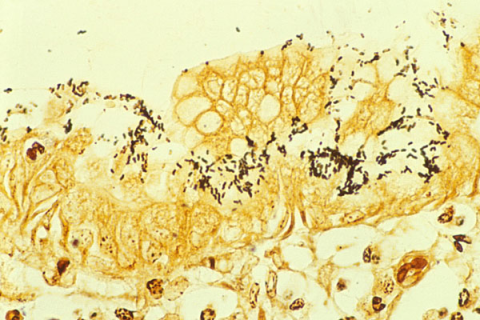
Infection with the bacterium Helicobacter pylori is a known risk factor for stomach cancer. Its link to colorectal cancer, however, remains an unconfirmed hypothesis. An international team has reviewed 43 studies on this subject and found that 22 per cent of colorectal cancer cases could potentially be linked to this infection, although when they selected the 14 most reliable studies, the figure fell to 12 per cent. According to the authors, exposure to Helicobacter pylori could be contributing significantly to the number of cases of colon cancer worldwide, but they point out that their study is only exploratory and that more robust research, such as clinical trials, is needed to establish a causal link. The results have been published in eGastroenterology.

Several recent studies had concluded that the risk of gastric cancer doubled with the use of drugs such as omeprazole – proton pump inhibitors. A new study published in The BMJ states that there is no association between prolonged use of these drugs and the risk of gastric adenocarcinoma. The research used prospective data from registries in Denmark, Finland, Iceland, Norway, and Sweden between 1994 and 2020. The study included more than 17,000 patients with gastric adenocarcinoma (other than cardia cancer) who had been exposed to these drugs for more than one year.

The Human Cell Atlas, an international research consortium, publishes biological data from different cell types in the human body in a series of articles in Nature and other journals in its family. One of the articles integrates single-cell RNA sequencing datasets from the gastrointestinal tract of healthy people and others with different diseases. It describes inflammation-induced changes in stem cells that alter mucosal tissue architecture and promote increased inflammation, a concept that can be applied to other tissues and diseases.