Biogipuzkoa Institute
If you are the contact person for this centre and you wish to make any changes, please contact us.
Specialist in Digestive System at Donostia University Hospital, coordinator of the Liver and Gastrointestinal Diseases Area at the Biogipuzkoa Institute and professor of Medicine at the University of the Basque Country (UPV/EHU)

A meta-analysis has examined the relationship between four environmental exposures – air, noise, light and water pollution – and the risk of death by suicide, suicide attempts and suicidal thoughts. The research shows an association between these three events and exposure to various air pollutants. Specifically, the study, published in the Journal of Epidemiology & Community Health, links these three events to short-term exposure to particulate matter (PM2.5 and PM10) and long-term exposure to PM2.5 and nitrogen dioxide. The research encompassed 45 studies, 29 of which were included in the meta-analysis and 16 in a systematic review. In the review, the authors found possible associations between suicide and other air pollutants (including sulphur dioxide and ozone) as well as noise pollution. By contrast, no significant associations were found with either light pollution or water pollution.
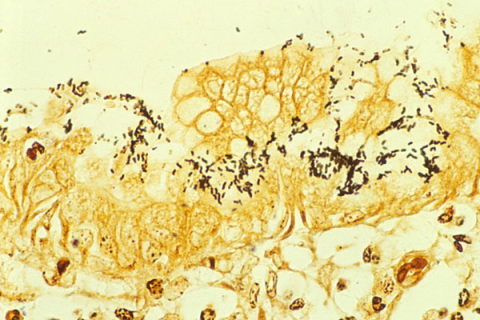
Infection with the bacterium Helicobacter pylori is a known risk factor for stomach cancer. Its link to colorectal cancer, however, remains an unconfirmed hypothesis. An international team has reviewed 43 studies on this subject and found that 22 per cent of colorectal cancer cases could potentially be linked to this infection, although when they selected the 14 most reliable studies, the figure fell to 12 per cent. According to the authors, exposure to Helicobacter pylori could be contributing significantly to the number of cases of colon cancer worldwide, but they point out that their study is only exploratory and that more robust research, such as clinical trials, is needed to establish a causal link. The results have been published in eGastroenterology.
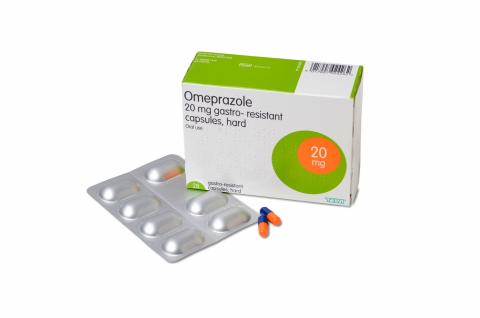
Several recent studies had concluded that the risk of gastric cancer doubled with the use of drugs such as omeprazole – proton pump inhibitors. A new study published in The BMJ states that there is no association between prolonged use of these drugs and the risk of gastric adenocarcinoma. The research used prospective data from registries in Denmark, Finland, Iceland, Norway, and Sweden between 1994 and 2020. The study included more than 17,000 patients with gastric adenocarcinoma (other than cardia cancer) who had been exposed to these drugs for more than one year.