Barcelona Institute for Global Health (ISGlobal)
If you are the contact person for this centre and you wish to make any changes, please contact us.
Predoctoral researcher at the Barcelona Institute for Global Health (ISGlobal) whose thesis deals with circadian disruption in part as a result of exposure to artificial light at night and its effects on human health
Assistant professor specialised in nutritional epidemiology and cardiovascular health at ISGlobal
Research professor and Head of the Malaria Immunology Group at the Barcelona Institute for Global Health (ISGlobal)
Head of Microbiology at Hospital Clínic in Barcelona, associate professor at the University of Barcelona, and researcher at ISGlobal Barcelona
Principal investigator of the Alzheimer's Prevention and Healthy Ageing Group at ISGlobal and chair of the Alzheimer's Association's Resilience, Resilience and Protective Factors Group
Researcher at ISGlobal and Inserm (France)
Research assistant professor of the Climate and Health programme at ISGlobal
Group Leader at the Institute of Health Research Pere Virgili (IISPV) and Associated Researcher at the Barcelona Institute for Global Health (ISGLOBAL)
Researcher at ISGlobal and Professor of Preventive Medicine and Public Health at the Universitat Pompeu Fabra in Barcelona
Director of the Urban Planning, Environment and Health Initiative, and head of ISGlobal's Air Pollution and Urban Environment programme
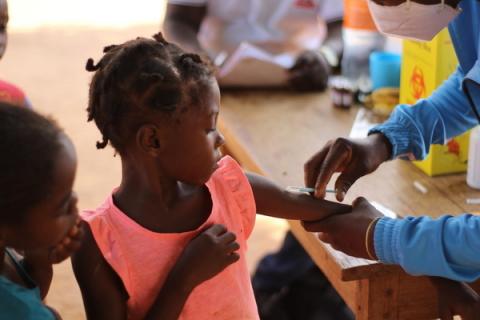
Según datos de la OMS y UNICEF, 25 millones de niños no han recibido sus vacunas contra la difteria, el tétanos y la tosferina (DTP) a nivel global. Se trata de la mayor caída continuada en cobertura vacunal en casi treinta años.
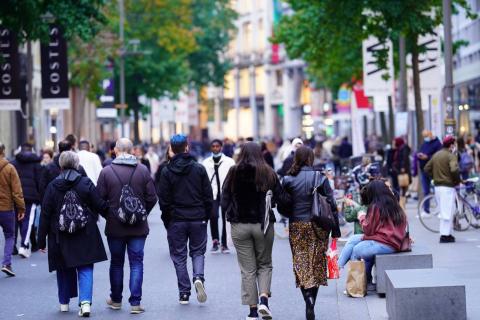
A review with meta-analysis published in the journal PLoS Medicine concludes that the percentage of asymptomatic people with covid-19 is lower, and that they are less contagious than those who are pre-symptomatic or symptomatic.

The Minister of Health, Carolina Darias, today announced that face masks will no longer be compulsory indoors after Easter. The measure will come into force on 20 April. It will continue to be compulsory in public transport, health centres and residences, but the final details of the new scenario are not yet known.
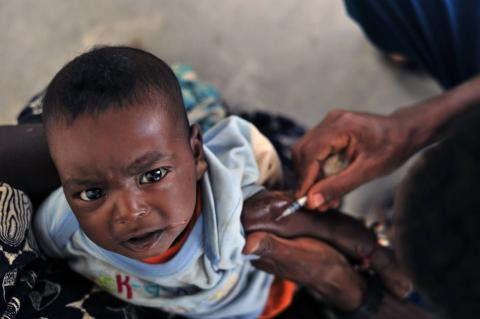
"Equity in the distribution of vaccines is not a matter of charity; it benefits all countries," said Tedros Adhanom, director of the WHO. However, his data speak of a very unequal distribution: more than 80 % of the vaccines have gone to G20 countries, while poor countries, mostly African, have received only 0.6 %. Three Spanish experts analyze what went wrong.