Paloma Llaneza

Paloma Llaneza

Paloma Llaneza
Position

Lawyer, systems auditor, security consultant, expert in the legal and regulatory aspects of the internet and CEO of Razona Legaltech, a technology consultancy firm specialising in digital identity


With Meta’s deal, the ones who stand to gain are the lawyers

This week, Mark Zuckerberg’s company has agreed to introduce measures to protect teenagers on Instagram and Facebook and to pay up to 18,000 million dollars to settle a lawsuit brought by dozens of US states. The response is far from unanimous among child welfare organisations, who believe that the measures are unlikely to protect young people, given that they can be overridden by parents, will only be monitored for five years and are, to a large extent, conditional on behaviour. With these measures, responsibility is shifted onto families: if children and teenagers remain hooked, it will be their fault.

1

A study claims that social media bans for teenagers lack evidence and may carry risks

A team from the University of California (USA) has published an article questioning the scientific evidence supporting bans on social media for teenagers. Among other reasons, they argue that studies conducted to date on restricting social media use have focused on adults. Furthermore, as one of the authors points out in a press release, these restriction experiments "show weak, negligible, and mixed effects, with 40% of experimental studies reporting harmful effects (e.g., lower life satisfaction and increased loneliness) or no effect from social media restrictions." Some of the authors, whose article is published in Frontiers in Developmental Psychology, declare having ties to companies in the social media industry.

0

Pedro Sánchez announces that Spain will ban children under 16 from accessing social media

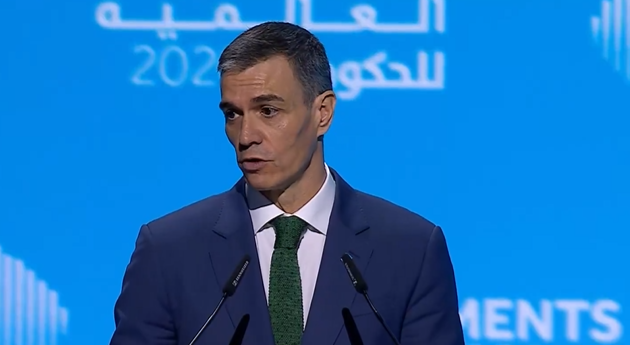
The Prime Minister, Pedro Sánchez, announced on Tuesday from Dubai that Spain will ban children under the age of 16 from accessing social media and will adopt other measures to increase control over digital platforms and ensure that their executives are held accountable for violations. Sánchez made this announcement in his speech to the plenary session of the World Government Summit and announced that next week the government will approve a series of measures, including this ban.


0

Reactions: EU institutions agree on artificial intelligence law

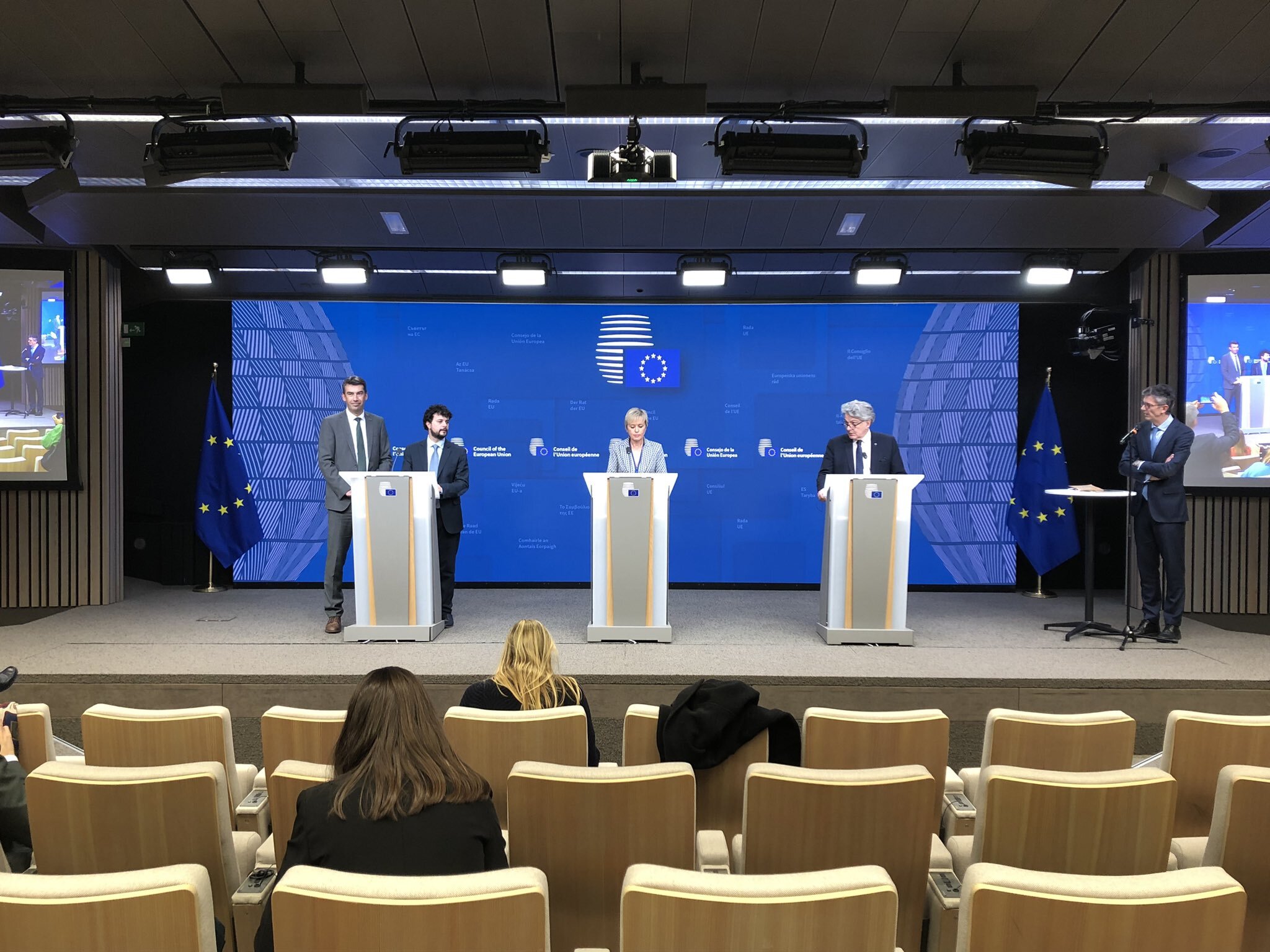
After lengthy negotiations, the European Commission, the European Parliament and the Council of the EU - which represents the member states - reached a provisional agreement last night on the content of the 'AI Act', the future law that will regulate the development of artificial intelligence in Europe, the first in the world. The agreement limits the use of biometric identification systems by security forces, includes rules for generative AI models such as ChatGPT and provides for fines of up to 35 million euros for those who violate the rules, among other measures. The text must now be formally adopted by the Parliament and Council before it becomes EU law.


0

Victims of artificial intelligence

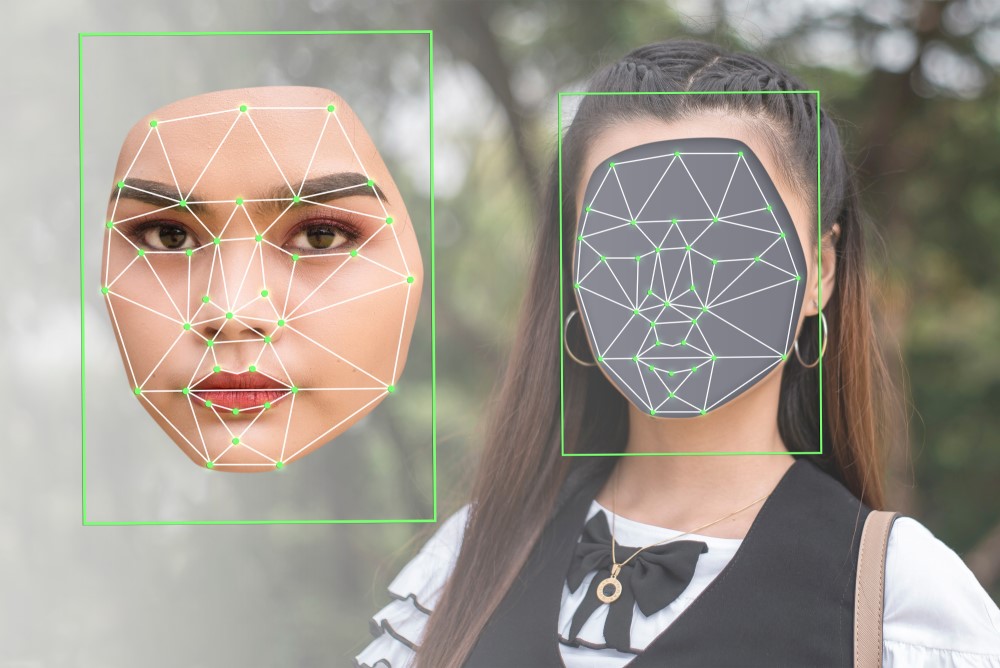
There are no criminal offences to punish synthetic pornography, plus we lack sufficient means to carry out forensic examinations of victims' and perpetrators' phones and staff to process these cases quickly. The law could limit these AI tools to professional and virtuous environments, only by known developers, and for products whose purposes don't violate public order or privacy, and aren't criminal; such measures would be more than enough.

1