Alejandro Cearreta

Alejandro Cearreta

Alejandro Cearreta
Position

Paleontologist at the University of the Basque Country UPV/EHU, director of the geology department and member of the former Anthropocene Working Group

A study places the beginning of the Anthropocene in 1952
The Anthropocene began around 1952, according to a study based on geological records from 137 sites around the world, published in PNAS. The term ‘Anthropocene’ describes the period in Earth's history when human activities have drastically altered the planet; in March, an international scientific body dismissed it as an official geological epoch.

0
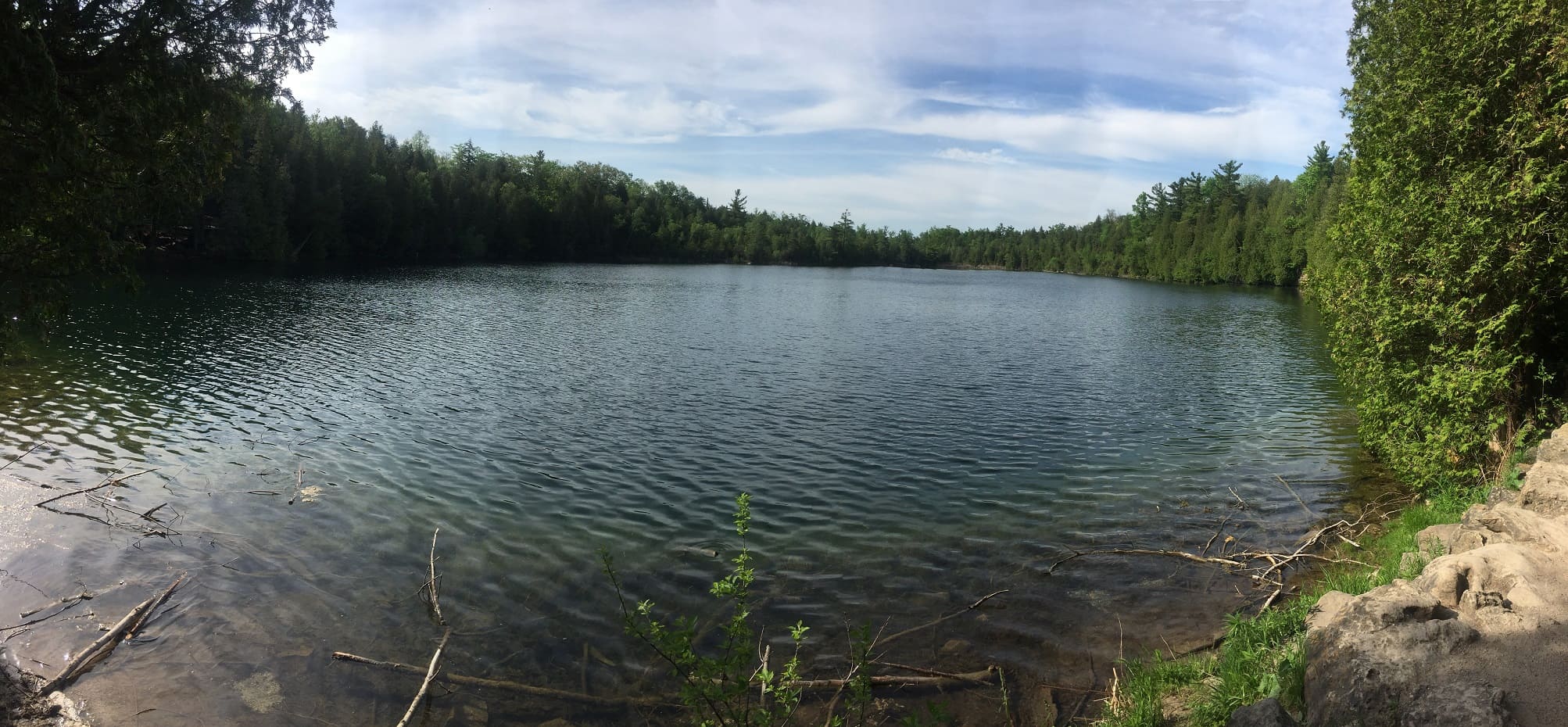
Reactions to the proposal of Crawford Lake in Canada as a geological reference site for the Anthropocene

The Anthropocene Working Group of the International Commission on Stratigraphy has  proposed Crawford Lake in Canada as a reference site for studying the Anthropocene as a possible geological epoch. This proposal for a Global boundary and Stratotype Section and Point (GSSP) was presented today at the International Congress of Stratigraphy in Lille, France. It is a necessary, but not sufficient step for the Anthropocene to enter the International Chronostratigraphic Table, the worldwide reference for geological units. Once approved by the AWG, this proposal has to go through three more votes in international geological bodies. 

0

Anthropocene: what it is and why it generates debate among scientists

The term Anthropocene describes the profound changes on Earth due to human activities in the past decades. The concept comes from geology but has spread to other areas and has sparked controversy within science. In this article, we provide some keys to understand what the Anthropocene is, and why there has been debate in recent days surrounding its possible declaration.  

0