Alberto Ortiz Lobo

Alberto Ortiz Lobo

Alberto Ortiz Lobo
Position

Doctor of Medicine and Psychiatrist at the Carlos III Day Hospital - La Paz University Hospital (Madrid)

A study compares the weight gain associated with different antidepressant medications

The use of the antidepressants escitalopram, paroxetine, and duloxetine is associated with greater weight gain than the use of sertraline, according to the results of an analysis comparing data from more than 183,000 adults treated with one of eight types of antidepressants. Among these, bupropion is associated with the least weight gain, concludes the study, which is published in Annals of Internal Medicine.

0

One in six people who stop taking antidepressants experience symptoms after stopping them

The Lancet Psychiatry publishes the first meta-analysis of the incidence of antidepressant treatment discontinuation symptoms that includes data from more than 20,000 patients collected from 79 randomised controlled trials and observational studies. The study sought to distinguish between symptoms directly caused by medication discontinuation and other ‘non-specific’ symptoms that may be associated with patient or professional expectations (the nocebo effect). The study concludes that one in six to seven patients will experience one or more symptoms directly caused by stopping medication, and one in 35 are likely to experience severe symptoms.  

0

A global consortium analyzes neuropsychiatric diseases cell by cell

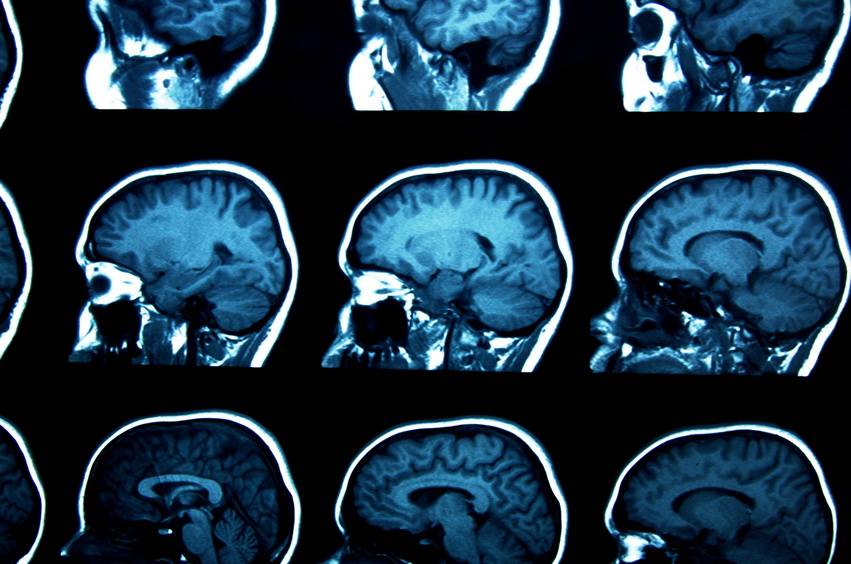
The PsychENCODE consortium, established in 2015 and dedicated to illuminating the molecular mechanisms underlying schizophrenia, bipolar disorder, and autism spectrum disorder, presents findings based on the examination of human brains at the cellular level. The studies are published today in the journals Science, Science Translational Medicine and Science Advances.

0

Children of people with mental disorders are more at risk of developing the same or other disorders

The largest meta-analysis to date that studies the risk of children of people with a mental disorder also suffering from some type of mental disorder during their lifetime has been published, with Spanish participation. According to the study, the risk is more than double that of the rest of the population. To explain the study and resolve any doubts that may arise, the Science Media Centre Spain organised an information session with one of the authors, psychiatrist Joaquim Raduà.

0

Reactions: Research finds that children of people with mental disorders are at increased risk of developing these and other disorders

An international team, led by the Hospital Clínic-IDIBAPS in Barcelona together with King's College London (UK) and Dalhousie University (Canada), has published the largest meta-analysis to date studying the risk of children of people with mental disorders developing the same, or another type of disorder. The study included more than three million children of parents with different types of disorders and more than 20 million people as a control population. The results, published in the journal World Psychiatry, indicate that, overall, the former have a 1.5 to 3 times higher risk of developing a disorder in their lifetime. According to the authors, in the case of bipolar, depressive or anxiety disorders, the risk of their offspring suffering from some type of disorder is more than 50%.


0

Reactions to the phase 1 clinical trial studying the use of the hallucinogen psilocybin for anorexia

A phase 1 clinical trial has tested the use of psilocybin to treat anorexia nervosa. Ten women with the disorder were given 25 milligrams of the hallucinogen along with psychological support. The results show that the treatment is safe and tolerable. Four patients showed an improvement, but the authors acknowledge that, because of the small sample size and the absence of a control group, "the results are preliminary and further research is needed". The results are published in the journal Nature Medicine.

0

Reactions: 30 researchers challenge study questioning the hypothesis that low serotonin levels cause depression, published last year

A commentary published last Friday in the journal Molecular Psychiatry, signed by more than 30 researchers, challenges the conclusions of the systematic review published in the same journal in July 2022, in which the authors concluded that there was no evidence that low serotonin levels cause depression. The researchers in the new paper blame the earlier study for flaws in methodology, among other weaknesses.

0