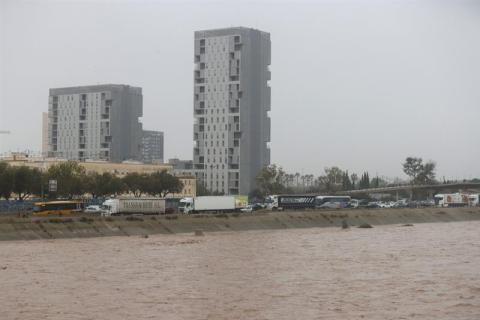
A "dead end" effect increases the likelihood of flooding in the Mediterranean
An Italian team has studied the factors that are increasing the frequency of massive floods in the Mediterranean region. According to their analysis, and in a context of climate change, a “dead end” effect is occurring in which mountains close to the sea block moisture and “trap” rain over the region. The article focuses on the floods suffered by the Emilia-Romagna region (Italy), but according to the authors, other Mediterranean areas with a similar geography, including Valencia and Catalonia, “could face the same risks and these events could become more frequent as the climate continues to change.” The results are published in Scientific Reports.
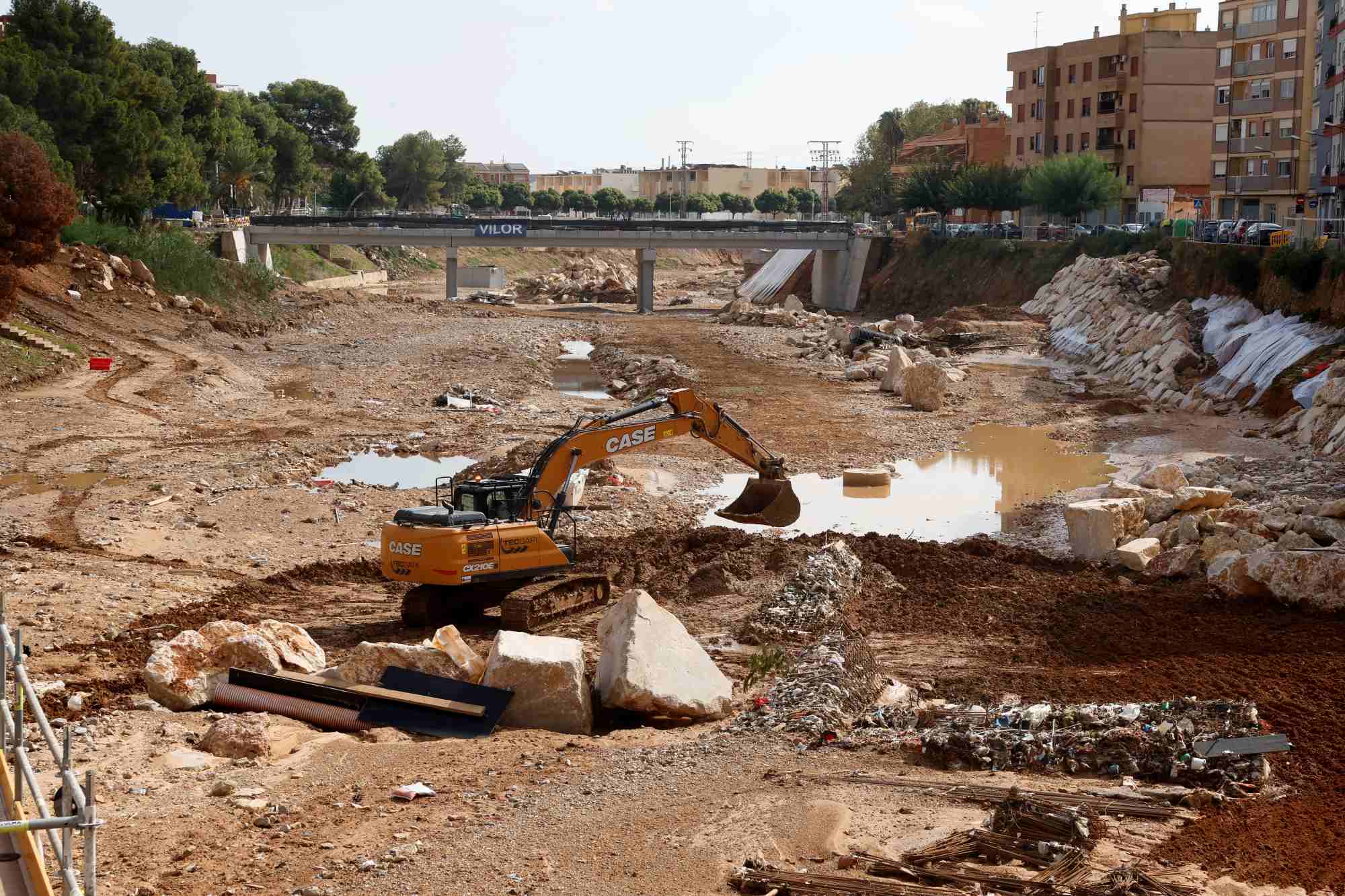
The dozens of riverbeds and ravines through which the floods of October 29th flowed remain one of the most obvious signs of the magnitude of the tragedy and devastation. EFE/Chema Moya.
Markus - Cul (EN)
Markus Donat
ICREA Research Professor, Climate Variability and Change Group Co-Leader
The study adds to our scientific understanding of how climate change increases the risk of severe flooding. On the one hand, a warmer atmosphere can retain more water, increasing precipitation amounts in heavy downpours. On the other hand, there is a tendency for atmospheric circulation during the summer to become more stationary.
This causes weather systems to remain in the same place for longer and, in the case of precipitation events, causes more rain to fall in the same area rather than distributed over wider regions. Both factors must be taken into account when preparing for future flood risk.
Scoccimarro et al.
- Research article
- Peer reviewed