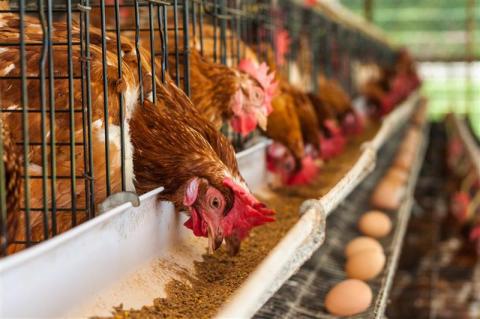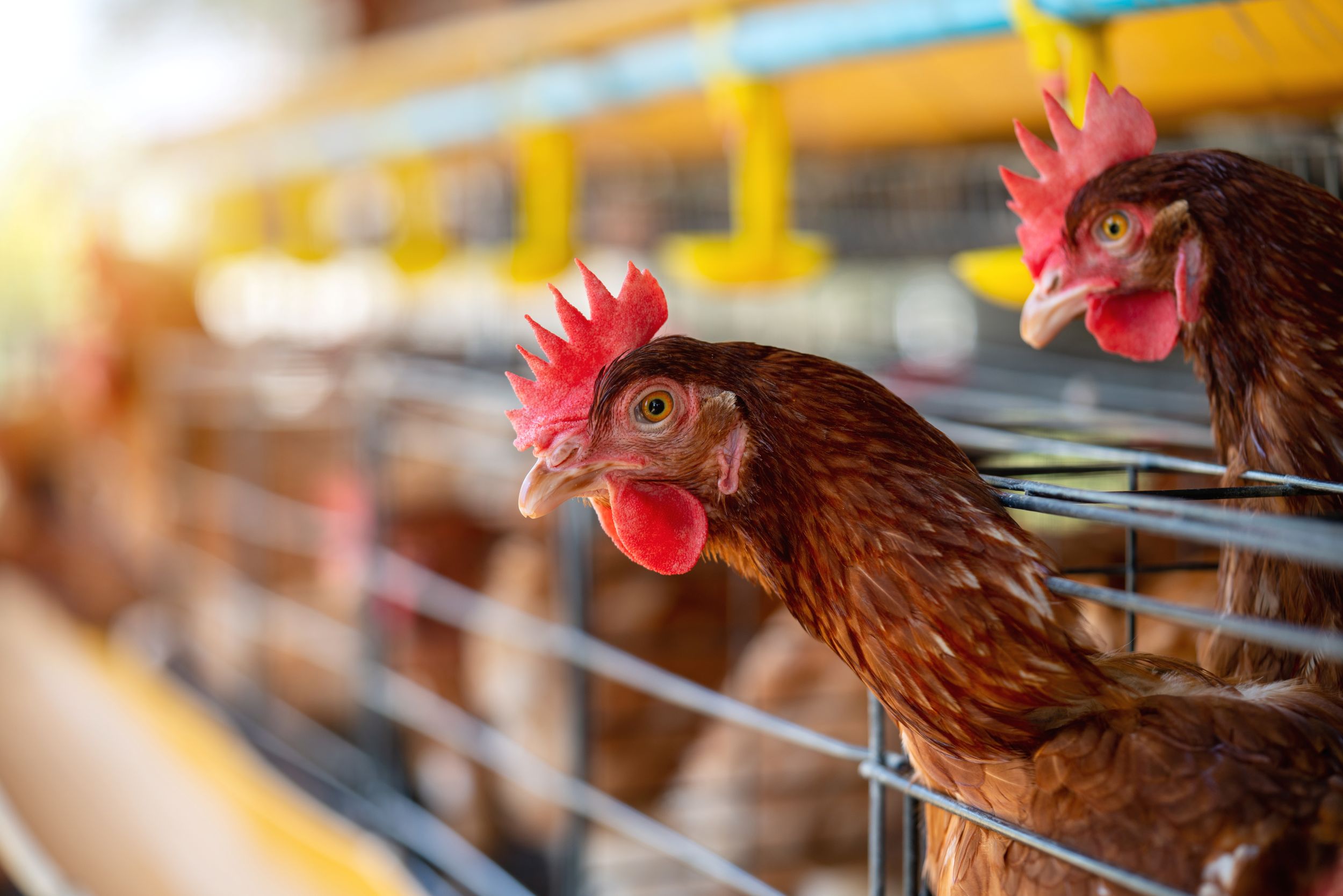
Since March 2023, Spain had not recorded any cases of avian influenza in domestic birds, which had allowed it to maintain its disease-free status. However, on 18 July this year, an outbreak was declared at a turkey farm in Badajoz, causing it to lose that status. Since then, three more outbreaks have been confirmed in different autonomous communities (Castilla-La Mancha and Andalusia), another suspected case in Huelva is pending confirmation, an outbreak in captive birds in the Basque Country has been detected, and a total of 31 outbreaks in wild birds have been detected in several autonomous communities, according to the latest report from the Ministry of Agriculture, Fisheries and Food, for example, in the Doñana Natural Area. Why is this situation occurring?
For Ursula Höfle, associate professor and member of the SaBio Group at the Institute for Game and Wildlife Research IREC (CSIC-UCLM-JCCM), it is not surprising, as "this is a period when Spain receives birds on their migratory route from northern Europe, which is combined with the fact that there is little water and they are concentrated in a few areas. In addition, many are young birds with little immune protection. It's a perfect storm," she explained at a briefing organised by SMC Spain. It may have arrived earlier than expected, but it is logical that the situation will continue, said Elisa Pérez Ramírez, a researcher in the Department of Infectious Diseases and Global Health at the Centre for Research in Animal Health CISA-INIA, CSIC. ‘We are likely to continue to see outbreaks in wild birds. What we must do is prevent them from spreading to poultry or domestic birds, which can happen through direct or indirect contact. Safety is very high, but sometimes contagion can occur through contaminated water or feed,’ added the expert.
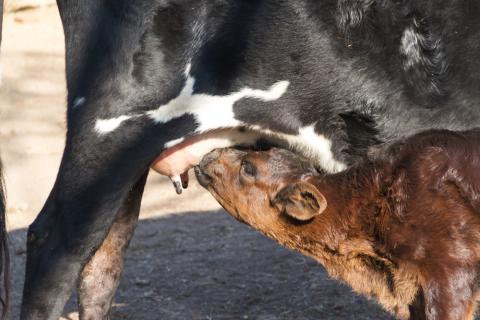
Have any changes been detected in the virus? Höfle acknowledged that recent sequences have yet to be analysed and ‘it is difficult to predict what will happen’. One of the dangers for humans is that it may begin to infect animals such as pigs, ‘which are susceptible to swine and human influenza, which would allow for rearrangements’ and facilitate possible adaptation and transmission between humans, explained Pérez Ramírez. ‘In wild boars, which are close relatives of pigs, we have not seen any impact,’ added the IREC scientist. However, ‘in the last year there has been an increase in the number of infected mammal species, from 50 to 78, mainly wild animals,’ warned Pérez Ramírez, for whom the million-dollar question is why cows in the United States were infected without this happening anywhere else in the world. ‘We still don't know the reason,’ she acknowledged.
How surveillance systems work
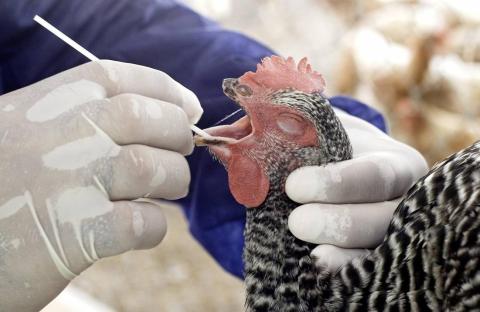
When asked about surveillance systems, the CISA-INIA researcher explained that in birds, active methods – which analyse apparently healthy animals – are combined with passive methods – after detecting signs or symptoms of the disease. ‘It is very important to continue investing a lot of effort in seeing what is circulating in wild birds, because it gives us a lot of information to know what we have to prepare for in order to protect our poultry system,’ she stressed. Active surveillance is very expensive and consumes a lot of resources, so it needs to be made cost-efficient. In pigs or cows, ‘it is only passive, but if no cases have been detected in Europe, that is already a first step,’ said Pérez Ramírez.
The experts emphasised the recommendation to the public not to touch dead birds and, if any suspicious specimens are found, to notify the municipal or regional environmental and animal health services so that they can take charge.
With regard to humans, Inmaculada Casas, director of the Respiratory Viruses and Influenza Research Group at the Carlos III Health Institute, pointed out that ‘influenza surveillance systems are well established and there is a great deal of experience in trying to control and prevent the jump from birds or mammals to humans’.
‘Influenza surveillance systems are well established, and there is extensive experience in attempting to control and prevent the spread between birds or mammals and humans’
Inmaculada Casas
Right now, ‘avian flu in humans is an occupational disease, affecting workers who are in contact with sick birds and who may have high exposure to the virus. So far, all cases are due to direct transmission from a bird. For human-to-human transmission to occur, the virus would have to change significantly, and that has not happened yet,’ Casas pointed out.
In fact, when people say that the virus is one mutation away from being able to infect and transmit between humans, it is ‘a somewhat poorly explained concept,’ according to Casas. In reality, ‘there has to be an adaptation of all the virus's production mechanisms to mammalian cells, which are slightly different from avian cells. That has not yet happened.’
‘A major problem arises when a human being contracts avian flu and is infected with a seasonal flu virus that is specific to us. In that case, the human would act as a cocktail shaker. That is why one of the most important recommendations to prevent the virus from spreading is to vaccinate farm workers and people who are at occupational risk against the flu,’ the researcher stressed. She also explained that a specific vaccine for avian flu already exists ‘in case it is needed if there is an epidemic or a large outbreak in a country, pending the selection of the specific virus that is spreading.’ But ‘the cut-off point for using it will be if effective human-to-human transmission occurs.’
The serious impact on the animal world
For his part, Pérez Ramírez recalled: "Although there is a risk of transmission to humans, this is currently an animal disease with an enormous impact, both economically and emotionally. When a case of a highly pathogenic virus is detected, all the animals on the farm must be culled, which means that millions of birds have had to be culled worldwide in recent years. It also has an impact on the ecosystem and biodiversity. We should abandon our anthropocentric view a little and think not about what might happen, but about what is already happening.‘
For Höfle, ’it is very difficult to put numbers on this tragedy, because the dead animals detected are just the tip of the iceberg. Many are not found or are consumed, and the impact of these deaths has a cascading effect on the ecosystem.‘ ’One of the things I ask in interviews is that wild birds not be vilified, because they are victims, just as production birds or we ourselves can be," he concluded.